Brand Storytelling Sells More Products

Your countertop displays can do more than just hold products. An effective brand storytelling strategy transforms your display into a powerful sales tool. This strategy creates an emotional connection at the crucial point of purchase. You turn a simple transaction into a memorable brand experience. This approach is vital in high-traffic locations. Your display must capture attention at busy checkout stations. The right story at checkout can make all the difference in a competitive retail environment. This retail strategy is proven to work.
Effective Brand Storytelling on Your Countertop
You can transform your countertop displays into powerful storytellers. A successful display does more than hold inventory. It tells a compelling story that connects with shoppers at the final point of decision. This in-store marketing strategy hinges on three core principles. You must capture attention, communicate value, and create an emotional bond. Mastering these elements turns a simple retail fixture into a sales-driving machine.
Capture Attention Instantly
You have less than three seconds to grab a shopper’s attention. Your display must create immediate visibility in a crowded retail space. This is the hook of your brand storytelling. Use bold graphics and compelling taglines to make an instant impact. The physical shape of your display is also a creative tool for boosting visibility. Forget standard boxes. Think about unique countertop racks and sculptural forms that stop customers in their tracks.
- A cosmetics brand increases visibility with a clear acrylic display. Built-in lighting highlights the products against a patterned fabric back panel.
- A snack company uses a multi-tiered bamboo display. The creative material supports its eco-friendly branding and stands out.
Some brands even turn their retail counters into art. Harley-Davidson builds memorable branded counters that enhance the in-store experience and drive sales. Your display can use sweeping arches or curved forms to create visual interest and guide shopper traffic. Research shows that rounded fixtures can even lead to a higher purchase rate. This creative approach ensures your display achieves maximum visibility and consumer attention.
Communicate Value Clearly
Once you have a shopper's attention, you must deliver your message quickly. Your display needs to communicate your product’s unique selling proposition with absolute clarity. This is not the place for long paragraphs. Your merchandising strategy should focus on concise, powerful messaging that answers the customer’s silent question: “Why should I buy this?”
Pro Tip: Your core message should be digestible in a single glance. Limit your main tagline to five to seven powerful words. This ensures your point gets across before the impulse fades.
Highlight what makes your product special. Use short phrases that resonate instantly.
Organic IngredientsQuick Energy BoostPremium Quality
This direct communication builds on your initial branding and guides the customer toward a confident purchase. A clear message at the point of sale is a critical part of an effective retail strategy.
Evoke an Emotional Connection
Facts tell, but emotions sell. The final piece of your brand storytelling is to create an emotional reason to buy. This is where you transform a transaction into a memorable customer experience. You can achieve this through powerful imagery and smart color psychology. This is the key to driving engagement and impulse sales.
Aspirational imagery allows customers to see themselves using your product. You are not just selling an item; you are selling an experience or a solution.
- Nike uses dynamic images of athletes on its displays. This visual merchandising conveys a message of performance and inspiration.
- Coca-Cola’s 'Share a Coke' campaign turned a simple product into a social experience. It created a personal connection and a unique consumer experience.
Color is your most powerful tool for influencing emotion and perception. A consumer often judges a product within 90 seconds, and up to 90% of that judgment is based on color alone. The right colors set the mood, reinforce your branding, and make your products pop. For example, green suggests nature for an organic snack, while red can imply the sweetness of candy. This creative visual merchandising strategy makes your display more appealing and can make the product seem higher quality.
You can use established color schemes in your visual merchandising to create a specific effect.
| Color Scheme | Description | Effect |
|---|---|---|
| Analogous | Colors next to each other on the color wheel. | Creates a harmonious and visually pleasing display. |
| Complementary | Colors opposite each other on the color wheel. | Creates high contrast and makes key elements stand out. |
| Monochromatic | Different shades and tones of a single color. | Creates a sophisticated and relaxing customer experience. |
Each color also carries its own emotional weight. Understanding these associations helps you build the right story for your display.
- Red: Excitement, Action, Power
- Green: Nature, Growth, Stability
- Blue: Calm, Trust, Serenity
- Purple: Luxury, Royalty, Reflection
By combining compelling images with a deliberate color strategy, you create a powerful emotional connection. This final step completes your story, turning a passive looker into an active buyer and fostering long-term engagement.
Tailoring Your Story for Different Retailers
A powerful countertop display is not a one-size-fits-all solution. You must adapt your brand story to fit the unique environment of each retail channel. The customer mindset in a supermarket is vastly different from one in a convenience store or a specialty tobacco shop. A successful in-store marketing strategy requires you to tailor your visual merchandising to meet specific shopper expectations at the point of purchase. This targeted approach ensures your message resonates and drives sales.
Supermarkets: Quality and Trust
You can capitalize on the high potential for an impulse purchase at the supermarket checkout. Studies show that around 87% of shoppers make an impulse purchase in this setting. Your display is the final opportunity to capture their attention. Your creative strategy should focus on building trust and communicating quality. Shoppers may be looking for healthy options, organic ingredients, or a trustworthy family brand. Your display must tell this story clearly.
Use clean designs and natural materials to suggest freshness and quality. A display for organic snacks, for example, could use unfinished wood or be shaped like a small barn. This creative visual merchandising connects the product to nature. Your endcap display can also tell a story of value. An impulse is often triggered by a good deal, so your design should make promotions easy to see.
Did You Know? Over half of all groceries bought are impulse buys. Your endcap display at the front of an aisle or a small unit at the checkout counter is prime retail real estate for capturing that final sale.
Convenience Stores: Speed and Impulse
The convenience store is the ultimate environment for the impulse buy. Customers are in a hurry. They want quick solutions and immediate gratification. Your retail display must cut through the noise with a story of speed and satisfaction. This is where you use bold, dynamic designs to create an unmissable focal point in high-traffic locations.
Your visual merchandising should scream energy and excitement.
- Use Warm Colors: You can use colors like red, orange, and yellow to create a sense of urgency. Red is known to increase heart rate, making it perfect for driving an impulse purchase. Orange and yellow generate enthusiasm and are excellent for grabbing attention.
- Embrace Dynamic Shapes: Forget a standard box. You can design creative themed pop-up racks that tell your story instantly. A lightning-bolt-shaped cardboard display for an energy drink communicates "quick energy" before a customer even reads a word.
- Group for Impact: Arrange products in groups of three. This simple merchandising trick, known as the 'rule of three', is visually appealing and helps the consumer process information quickly.
Your goal in this retail environment is to make the decision to purchase fast and easy. Your themed pop-up racks should be a beacon of impulse, promising a quick and satisfying experience.
Tobacco Retail: Lifestyle and Sophistication
In a specialty tobacco or vape shop, the sales narrative shifts from impulse to identity. Your customer is not just buying a product; they are investing in a lifestyle. Your story must reflect sophistication, heritage, or modern craftsmanship. The materials of your retail display racks play a central role in telling this story.
Premium materials communicate premium quality.
- Wood can evoke a sense of tradition and heritage.
- Metal offers a sleek, industrial, and modern feel.
- Sleek acrylic on countertop racks creates a clean, minimalist, and high-tech point of view.
These retail display racks are more than just product holders; they are part of the store's atmosphere and the brand's identity. The right display enhances the overall customer experience and reinforces the consumer's choice. Your merchandising here is less about a quick sale and more about building a lasting connection to the brand's story.
Measuring Your Display's Success
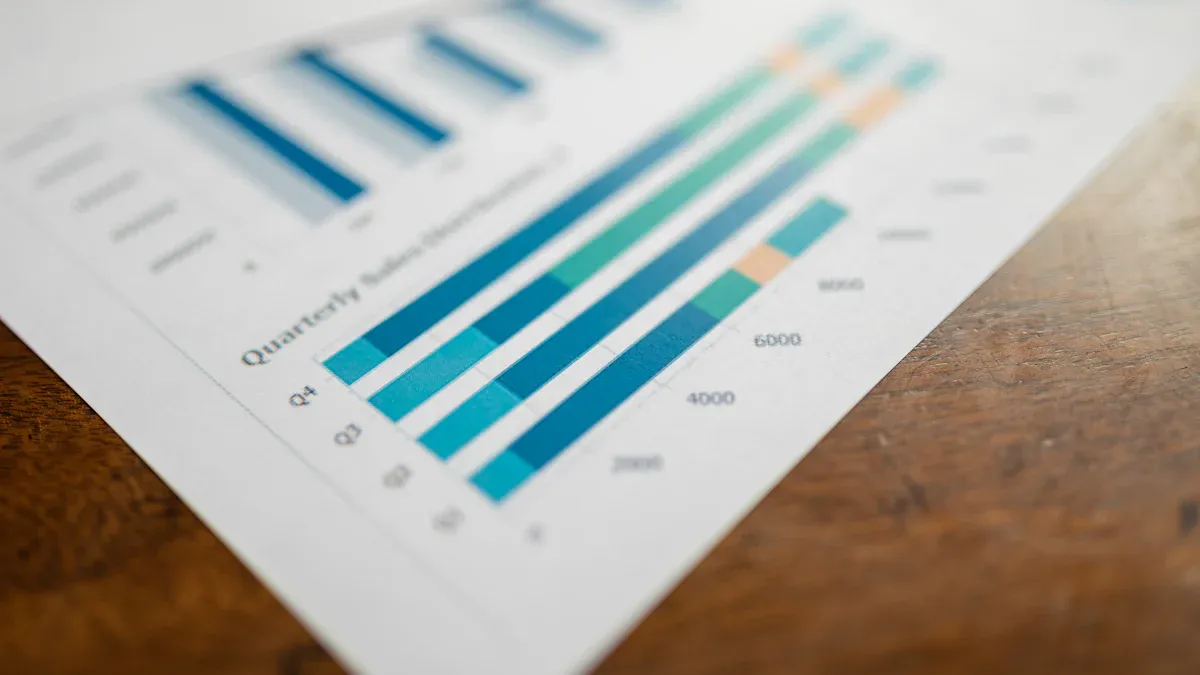
A creative display is only as good as the results it delivers. You must measure the success of your visual merchandising to justify the investment. A data-driven strategy allows you to refine your approach and maximize your return. Tracking performance turns your retail display from a simple fixture into a predictable sales engine. This process helps you understand what truly drives an impulse purchase.
Track the Sales Lift
The most direct way to measure your display's impact is by tracking key performance indicators (KPIs). You need to quantify the increase in sales directly linked to your new visual merchandising. This data proves the value of your creative strategy. You can compare sales from a period with the display to a period without it. This shows a clear sales lift.
You should also monitor these metrics:
- Conversion Rate: This shows you the percentage of shoppers who make a purchase after seeing your display.
- Customer Engagement: You can track how long customers look at the display. This reveals if your creative design is holding their attention.
- Average Transaction Value: This tells you if the display encourages customers to spend more per purchase. A higher value shows your story is driving a strong impulse.
Gather Qualitative Feedback
Numbers tell part of the story, but you also need to understand the "why" behind customer behavior. Gathering qualitative feedback gives you deep insights into the customer experience. You can learn what shoppers feel when they interact with your retail display. You can observe customers in the retail environment to see how they approach and touch your products. This helps you refine your display layout. Simple surveys also provide valuable data on what drives an impulse.
You can ask direct questions to gauge emotional response. For example, ask shoppers: "What three words best describe your feelings towards this brand?" or "What emotions do you feel when you see this display?" This feedback helps you build a stronger connection and drive the next impulse purchase.
A/B Test Your Designs
You can continuously improve your results through A/B testing. This method involves creating two versions of your display and comparing their performance. This creative process helps you identify which elements have the biggest impact on sales. You can test different variables to see what best triggers an impulse. For instance, you might test an urgent call to action like "Buy Now" against a softer one like "Try It Today." You can also experiment with different color schemes, typography, or even the physical shape of the display to see what captures the most attention and leads to a purchase. This testing strategy ensures your visual merchandising is always optimized for the best possible outcome.
Your countertop displays are more than just retail fixtures; they are a vital point for brand storytelling. A great point of purchase display uses a clear strategy to improve the customer experience. You can boost revenue by capturing attention, showing value, and creating an emotional connection. This strategy transforms your display into a sales driver.
Ready to improve your customer experience? You can re-evaluate your countertop racks and retail display with these steps:
- Assess Needs: Pinpoint issues like slow checkouts.
- Choose Technologies: Select features that meet your goals.
- Customize Design: Align the display with your brand.
- Plan Installation: Schedule setup during quiet hours.
- Train Staff: Teach your team about new functions.
- Monitor Performance: Track sales to measure success.
This approach to brand storytelling will transform your retail point of sale.
FAQ
How do I start designing a storytelling display?
You should define your core message first. Identify the single most important idea you want to communicate. Your entire retail display design will flow from this central story. A clear message makes your display effective. This display strategy works.
What is the most important element of a retail display?
A strong emotional connection is the most vital element. Your display must make a shopper feel something. This emotional hook turns a passive looker into an active buyer. Your retail display should create this bond quickly at the checkout counter.
Can a small budget create an effective display?
Yes, creativity matters more than cost. You can use clever cardboard engineering and bold graphics for your display. A unique shape or a powerful tagline on a simple display can be very effective. A smart display design will always outperform an expensive, uninspired display.
Tip: Focus your budget on one standout feature for your display. This could be a unique material, a striking color on the display, or a compelling image. This makes your retail display memorable.
How often should you update your retail display?
You should update your display for seasonal changes or new promotions. A fresh display keeps the consumer experience interesting. You can also test a new display design every quarter. This helps you learn what works best for your display.