Rethink Brand Storytelling on Counters

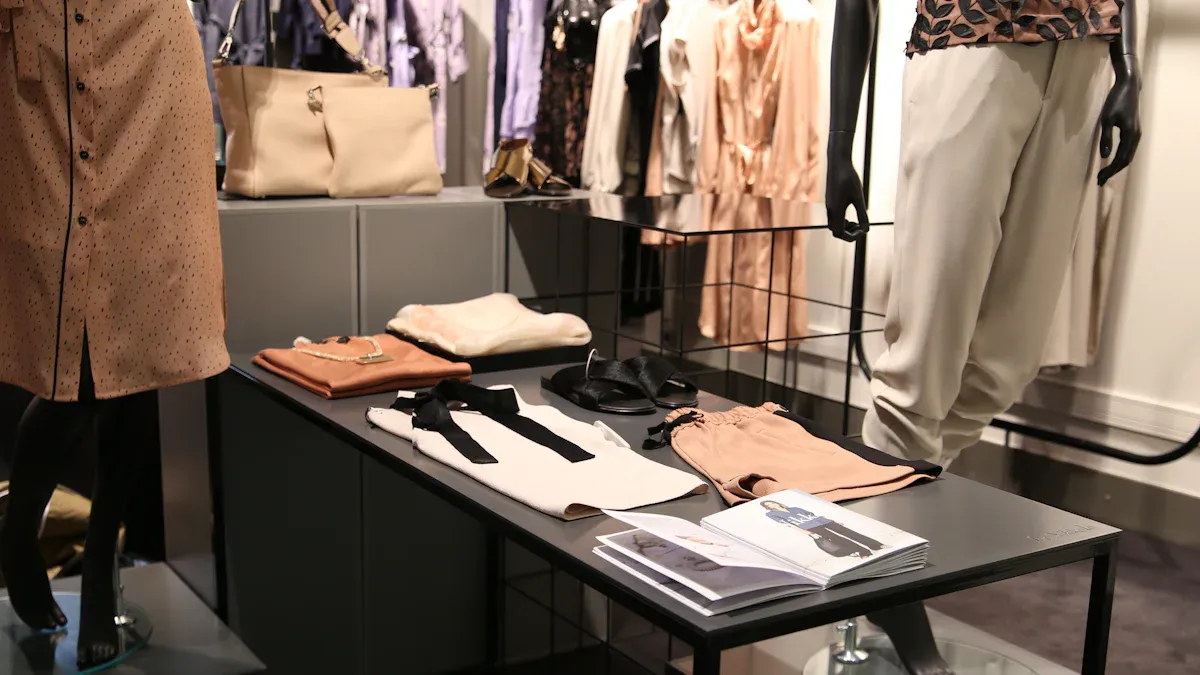
You transform simple counter displays into powerful brand storytelling tools. Merge a core story with sensory design and interactive features on your display.
Your customers make buying decisions in-store. Reports show that between 37% and 55% of shoppers prefer buying beauty and cosmetics products in person.
This guide helps you turn compact point-of-purchase displays into an immersive brand experience. Create captivating countertop displays that build your brand and drive sales.
MASTER YOUR BRAND STORYTELLING
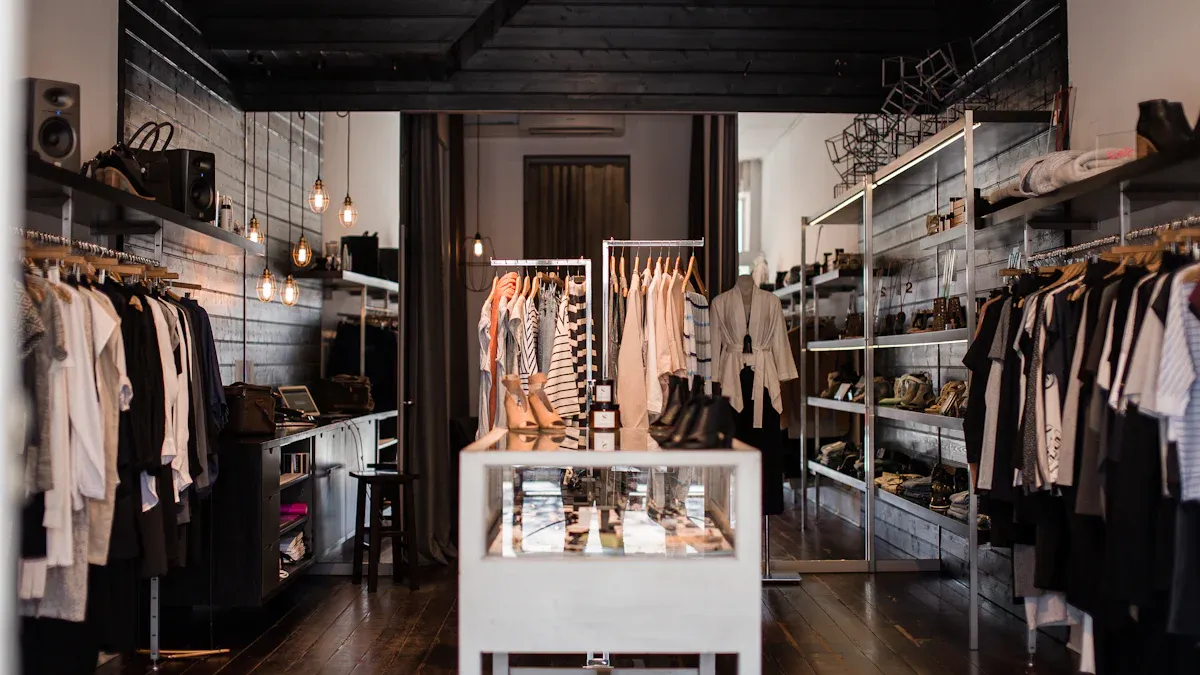
Your countertop is a stage, but it only has room for one main act. Effective brand storytelling requires you to choose a single, powerful message that defines the entire experience. Cluttering your message confuses customers and dilutes your impact. You must select one core idea and build your entire narrative around it.
IDENTIFY YOUR CORE PILLAR
First, you need to define your central theme. Are you a science-backed innovator, a champion of sustainability, or a leader in inclusivity? Brands like Nike build entire campaigns around empowerment (Dream Crazier), while Dior focuses on product diversity (67 Shades of Dior). Your pillar becomes the filter for every design choice.
If inclusivity is your pillar, you can demonstrate it through:
- Accessible Pricing: Use clear signage to show value, like brands The Ordinary and E.l.f. do.
- Inclusive Shade Ranges: Go beyond tokenism by offering a wide variety of shades and undertones.
- Gender-Fluid Products: Focus on product function rather than targeting a specific gender.
- Rejecting 'Anti-Aging': Shift your language to focus on "aging well" to embrace all life stages.
MAP THE CUSTOMER JOURNEY
Next, you will design the visual flow of the display. Your goal is to guide a customer’s eye on a specific path, telling a story from the hero product to supporting items. Use visual hierarchy to control where they look first, second, and third.
Create a clear focal point. Place your most important product at eye level and use lighting, color, and negative space to make it the star. Arrange complementary products around it to tell a story of a complete routine or an enhanced benefit.
This deliberate arrangement turns a simple product layout into a guided experience. You control the narrative from the moment a customer glances at your products.
ALIGN WITH CAMPAIGN GOALS
Finally, your brand storytelling must serve a clear business objective. Whether you are launching a new product or running a seasonal promotion, your point-of-purchase displays must directly support that goal. The design should communicate the campaign’s core message instantly.
Successful brands align their campaigns with a single, compelling theme.
| Brand | Core Pillar/Theme |
|---|---|
| Dior | Product diversity ('67 Shades of Dior') |
| Absolut | Environmental values (#AbsolutPlanet) |
| Nike | Empowerment ('Dream Crazier') |
| Glossier | Leveraging loyal customers (#GlossierRep) |
This focus ensures your display not only captures attention but also drives specific actions, like increasing sales lift or boosting conversion rates for a new launch.
DESIGN THE SENSORY EXPERIENCE
Your brand story is not just what you say; it is what your customers feel. You must design a sensory experience that makes your brand ethos tangible. A study from Mood Media confirms this, showing 90% of shoppers are more likely to revisit a store if the atmosphere is enjoyable. You can engage multiple senses to create a memorable and immersive shopping journey. Brands like Lush Cosmetics master this by allowing customers to touch, smell, and see their products in action, turning a simple counter into a playground for the senses.
CHOOSE YOUR MATERIALS
You communicate your brand’s values the moment a customer touches your display. The materials you choose for your display's packaging are a powerful form of non-verbal storytelling. A Nielsen study found that 73% of consumers are willing to change habits to reduce their environmental impact. You can tap into this by choosing materials that reflect your core pillar.
- Eco-Conscious: Use reclaimed wood or sustainable cardboard. These materials signal authenticity and environmental responsibility, building trust with your audience.
- Science-Backed: Choose sleek acrylic or polished metal. These materials convey innovation, precision, and a clean, clinical feel.
- Natural & Wellness: Opt for light woods like birch or bamboo. Their warmth and tactile nature evoke a sense of organic, wholesome
beauty. - Ultimate
Luxury: Select stone, marble, or polished brass. These materials suggest permanence and high value, elevating your products into objects of desire. The right material transforms your displaypackaginginto a statement ofluxury.
USE COLOR AND LIGHT
You use color and light to direct attention and set the mood. Color creates an instant emotional connection, while light ensures your products look their absolute best. Strategic lighting transforms a functional display into an eye-catching focal point that enhances the appeal of your beauty products.
Use accent lighting to spotlight your hero products. This technique draws immediate attention to key items and guides the customer’s eye exactly where you want it to go.
For beauty brands, accurate color is non-negotiable. You must use lighting with a high Color Rendering Index (CRI) to show true-to-life shades. A low CRI can make foundation and eyeshadow colors appear completely different in natural daylight, leading to customer dissatisfaction.
| CRI Range | Description | Best For Your Display |
|---|---|---|
| 90–100 | Excellent | ✅ Ideal for makeup. Displays color just like natural daylight. |
| 80–89 | Good | Usable, but subtle color differences may be lost. |
| Below 80 | Poor | ❌ Avoid. Distorts colors and misrepresents your products. |
Pair a high CRI light with a neutral color temperature (5000K–6500K) to mimic daylight. This ensures your packaging and products are seen in their best, most accurate light, giving customers the confidence to make a purchase.
ELEVATE WITH LUXURY DETAILS
You can elevate your display from standard to stunning with fine details. These finishing touches communicate a sense of luxury and meticulous craftsmanship. They show customers you care about every aspect of their experience. For luxury goods, the quality of the display packaging must match the quality of the product.
Consider these luxury details for your next display:
- Metallic Accents: Integrate gold, silver, or rose gold foil stamping into your graphics or display structure. These elements catch the light and add a touch of glamour to the
packaging. - Custom Textures: Use embossing or debossing on logos and patterns. This adds physical depth to the
packaging, inviting customers to touch the display and creating a memorable tactile experience. - Premium Finishes: Apply a soft-touch or matte finish to surfaces. A velvety feel on the
packagingconveys sophistication and modernluxury.
These details are especially critical for high-value items like a new fragrance launch. The right finish on the packaging can make a fragrance bottle feel like a piece of art, justifying a premium price point. You are not just selling a product; you are selling an experience of luxury. This is how you define your luxury beauty brand. The packaging for these luxury goods must feel as special as the product inside.
INTEGRATE BRANDED GRAPHICS
You tell your story visually with graphics, but you must avoid clutter. On a small countertop, less is more. Your goal is to use graphics to support the product, not overwhelm it. Adopt a minimalist approach to let your products shine.
Use these principles to create clean, effective graphics:
- Embrace Negative Space: Give your products room to breathe. Ample space around items prevents a crowded look and draws the eye toward your hero product.
- Use a Limited Color Palette: Stick to a few key brand colors. This creates a cohesive look and allows the colors of your products and
packagingto stand out. - Choose Clear Typography: Your text must be readable from a distance. Use a simple, bold font for headlines and ensure body copy has enough contrast against its background.
- Tell a Story Simply: Use one powerful image or a few concise words. Huda
Beautycreated an entire sci-fi world for a product launch with shimmering fixtures and mirrored surfaces, proving a theme can be immersive without being messy. Your graphics andpackagingshould work together to communicate one clear idea. This creates a sense of harmony andluxury.
CREATE AN INTERACTIVE NARRATIVE
You can transform your static display into a dynamic conversation. Interactive elements invite customers to engage directly with your brand story, turning passive browsing into active discovery. This hands-on approach deepens their connection to your products and brand ethos.
USE DIGITAL SCREENS
You should incorporate small digital screens to capture attention and deliver rich content. Nearly half of all shoppers report that digital display technology influences their purchase decisions. You can use these screens to showcase dynamic content that a printed card cannot.
- Show, Don't Just Tell: Display quick tutorials on how to use a new beauty product.
- Build Social Proof: Feature user-generated content from social media.
- Tell Your Story: Play a short video about your brand’s mission or the sourcing of key ingredients.
Digital displays give you a powerful advantage. Retailers using them have seen sales boosts of up to 32%. This technology makes your counter a must-see destination, drawing customers in with vibrant, moving visuals that highlight your product packaging.
ADD QR CODES
You can bridge the physical and digital worlds with a simple QR code. A QR code on your display packaging acts as a gateway to endless storytelling possibilities. It empowers curious customers to dive deeper into your brand universe with a quick scan of their phone.
Link your QR codes to exclusive content:
- Virtual Try-On Tools: Let customers experiment with makeup shades virtually, just as Sephora does with its AR tools. This boosts confidence and reduces hesitation.
- Founder's Story: Share a personal video from your founder to build an authentic connection.
- Complete the Look: Guide users to a page showing how the hero product works with other items in your beauty line.
This strategy extends the narrative beyond the counter, making the product packaging a key to unlocking a richer brand experience.
TRY LIFT-AND-LEARN TECH
You can create a truly magical experience with lift-and-learn technology. This system uses sensors to detect when a customer picks up a product. The action instantly triggers related content on a nearby screen. Imagine a customer lifting a new beauty serum, and a video explaining its benefits immediately plays.
This technology connects the physical product packaging directly to its digital story. When a customer interacts with the packaging, they receive instant information, from ingredient lists to application tips. It is the ultimate way to merge tactile exploration with informative content. This interactive journey makes your beauty brand unforgettable and your packaging a central part of the story.
MEASURE YOUR DISPLAY'S IMPACT
You created an immersive experience. Now you must prove its value. Measuring your display’s impact helps you understand what works and justifies your investment. You need clear data to connect your creative efforts directly to business results.
TRACK SALES LIFT
You must measure how your display increases sales. This is called tracking sales lift. You calculate it by comparing sales data from before and after you launch the display. This simple metric shows the direct financial return on your investment.
Before you begin, define your goals. What is the minimum return you need to see? A clear objective helps you measure success accurately and make data-informed decisions for future campaigns.
You can also A/B test your displays. Create two versions with small differences, like a different call to action or color scheme. Place them in similar stores and compare the sales data. This shows you which creative choices drive the best results.
MONITOR ENGAGEMENT
You should look beyond sales to understand how customers interact with your story. Engagement metrics tell you if your narrative is truly captivating your audience. You can use modern tools to gather this data without interrupting the customer experience.
- Video Analytics: Use anonymous video to see how customers interact with the display.
- RFID Technology: Place tiny tags on products to track which items customers pick up most often.
- Dwell Time: Measure how long shoppers stop at your display.
These tools provide powerful insights. You learn which parts of your display attract attention and which products spark the most curiosity. This information helps you refine your design for maximum impact.
GATHER RETAIL FEEDBACK
Your retail partners are on the front lines. You should ask them for their observations. Store associates see firsthand how shoppers react to your display. They hear the questions customers ask and the comments they make.
This qualitative feedback is invaluable. It provides a human story behind your sales numbers and engagement data. You can collect this information through simple methods:
- Regular Check-ins: Talk to store managers and staff.
- Simple Surveys: Send short surveys to gather structured feedback.
- Observation Reports: Ask staff to note common customer behaviors.
This feedback helps you understand the customer journey and identify opportunities to make your brand storytelling even more effective.
Your point-of-purchase displays are narrative stages. Success depends on a clear story, sensory design, and smart engagement. This strategy elevates your brand storytelling.
Now, you must define the one story for your next beauty display. Use this guide to build an experience that creates a lasting connection for your beauty brand. This is how you master brand storytelling.
FAQ
How do I choose just one story for my display?
You find your single most powerful message. Ask what makes your brand unique. Is it your sustainable mission, scientific formula, or inclusive vision? Your answer is your core pillar. Build your entire narrative around that one compelling idea to create a clear, memorable experience.
What is the most important design element?
You must create a cohesive sensory experience. While every element matters, your material choice is a great starting point. It instantly communicates your brand's values—like luxury, sustainability, or innovation—the moment a customer touches the display. This makes your brand story tangible.
Are interactive displays too expensive for my brand?
You can create an interactive experience on any budget. Simple, effective tools can engage customers without high costs.
- QR Codes: Link to videos or virtual try-on tools.
- Mirrors: Encourage on-the-spot product trials.
These options transform your display into a dynamic conversation starter.
How quickly should I see results from a new display?
You should start tracking sales lift immediately. You can often see an initial impact within the first few weeks. For a complete picture, measure performance over a full sales cycle or campaign period (e.g., 4-6 weeks) to understand the display's true value. 📈