5 Brand Storytelling Display Ideas

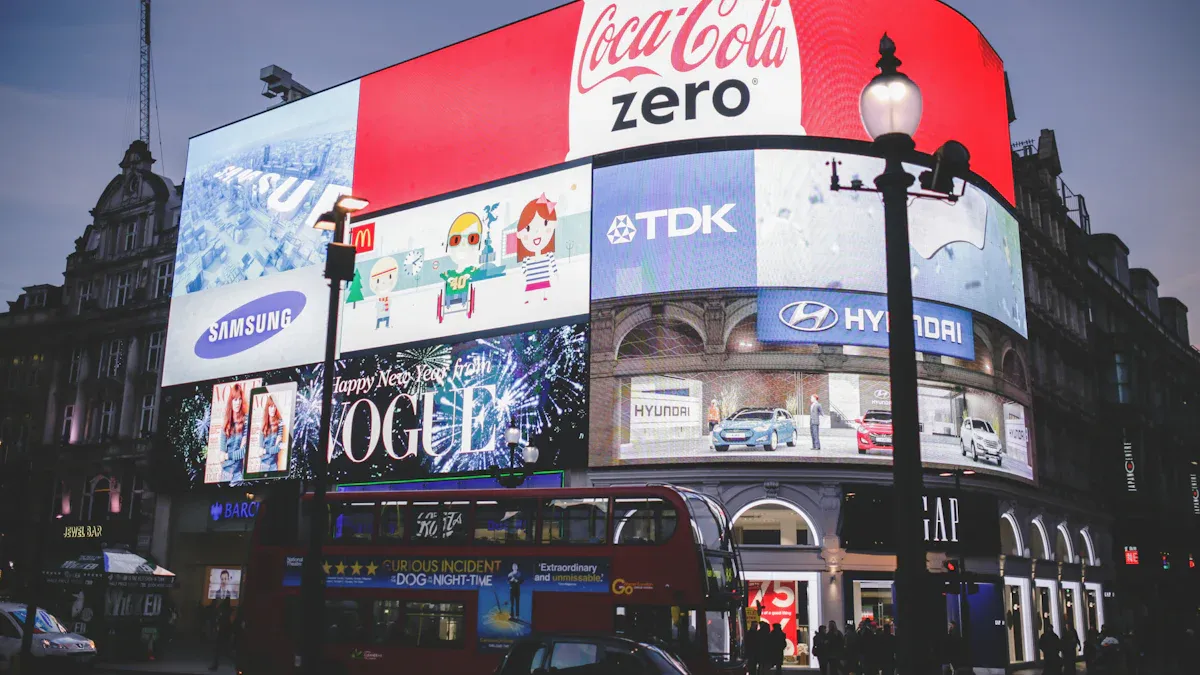
You operate in a crowded market. A single bad experience can lose a customer for good. In fact, one in four consumers will stop buying from a retailer after just one poor interaction. Your displays must do more than just hold products. They need to create a connection. Powerful brand storytelling is your key to winning customer loyalty.
Start transforming your retail space with these five concepts:
- Create a 'Hero' Display to showcase your flagship product's key innovation.
- Design an 'Ecosystem' Display to illustrate how your devices work together seamlessly.
- Build a 'Lifestyle' Display to connect your accessories with specific user activities.
- Develop a 'Durability/Tech' Display to tangibly demonstrate product quality.
- Implement an 'Interactive' Display to let customers experience your brand's promise firsthand.
The 'Hero' Display
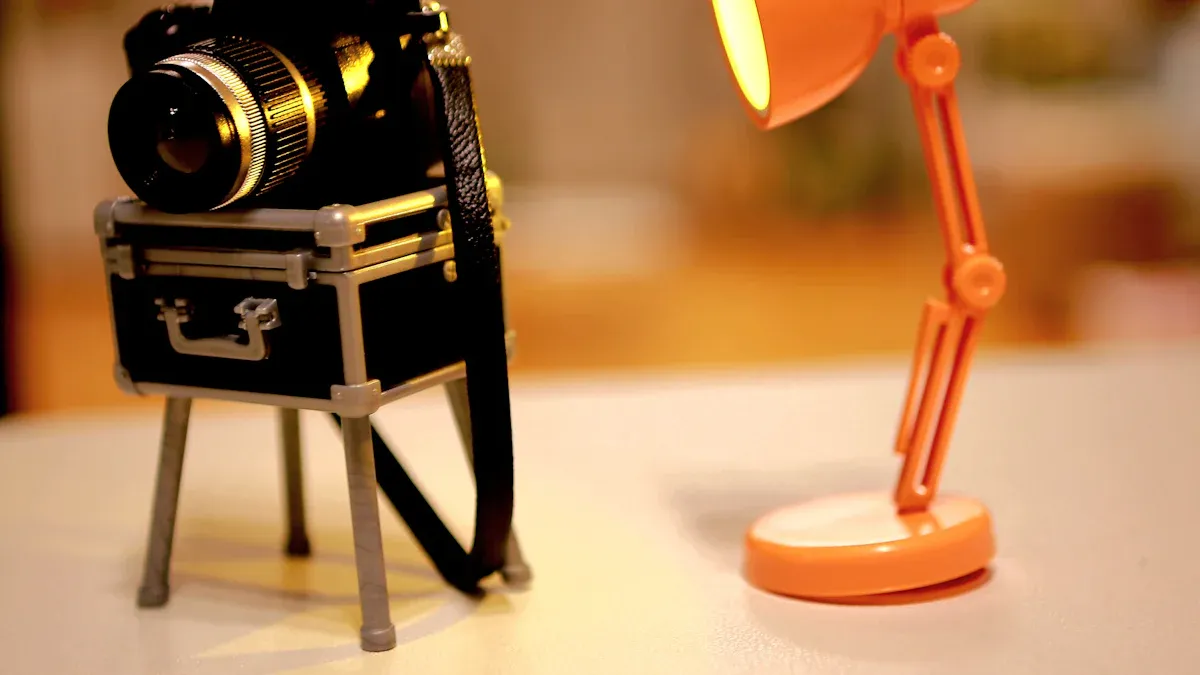
Your flagship product deserves the spotlight. A 'Hero' display isolates your top-tier device, making it the undeniable center of attention. This strategy elevates your product from one of many options to the definitive choice for customers seeking the best. You command attention and define what excellence looks like for your brand.
Display Concept
You must first choose materials that tell a story of quality. Your choice communicates value before a customer even touches the product. Metal displays with brushed or chrome finishes convey lasting craftsmanship and exclusivity. Many luxury shoppers associate these materials with a premium status. Alternatively, clear acrylic offers a cool, modern feel. It provides maximum product visibility and can make your product seem more valuable.
Next, you build the visual narrative around the product.
- Use high-resolution images. Show close-ups of innovative features like a new camera lens or unique port design.
- Write benefit-driven headlines. Instead of just listing specs, use powerful phrases like 'All-Day 10-Hour Battery' or 'Crystal Clear 4K Display'.
- Show the product in action. A dynamic image of someone using the device for gaming or work demonstrates real-world usability and helps customers envision it in their own lives.
Storytelling Angle
Your story here is one of leadership and peak performance. You are not just selling a device; you are presenting "The Future, Now." Every element of the display should reinforce this message of innovation and superiority. You want customers to feel they are looking at the pinnacle of modern technology.
Your display should send a clear message: This is the best product on the market, and it was built for leaders like you.
Reinforce this narrative with social proof. You can build immense trust by adding simple trust signals directly to the display. Integrating a "Bestseller" tag or a "5-Star Rating" transforms the display from a simple product stand into a testament of proven quality. An accolade like "Top Rated Smartphone of the Year" instantly tells customers that experts and peers endorse their choice, making the purchase decision feel both smart and secure.
The 'Ecosystem' Display
You sell more than a single device. You offer a complete, connected experience. An 'Ecosystem' display moves beyond a single product to showcase how your entire family of devices works together. This strategy convinces customers to invest in your brand, not just one gadget. You show them a smarter, more integrated way of living, making it an easy choice to stay within your brand's world for all their tech needs.
Display Concept
Your goal is to visually represent a unified system. You want customers to see the connection instantly. Start with a design that physically groups the products—like a phone, smartwatch, and earbuds—on a single, cohesive fixture. This creates a self-contained world for your brand.
You can use several design elements to tell this story:
- A Shared Back Panel: Use one large graphic behind all the products to create a unified backdrop.
- Visual Connectors: Add subtle lines, light paths, or color flows on the display surface. These graphics can run from the phone to the watch to the earbuds, showing a transfer of data or audio.
- Benefit-Focused Callouts: Use simple text to explain the magic. Place a card that says "Music Follows You" near the earbuds or "Never Miss a Notification" by the watch.
This approach transforms separate items into a single, powerful solution.
Storytelling Angle
Your story is one of 'Effortless Living.' You are selling a world where technology works seamlessly in the background to make life easier. Every element should communicate simplicity, convenience, and a perfectly connected life. You want customers to imagine their day flowing smoothly, powered by your devices working in harmony.
Your display should promise a simpler life. It shows customers how your products remove friction from their daily routines.
Think about how some brands sell the idea of connection itself. For example, Facebook's 'More Together' campaign showed how its platform unites people through shared experiences and culture. Your display can achieve a similar effect. You are not just connecting devices; you are showing customers how your brand connects all the important parts of their world. 🌎
Lifestyle Displays and Brand Storytelling
Your products are more than just electronics; they are tools that power your customers' passions. A lifestyle display connects your accessories to the activities your customers love. This approach moves beyond technical specs. You sell an experience, making your brand an essential part of your customer's life. This form of brand storytelling builds a deep, emotional connection that turns casual buyers into loyal fans.
Display Concept
You need to create a scene that tells a story at a glance. Group accessories based on a specific activity or user persona. This helps customers instantly see how your products fit into their world. Your display becomes a solution center for their passions.
- For the Adventurer: Create a display featuring waterproof phone pouches. Show images of someone kayaking or at the beach. This targets water sports enthusiasts and shows them you have exactly what they need for their next trip.
- For the Athlete: Build a display around fitness. A retail-ready bundle like a countertop box of cooling towels can be very effective. Use lifestyle imagery of runners or gym-goers to create an eye-catching display that drives impulse sales.
- For the Commuter: Design a setup with car mounts, chargers, and Bluetooth earpieces. Frame it as the "Ultimate Commuter Kit" to solve daily travel challenges.
Storytelling Angle
Your story is about enabling passion. You are not just selling a product; you are selling the ability to do more of what you love. Your brand storytelling should empower customers. You want them to feel that your products help them become the hero of their own adventure.
Your display should say: "We understand your passion, and our gear is built to help you pursue it."
Look at how successful brands do this. GoPro’s 'Be a Hero' campaign inspired users to share content from their own thrilling activities. Similarly, LG's 'Only on OLED' campaign connects with movie and sports lovers by offering exclusive content. You can adopt this strategy. Show customers how your accessories enhance their favorite hobbies, whether it's capturing the perfect shot, enjoying a movie, or tracking a workout. You make your brand a partner in their passion.
The Durability and Tech Display
Your customers want proof, not just promises. A Durability and Tech display makes your product's quality tangible. You can show customers the superior engineering and tough materials that make your devices worth the investment. This strategy builds powerful trust. It moves your brand from making claims to providing undeniable evidence of excellence.
Display Concept
You must make the invisible, visible. Your goal is to let customers see the quality that is usually hidden inside the product. This creates a powerful moment of discovery and builds confidence in your engineering.
You can achieve this with a few key approaches:
- The "Exploded" View: Mount a deconstructed version of your device. Show the internal chips, battery, and camera sensors. Use small labels to point out key components like "Reinforced Frame" or "Advanced Cooling System."
- The "Torture Test" Sample: Create a small, interactive station. Let customers try to scratch a sample of your screen material. This provides hands-on proof of your product's toughness.
- The Material Showcase: Display the raw materials used in your product. A block of the same aluminum used for the phone's body tells a story of strength and premium quality.
This hands-on approach gives customers a reason to believe in your product's longevity.
Storytelling Angle
Your story is one of "Engineered for Excellence." You are not just selling a gadget; you are selling a reliable tool built with precision and designed to last. Every element of the display should communicate craftsmanship, resilience, and technological superiority. You want customers to feel confident that they are making a smart, long-term purchase.
Your display must prove your commitment to quality. It tells customers, "We built this to withstand your life, and we're not afraid to show you how."
Think about how car manufacturers display engines at auto shows. They showcase the engineering to prove performance and reliability. You can use the same tactic. By revealing the inner workings and robust materials of your products, you demonstrate a level of transparency and confidence that wins customer loyalty. 🛡️
The Interactive Display

You can turn passive browsing into an active brand experience. An interactive display invites customers to play, explore, and connect with your products on a deeper level. This is not just about fun; it is about results. Case studies show that interactive displays significantly increase the time customers spend at your fixture, which directly leads to higher sales conversion rates. You give customers a reason to stop, stay, and shop.
Display Concept
Your goal is to let customers experience your brand's promise firsthand. You can use technology like augmented reality (AR) to create a memorable and personalized interaction. This makes your products feel more real and relevant to each customer's life.
Imagine what you could offer:
- Virtual Try-Ons: Like Warby Parker, you can let customers use a screen to see how accessories look on them without opening a single package.
- In-Home Visualization: You can follow IKEA's lead by using an app that allows customers to virtually place your products in their own room to see how they fit.
- Product Exploration: You could even create an experience like Starbucks, where scanning a product reveals animated scenes or extra information, turning a simple item into a discovery.
Storytelling Angle
Your story here is one of "Co-Creation and Personalization." You are not just talking at your customers; you are inviting them into a conversation. This display empowers them to customize their experience and see how your brand fits their unique needs. You make them a partner in the brand story.
Your display should say: "Your experience matters. Let's build it together."
This interaction also provides you with valuable insights. You can include a short quiz or a game on the display screen. This transforms data collection into an engaging activity. By tracking customer choices, you learn what they prefer in real-time. This helps you tailor future products and marketing. You build a stronger brand by listening to what your customers tell you, one tap at a time. 🎮
You can spotlight innovation, show integration, or connect to passion. You can prove quality or create interactive fun. Your display is a powerful tool for brand storytelling, not just a product stand. With 62% of shoppers making impulse buys from compelling displays, your brand storytelling must be effective. Now, choose the one strategy that best tells your story. Take the first step to build a display that connects and converts.
FAQ
How do I choose a display for my budget?
You should start with your primary goal. A 'Hero' display may use premium materials for a higher cost. A 'Lifestyle' display can use simple props and graphics. You can create an effective display that tells your story on any budget.
What if my retail space is small?
You can use compact countertop displays. These fixtures tell a powerful story in a small footprint. Focus on one key message, like the 'Hero' or 'Lifestyle' concept. This focus maximizes your impact in a limited area.
How do I measure a display's success?
You track sales of the featured product. You also observe customer engagement. Note how many people stop, touch, or ask questions about the display. Increased interaction and sales prove your display's success and deliver a clear return on investment.
How quickly can I set up a new display?
You can implement simple displays, like a 'Lifestyle' setup, in just one day. Complex 'Interactive' or 'Tech' displays require more planning. Start with a quick, high-impact change to see immediate results and boost sales. 🚀