What Is Better For Art Acrylic or Glass Frames?

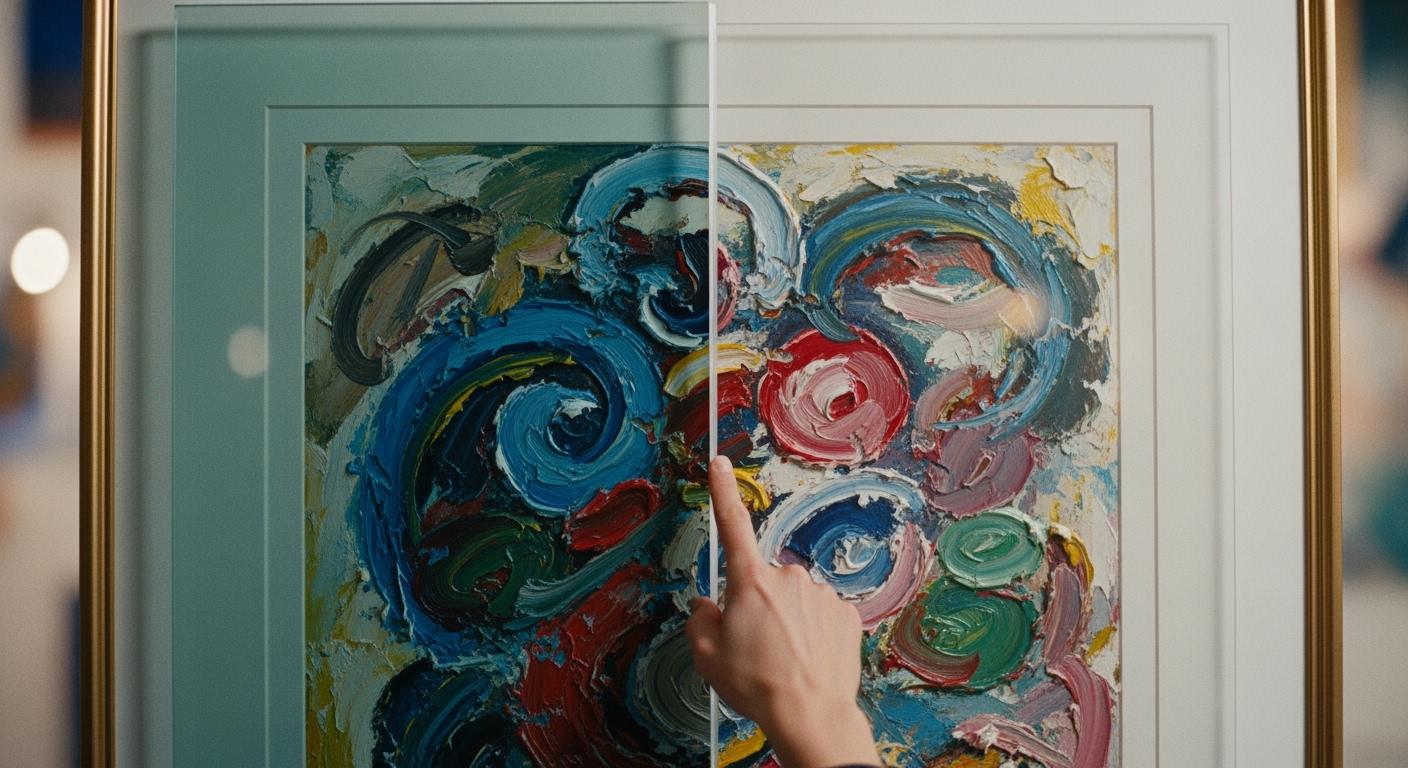
For most art and photos, you should choose acrylic for your picture framing needs.
The key benefits of acrylic frames are superior protection, excellent clarity, and a lightweight design. This acrylic glass is shatter-resistant, unlike traditional glass. Understanding why professionals prefer acrylic glass helps you select the best option for your acrylic pieces.
Key Benefits of Acrylic Frames vs. Glass
When you choose a frame, you are making a decision about your art's future. The material you select impacts its appearance, safety, and longevity. Understanding the benefits of acrylic frames helps you see why it is the top choice for professionals and galleries.
Durability and UV Protection
Your artwork's safety is a top priority. Acrylic offers superior protection in two critical ways: physical durability and defense against light damage.
Acrylic is a shatter-resistant material. Unlike glass, it will not break into dangerous shards if a frame falls. This makes acrylic glass an ideal choice for shipping art, for hanging pieces in high-traffic areas, or for homes with children and pets. You gain peace of mind knowing your art and your family are safer.
Equally important is protection from invisible threats. Sunlight and even indoor lighting emit damaging UV rays that cause colors to fade over time. Museum-grade acrylic glass is engineered to filter out these harmful rays, offering excellent preservation for your art. Standard glass offers far less defense against UV penetration.
A Note on UV Protection Choosing the right glazing directly impacts how long your art's colors will last. Museum-grade acrylic provides the highest level of defense against fading.
Here is a quick comparison of UV filtering capabilities:
Material | UV Protection Percentage |
|---|---|
Museum-Grade Acrylic | 99% or more |
Standard Glass | 40-50% |
Clarity and Color: Is Acrylic Glass Clearer?
You want to see your artwork's true colors. Acrylic is optically superior to standard glass, allowing you to view your piece without distortion.
High-quality acrylic has exceptional clarity. It can transmit up to 92% of visible light. This means more light reaches the artwork, making colors appear richer and more vibrant. Standard glass often has a slight green tint due to its iron content. This tint can subtly alter the appearance of the colors in your art. Acrylic glass is completely clear, ensuring the artist's original color palette shines through. For an even better viewing experience, you can select non-glare acrylic glass, which minimizes reflections.
Over time, the benefits of acrylic frames become even more apparent.
High-quality acrylic maintains its crystal-clear look without yellowing.
It stays color-neutral, unlike some glass that can dull the image.
Minor surface scratches on acrylic can often be polished away, restoring its original finish.
Weight and Handling for Large Art
If you have ever tried to hang a large, glass-framed picture, you know how heavy it can be. One of the most practical benefits of acrylic frames is that acrylic is incredibly lightweight. In fact, it weighs about half as much as glass.
This lightweight quality offers several advantages:
Easier and Safer Hanging: You can hang large or oversized pieces with more confidence. The reduced weight puts less strain on your walls and hanging hardware.
Lower Shipping Costs: If you need to move or ship your art, the lighter weight of acrylic can significantly reduce expenses.
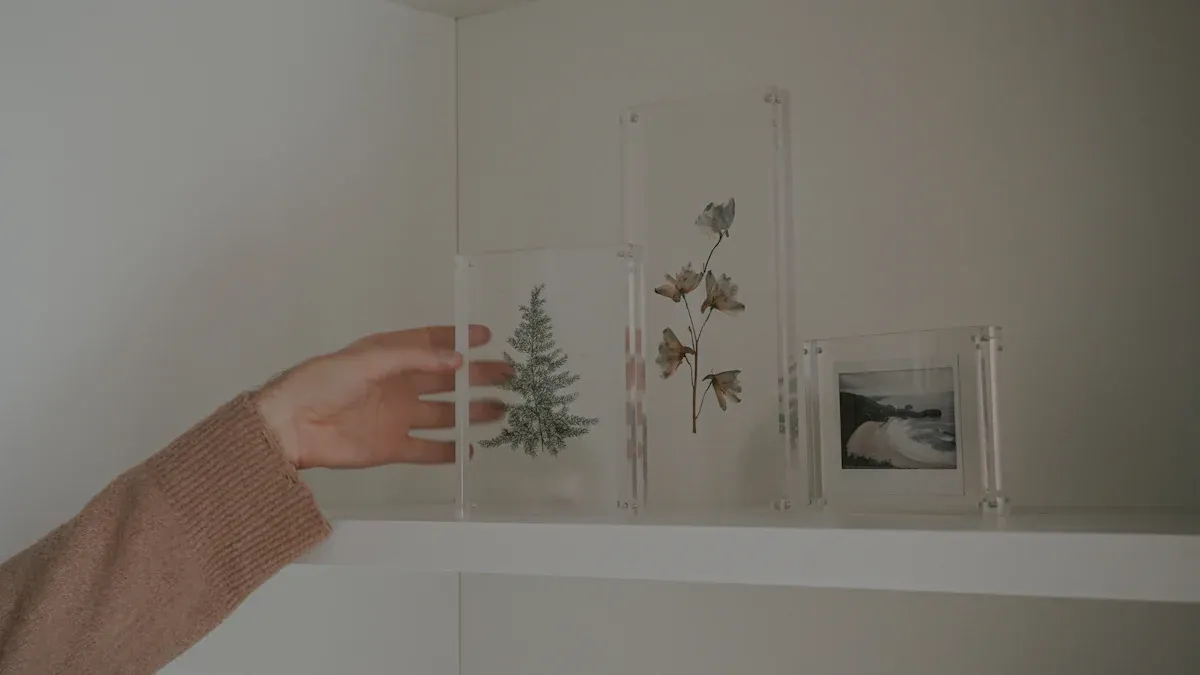
Modern Display Options: The lightweight nature of acrylic has opened up new, modern ways to display art. Sleek, borderless "floating frames" use two panels of acrylic to sandwich the artwork. This creates a stunning, contemporary look where the art appears to float on the wall, letting the piece itself be the complete focus.
Cost vs. Long-Term Value
Acrylic can sometimes have a higher upfront cost than standard glass. However, you should view this cost as an investment in the long-term value and preservation of your artwork.
Using archival materials, including UV-protective acrylic, is crucial for valuable original art pieces. Proper framing demonstrates that the art has been cared for, which can maintain or even increase its resale value. The superior protection offered by acrylic glass prevents fading and damage, ensuring the artwork remains in pristine condition for decades. When you consider the cost of replacing a piece of art damaged by a shattered glass frame or faded by UV rays, the initial investment in acrylic proves its worth.
When Is Traditional Glass a Better Fit?

While acrylic is often the best choice, you might find that traditional glass works better for certain situations. Glass remains a practical and affordable option for many projects. Understanding when to use it helps you make the best decision without overspending. Sometimes, the advanced protection of acrylic glass is simply not necessary.
For Budget-Friendly Projects
You should choose glass when your budget is the main concern. For everyday items that are not valuable or irreplaceable, standard glass is a very cost-effective solution. It provides a clear view and basic protection at a low price point. This makes it perfect for framing things like your kids' drawings or inexpensive posters.
The table below shows how different types of glass fit different budget needs.
Glass Type | Cost-Effectiveness | Suitable Projects | Key Features |
|---|---|---|---|
Regular Glass | Most affordable | Kids’ drawings, inexpensive posters, temporary items | No UV protection, colors may fade, most glare, average clarity |
UV-Filtering Glass | Mid-tier (20-30% more) | Diplomas, signed photographs, sentimental pieces | Blocks most UV rays, prevents fading, better clarity, long-term color retention |
For Small or Standard-Sized Photos
Glass is an excellent choice for small or standard-sized photos. Ready-made frames with glass are widely available and very affordable in common sizes.
Size: 8x10 inches is a popular, economical choice.
Price: You can find frames for a few dollars.
Bulk Orders: Buying multiple frames often gives you a discount, making it cheaper to frame a set of photos.
The lightweight benefit of acrylic is also less important for smaller pieces.
While it may not be much of a problem for small framed pieces, the difference can be significant for large pieces.
A small glass frame is easy to handle and hang, so the extra cost of acrylic may not be justified.
When Historical Authenticity Is Key
Sometimes, you must use glass to preserve a piece of art correctly. Certain antique items, like daguerreotypes from the 1800s, require glass. These early photographs were made on polished silver plates. The original makers sealed them behind glass to stop air from tarnishing the delicate image. Removing or replacing this glass can cause permanent damage. In this case, the glass is a critical part of the object's history and preservation, making it the only appropriate choice over modern acrylic.
Final Verdict: Choosing Your Frame
You now have the key facts to choose the right glazing for your project. Your final decision depends on balancing your artwork's value, your budget, and where you plan to display it.
Why Pros Choose Acrylic for Valuable Art
Professionals choose acrylic to protect valuable investments. Art conservators and framers use archival materials to ensure framing is reversible and does not harm the artwork. Museum-grade acrylic glass filters over 99% of UV rays. This prevents the kind of fading seen in pieces framed under regular glass, where colors and signatures can disappear over time.
Professional photographers and artists also prefer acrylic for exhibitions. It makes images look vivid and almost three-dimensional. The frameless look of an acrylic mount keeps the focus entirely on the art itself. For them, acrylic is not just a protective layer but part of the presentation.
When to Opt for a Standard Glass Frame
You should choose a standard glass frame for everyday projects where budget is a priority. Glass is a great choice for inexpensive prints or personal photos. If you are framing something in a room with a lot of overhead lighting, you might consider non-glare glass. It helps reduce reflections so you can see your image more clearly. For smaller pieces that are easy to hang, the extra cost of acrylic may not be necessary.
A Quick Decision-Making Checklist
Use these questions to make your final choice. Your answers will point you to the best material for your needs.
What is the value of your piece?
High Value / Irreplaceable: Choose UV-protective acrylic.
Sentimental / Inexpensive: Glass is a good option.
How large is the artwork?
Large / Oversized: The lighter weight of acrylic is safer and easier to hang.
Small / Standard Size: Glass is perfectly fine.
Where will it hang?
High-Traffic Area / Kid's Room: Shatter-resistant acrylic glass is the safest choice.
Quiet, Secure Location: Glass works well.
This simple checklist helps you select the right frame with confidence.
You now understand the benefits of acrylic frames. Acrylic is the modern standard for protecting valuable art. Its unmatched clarity, durability, and UV protection make it the best choice. For everyday projects, standard glass is a perfectly good and economical option. Ultimately, you can choose the right material with confidence. Your decision for acrylic or acrylic glass should depend on your artwork's value and where you plan to display it.
FAQ
How do you clean acrylic frames?
You should use a soft microfiber cloth. You can buy special acrylic cleaners for the best results. Avoid using glass cleaners that contain ammonia. These harsh chemicals will damage the acrylic surface and cause it to look cloudy.
Does acrylic yellow over time?
High-quality acrylic contains UV stabilizers that prevent it from yellowing. It maintains its crystal-clear look for many years. Cheaper plastics might change color, so you should always choose a reputable supplier for your frames to ensure longevity.
Which material is better for reducing glare?
You can find non-glare options for both acrylic and glass. Special coatings on either material help reduce reflections. This gives you a clearer view of your art, especially in brightly lit rooms. Your choice depends on other factors like budget.
Is acrylic scratch-proof?
No, acrylic is softer than glass, so it can scratch more easily. You should handle it with care. However, you can often polish minor scratches out of an acrylic surface. A scratch on a glass frame is permanent.
See Also
Simplified Guide: Glass Versus Acrylic Coffee Tables for Your Home
Discovering the Unique Appeal of Acrylic and Glass Coffee Tables
Acrylic Aquariums: Understanding Their Definition, Features, and Practical Uses
Essential Guide: Acrylic and Glass Coffee Table Material and Care
Acrylic (PMMA): Defining Its Properties and Diverse Practical Applications