Never Lose Items With These Anti-Theft Features

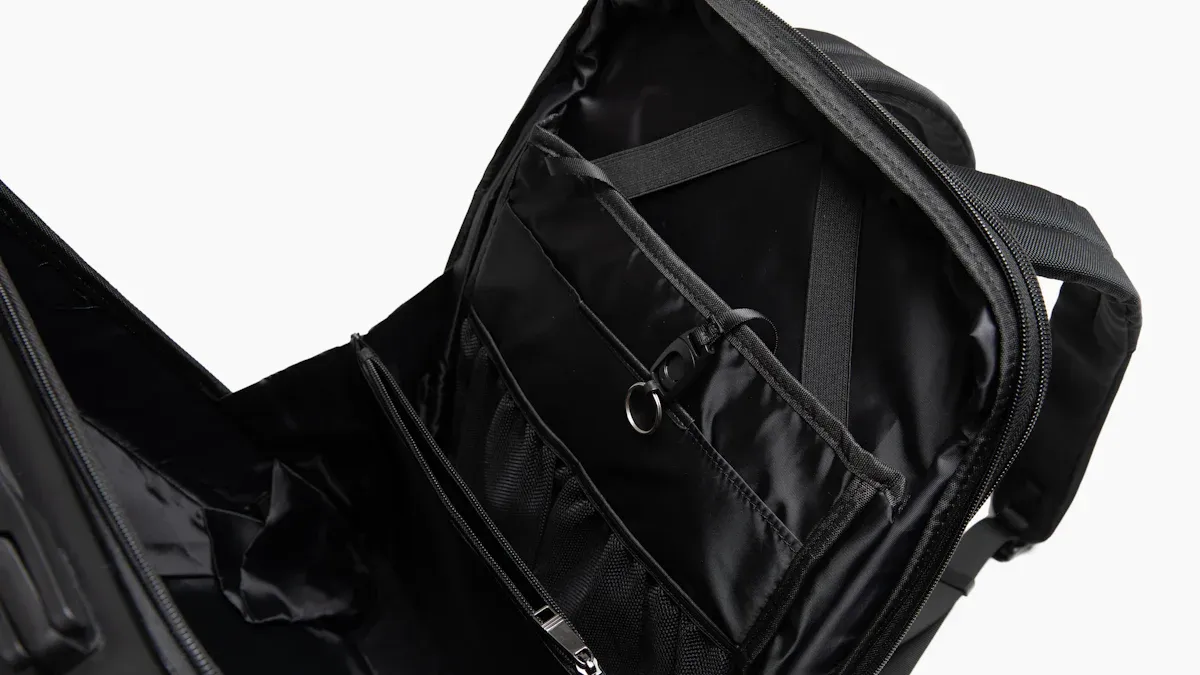
Event professionals often face theft at trade shows and functions. Common targets include both valuable and everyday items.
- Tablets and smartphones
- Credit card swipers
- Giveaways and freebies
Securing event displays requires a multi-layered strategy. This approach combines physical security, smart technology, thoughtful display design, and proactive staff protocols. Effective anti-theft features create a comprehensive toolkit for any professional looking to protect their assets.
Fortify Displays with Physical Security
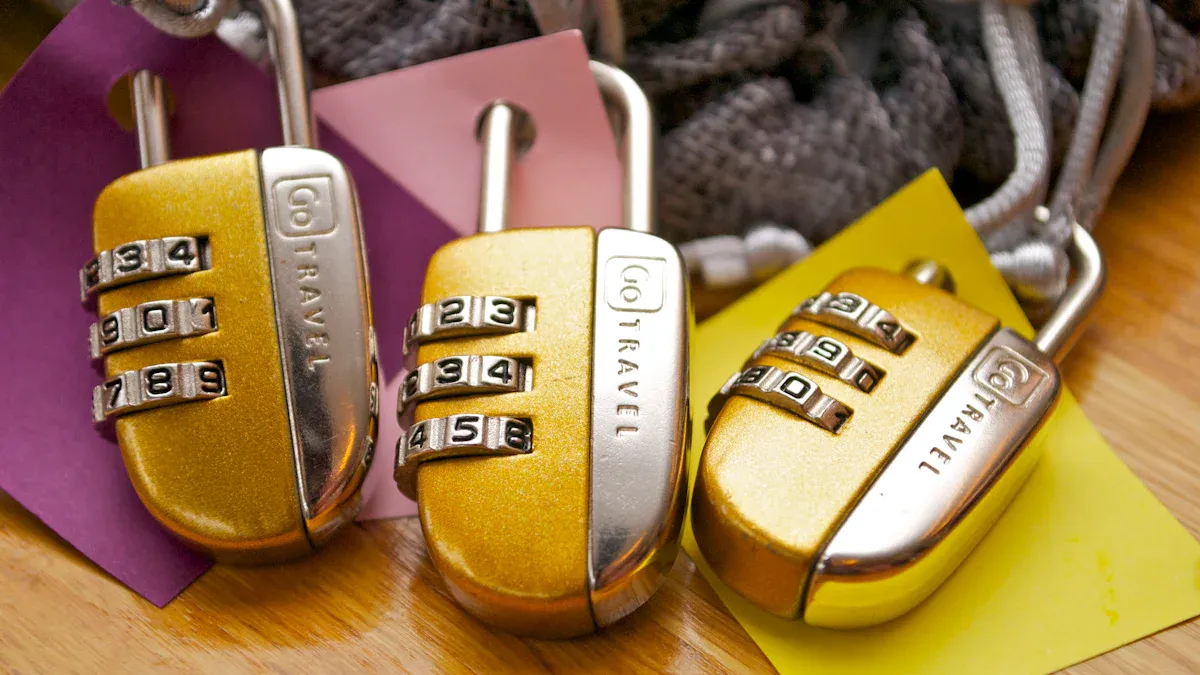
Physical security forms the first line of defense for any event booth. These tangible fixtures are designed to make theft physically more difficult. They create a strong, visible deterrent against opportunistic thieves. Implementing these anti-theft features sends a clear message that your assets are protected.
Use Mechanical Tethers and Retractors
Mechanical tethers are simple yet effective tools. They secure smaller, high-touch items like smartphones, scanners, or product samples. Reinforced tethers allow attendees to interact with a product. The device remains securely fastened to the display table or wall. Retractors neatly pull the item back into place after use. This maintains a tidy display while preventing items from "walking away."
Install Locking Mounts and Cases
Locking mounts and cases provide robust protection for valuable merchandise. These solutions range from tamper-resistant tablet holders to high-security display cases. For luxury goods like jewelry, exhibitors can use showcases made with tempered safety glass and durable aluminum frames. These units often feature pre-installed LED lighting and lockable rear sliding doors. This allows staff easy access while keeping merchandise secure from the public. These physical anti-theft features are essential for high-value displays.
Pro Tip: Choose modular display cases that arrive fully assembled. This saves significant setup time at events and allows for future expansion as your needs grow.
Anchor Electronics with Cable Locks
Laptops, projectors, and monitors are common targets at events. Cable locks are a non-negotiable security measure for these electronics. Kensington cables are a common and effective example. They work with the security lock slots found on 99% of modern electronics.
These locks come in several varieties to fit different devices:
- Keyed or Combination Locks: Choose the access method that best suits your team.
- Universal 3-in-1 Locks: These fit standard, nano, and wedge-shaped slots, offering a future-proof solution.
- Anchor Adapters: For devices without a built-in slot, an adapter can add a secure anchor point through the 3mm headphone port.
Securing equipment with a strong carbon steel cable and tamper-resistant fasteners makes it incredibly difficult for a thief to quickly grab an expensive device.
Integrate Smart Anti-Theft Features
Smart technology transforms a static display into a responsive security asset. These systems, often part of the Internet of Things (IoT), provide active protection. They offer real-time visibility of your assets and send instant alerts for any unauthorized movement. This layer of defense turns your booth into a connected, intelligent security zone.
Deploy Alarmed Tethers and Sensors
Alarmed tethers and sensors build upon physical restraints by adding an audible alert. These devices function as a two-in-one solution. An alarmed display stand, for example, physically secures a tablet while also monitoring it electronically. If a thief cuts the cable or removes the device from the stand, a loud alarm will sound. These alarms typically operate between 85-100 decibels. This is loud enough to startle a thief and attract immediate attention from staff and security.
Track Assets with RFID Tags
Radio-Frequency Identification (RFID) technology is excellent for tracking valuable assets like audio-visual equipment and signage. Event managers can attach small RFID tags to items. A reader can then quickly scan the booth to locate equipment or confirm its return. This technology also helps vendors monitor inventory levels in real-time. While RFID systems have a higher initial cost than traditional barcodes, they offer significant long-term labor savings through automated scanning.
| Feature | Barcode System | RFID System |
|---|---|---|
| Tag Cost | $0.01–$0.05 each | $0.10–$0.50 each |
| Handheld Scanner | $50–$500 | $500–$1,500 |
| Labor | Manual scanning | Automated scanning |
Use Discreet Motion-Sensing Alarms
Discreet motion sensors provide excellent after-hours protection. Small, battery-powered units can be hidden inside cabinets, under tables, or within the booth structure. These smart anti-theft features create an invisible perimeter. To prevent false alarms from normal crowd movement, users can adjust sensor sensitivity. Many modern systems also use dual-technology sensors, which combine infrared and microwave detection. An alarm only triggers when both sensors detect motion, drastically reducing false alerts.
Design Your Booth for Security
A well-designed booth is more than just visually appealing. It is also a powerful tool for loss prevention. Thoughtful layout choices can naturally guide attendee behavior, increase visibility, and make theft more difficult. This approach integrates security directly into the booth's structure and aesthetics.
Apply Strategic Product Placement
Strategic product placement is a simple yet powerful way to minimize "grab-and-run" theft. Exhibitors should place their most valuable or targeted items in locations with high visibility and staff presence. For example, one hardware store saw a 22 percent drop in theft just two months after moving high-value tools to a staffed counter. This strategy makes potential thieves feel watched and discourages them from acting.
Key placement strategies include:
- Positioning high-value merchandise like electronics in lockable display cases that require staff assistance.
- Keeping small, desirable items away from booth exits to prevent quick escapes.
- Arranging displays to encourage interaction between attendees and staff, creating a natural deterrent.
Build with Tiered or Recessed Shelving
The physical design of shelving can make products harder to steal. Recessed shelves, for instance, set items back from the edge. This small change forces a person to reach farther, making a quick grab less likely. Exhibitors can also apply the 'pyramid principle' of visual merchandising. This technique uses an asymmetrical arrangement to create a focal point. One item sits at the top, with others placed a step below. This design guides the customer's eye through the display, keeping their attention focused and making it harder for theft to go unnoticed.
Blend Security into Your Aesthetics
Security measures do not need to look intimidating. They can blend seamlessly into the booth's design. Lighting is a perfect example of this principle. Good lighting serves two purposes. It highlights products to attract customers and acts as a powerful psychological deterrent for thieves. Well-lit areas imply surveillance, making criminals feel exposed. Studies show that improved lighting can significantly reduce crime. One study in New York noted a 39% decrease in nighttime robberies after installing new LED lighting.
💡 A Win-Win Solution: On-shelf display lighting is an effective and affordable way to reduce theft. It draws positive attention to profitable items while simultaneously enhancing their security.
Establish Proactive Staff Protocols
Technology and design are powerful, but a well-trained team is the most dynamic security asset. Proactive staff protocols turn every team member into a guardian of the booth. This human element creates an active and responsive defense against theft.
Assign a 'Greeter' as a Deterrent
A dedicated greeter does more than welcome visitors. This person acts as a powerful visual deterrent. Their presence at the front of the booth makes potential thieves feel observed. Effective greeters need specific training to be successful.
Training Tip: Use interactive tools like role-playing and scenario-driven instruction. These methods help staff develop real-time decision-making skills in a secure environment. This makes training more engaging and improves knowledge retention.
Staff should receive situational awareness training. This helps them identify suspicious activity and secure physical devices. This training empowers employees to make informed decisions and protect company assets effectively.
Conduct Regular Inventory Checks
Regular inventory checks are essential for early theft detection. Teams should conduct quick counts of high-value or high-volume items at key moments. A simple schedule might include checks at the start of the day, during a mid-day lull, and before closing. This routine helps pinpoint when an item went missing. It provides a smaller window of time for investigation and loss recovery.
Create a Theft Response Plan
Panic can make a bad situation worse. A clear theft response plan ensures the team acts quickly and professionally. The plan should define roles, responsibilities, and communication channels before an incident occurs. An effective plan includes several key stages:
- Preparation. Assign roles and create a contact list for event security and management.
- Detection. Verify the theft and assess its immediate impact on operations.
- Containment. Take steps to prevent further loss, such as securing other devices.
- Post-Incident Review. Analyze what happened to improve security for future events.
Teams should also create simple playbooks for common scenarios. For a stolen tablet, the playbook might direct a staff member to immediately notify the team lead, who then remotely wipes the device and files a report with event security.
Relying on a single solution is insufficient for event security. The most effective defense combines physical hardware, smart alerts, strategic design, and a well-trained team. These integrated anti-theft features create a robust security posture.
Event professionals should assess their most valuable items before their next event. They can see an immediate reduction in risk by implementing at least one physical and one procedural safeguard.
FAQ
What is the single most important anti-theft feature?
No single feature is most important. The best defense combines multiple layers. Exhibitors achieve strong security by using physical locks, smart alerts, thoughtful design, and proactive staff protocols together. This integrated approach provides the most effective protection.
How can small businesses afford these security measures?
Small businesses can implement many low-cost solutions. Staff training and strategic product placement are highly effective and affordable. Basic cable locks also provide excellent security for a small investment. These simple steps create a strong defense.
Do security features scare away customers?
Security features can enhance a booth's appearance. Exhibitors should blend them into the design. Good lighting, for example, highlights products while deterring thieves. Professional locking cases and organized displays protect items without scaring away attendees.
What is the first step to improve booth security?
Event professionals should first assess their vulnerabilities. They can identify the most valuable or targeted items. Next, they should implement one physical safeguard, like a lock, and one procedural safeguard, like an inventory check. This provides an immediate risk reduction.