Air vs Sea Freight Total Landed Cost 2025

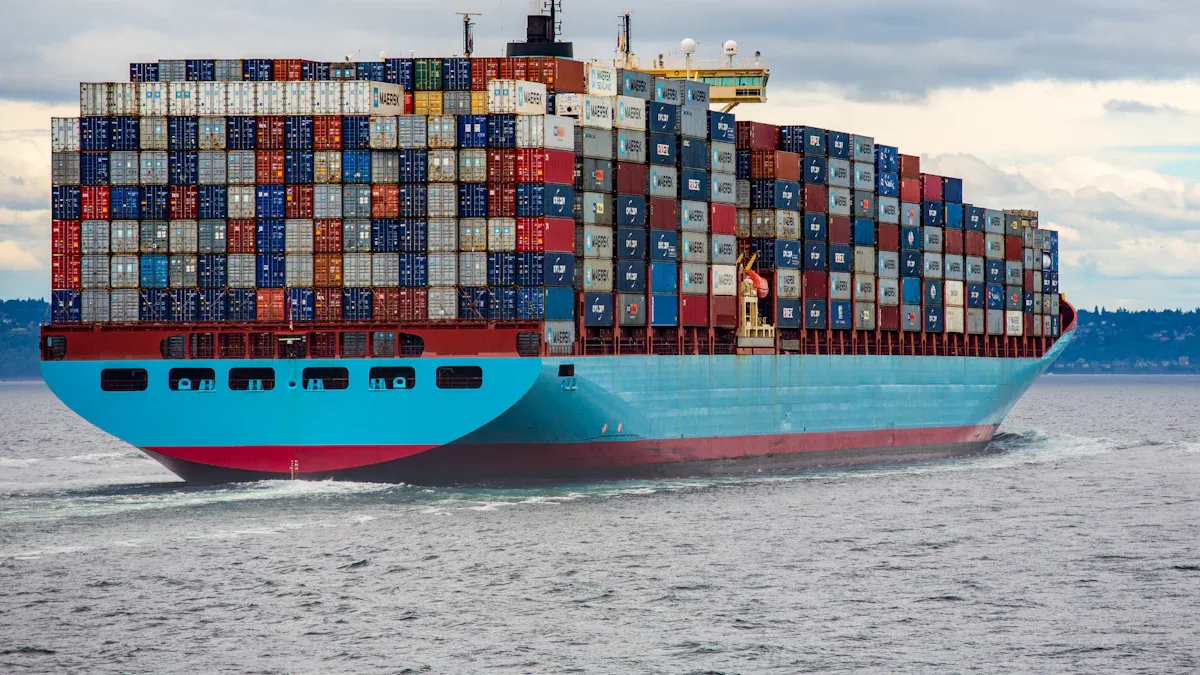
Businesses shipping high-value acrylic displays face a key question in 2025: is air or sea freight more cost-effective? The answer depends on shipment value, size, and urgency. Shippers must look beyond the freight quote and use the total landed cost as the only reliable metric. With air freight capacity growth expected to be limited, making the right choice is critical for managing expenses.
A good rule of thumb exists. Sea freight is best for large shipments over 5 CBM. Air freight often wins for small, high-value, or urgent goods under 2 CBM.
Core Freight Cost Comparison
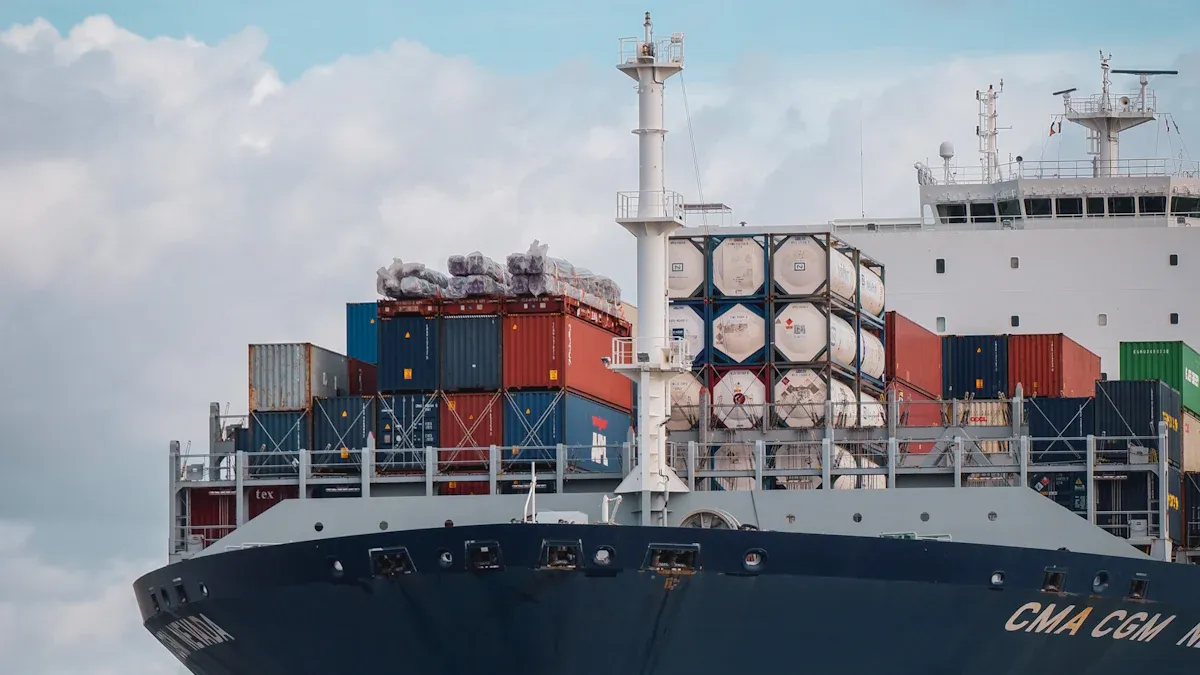
Understanding the base freight rate is the first step in calculating your total cost. Sea and air freight have fundamentally different pricing structures. Shippers must know these differences to make an informed comparison.
Sea Freight: FCL vs. LCL Costs
Sea freight offers two primary options: Full Container Load (FCL) and Less than Container Load (LCL).
FCL gives a shipper exclusive use of a container. The price is a flat rate for the container, plus several surcharges. Key cost components include:
- Basic Freight Price: The core cost to move the container from port to port.
- Surcharges: Fees for fuel (BAF), terminal handling (THC), and port congestion.
- Port-Related Expenses: Charges for documentation and port services.
LCL is for shipments that do not fill a full container. LCL pricing depends on volume, measured in cubic meters (CBM). Carriers calculate the total volume of the boxes. While weight is a factor, volume has a greater impact on the final cost.
Note: LCL freight has a minimum charge. This minimum often equals the cost of shipping one CBM. If your shipment is only 0.5 CBM, you will likely pay the full 1 CBM rate.
Air Freight: Chargeable Weight Explained
Air freight pricing uses a metric called "chargeable weight." Carriers compare the shipment's actual gross weight to its volumetric weight. They charge for whichever is higher. This method accounts for large but light items, like acrylic displays, that take up significant space.
The formula for volumetric weight is simple:
Volumetric Weight (kg) = (Length x Width x Height in cm) / 6000
The number 6000 is an industry-standard divisor. This calculation means that carriers consider 1 CBM equivalent to 167 kg for pricing purposes.
2025 Baseline Rate Snapshot
Rates fluctuate, but a 2025 snapshot provides a useful baseline. These figures represent the core freight cost before surcharges and other fees are added.
| Freight Mode | Route Example | 2025 Estimated Baseline Rate |
|---|---|---|
| Sea Freight | 40ft Container (Shanghai to Los Angeles) | $4,800 – $5,300 |
| Air Freight | Per Kilogram (China to USA) | $3.65 – $4.50 / kg |
This table shows the significant difference in base pricing structures. A large, heavy shipment favors sea freight, while a small, light shipment may be surprisingly cost-effective by air.
Beyond the Quote: Surcharges and Fees
The base freight rate is only one part of the final bill. Shippers must account for numerous surcharges and fees. These additional costs can significantly alter the total landed cost of a shipment. A low initial quote often hides these mandatory charges.
Standard Shipping Surcharges
Carriers add several standard surcharges to the base freight cost. These fees cover variable operational expenses. Common surcharges include:
- Bunker Adjustment Factor (BAF): This fee adjusts for fluctuations in fuel prices. BAF varies significantly by trade lane.
- Terminal Handling Charge (THC): Ports charge this fee for loading and unloading containers. Major hubs in North America and Europe, like Los Angeles and Rotterdam, have higher THCs due to greater operational costs.
- Peak Season Surcharge (PSS): Carriers implement this charge during high-demand periods to manage capacity. For example, Maersk often announces a PSS for routes like the Indian Subcontinent to the US ahead of busy seasons.
The BAF surcharge shows how costs can differ based on the route.
| Trade Lane | 20ft Container (USD) | 40ft Container (USD) |
|---|---|---|
| Mediterranean to North Europe | $178 | $355 |
| All Intra Asia Trades | $29 | $57 |
Destination and Customs Fees
Costs continue to accumulate after a shipment arrives at its destination. Shippers must pay for customs clearance and other import-related fees. In the United States, key charges include:
- Brokerage Fee: A customs broker charges this fee for managing the import process. The fee is typically higher for ocean freight ($149.95) than for air freight ($124.95).
- Merchandise Processing Fee (MPF): A U.S. Customs fee calculated at 0.3464% of the shipment's value.
- Harbor Maintenance Fee (HMF): An additional 0.125% fee on the value of goods imported via the ocean.
Note: The United States has a de minimis value of $800. Most shipments valued below this amount are exempt from duties and taxes, which can make small air shipments more attractive.
New for 2025: The ETS Impact
A significant new cost for 2025 is the European Union's Emissions Trading System (ETS). This system requires shipping companies to pay for their carbon emissions on routes to, from, and within the EU. This regulation disproportionately affects sea freight.
In 2025, the ETS requirement increases sharply. Carriers must surrender allowances for 70% of their reported emissions, up from 40% in 2024. This applies to all vessels over 5,000 gross tonnage. While the surcharge currently adds less than 1% to the total cost of a container from Asia to Europe, this percentage will grow as the ETS phases in completely. This environmental regulation adds another layer to the total landed cost calculation for sea freight.
Calculating Your Total Landed Cost

The freight quote is only the starting point. A savvy shipper analyzes every expense from the factory door to the final warehouse. Calculating the total landed cost is the only way to see the true price of a shipment. This comprehensive view often reveals that the cheapest freight option is not the most cost-effective one.
The Full Total Landed Cost Formula
The complete formula for total landed cost is straightforward. It combines the product's price with all logistical expenses. The basic equation is:
Product Cost + Shipping + Customs + Risk + Overhead = Total Landed Cost
Each component includes several specific charges. A detailed calculation must account for:
- Product: The original price paid to the supplier for the goods.
- Shipping: All transportation and handling fees. This includes inland trucking, port charges, and the main air or ocean freight cost.
- Customs: Fees required to import goods. This covers duties, tariffs, taxes (like VAT), and brokerage fees for customs clearance.
- Risk: Costs to protect the shipment. This is primarily cargo insurance, but it also includes expenses for quality assurance and compliance.
- Overhead: Internal business costs. This includes inventory carrying costs, payment processing fees, and staff salaries related to the shipment.
Inventory Holding Cost: The Price of Time
Inventory Holding Cost (IHC) is the hidden expense of tying up capital in goods that are in transit. For high-value items like acrylic displays, IHC can dramatically influence the total landed cost. Air freight's shorter transit time reduces this cost, which can offset its higher base rate.
A simple formula helps estimate this cost:
IHC = (Product Value x Annual Carrying Cost %) x (Transit Days / 365)
Let's compare a $100,000 shipment of acrylic displays using a standard annual carrying cost of 20%.
- Sea Freight: A typical transit time from China to the US is 40 days.
($100,000 x 0.20) x (40 / 365) = $2,191.78
- Air Freight: A typical transit time is much shorter, around 7 days.
($100,000 x 0.20) x (7 / 365) = $383.56
The results show a clear financial advantage for air freight in this area.
| Freight Mode | Transit Time | Inventory Holding Cost |
|---|---|---|
| Sea Freight | 40 Days | $2,191.78 |
| Air Freight | 7 Days | $383.56 |
| Difference | 33 Days | $1,808.22 |
In this scenario, choosing air freight saves over $1,800 in inventory costs alone. This saving makes the higher freight rate of air cargo much more competitive.
Risk and Insurance Cost Factors
Every shipment carries risk. The cost of this risk appears in your insurance premium. Air freight generally involves less handling and shorter transit times, making it statistically safer. This often results in lower insurance rates compared to sea freight, despite the cargo's value.
| Freight Type | Average Insurance Rate (% of Cargo Value) |
|---|---|
| Sea Freight | 0.3% to 0.5% |
| Air Freight | 0.1% to 0.3% |
Several factors can increase insurance premiums for any shipment:
- Cargo Type: Fragile or high-value goods like acrylic displays are considered higher risk and may incur higher premiums.
- Shipping Route: Journeys through areas with political instability, piracy, or extreme weather are more expensive to insure. For example, ongoing conflicts in the Red Sea have caused war insurance premiums to surge.
- Loss History: A company with a history of filing claims will likely face higher rates.
Beyond insurance, the true cost of a lost or damaged shipment is much higher. Businesses must consider the financial impact of supply chain interruptions, lost revenue from canceled orders, and the cost of expediting a replacement shipment. While cargo is at risk in any mode, the longer duration of sea transit extends the period of potential exposure.
A Strategic Decision Framework
Choosing the right freight mode requires a clear analysis of the shipment's specific characteristics. A simple framework helps businesses move beyond the freight quote and make a decision that protects their profit margins. The final choice balances cost, speed, and risk.
When to Choose Sea Freight
Sea freight is the most cost-effective solution for certain types of cargo. It is the standard choice for large, heavy, or bulky items traveling long distances. Ocean freight is generally the most economical option for international shipments where delivery time is not a critical factor.
Pro Tip: Shipments weighing over 500 kg usually become too expensive for air freight. Ocean freight typically costs around $2-$4 per kilogram, making it ideal for budget-sensitive cargo.
Shippers should choose sea freight when:
- The shipment volume is large (over 2 CBM).
- The goods have a lower commercial value.
- The delivery schedule is flexible, with long lead times.
- The products are bulky but lightweight, such as furniture or plastic products, and can fill a high cube container.
When to Choose Air Freight
Air freight offers significant advantages in speed and security. Its higher base rate is often justified by lower inventory holding costs and reduced risk, especially for high-value goods like acrylic displays.
Shippers should choose air freight for:
- Small, lightweight shipments (under 2 CBM or 200 kg).
- High-value products where capital costs are a major concern.
- Time-sensitive orders with tight deadlines.
- Fragile items that benefit from less handling and shorter transit.
Analyzing Shipments in the "Gray Area"
Many shipments fall between the obvious choices. For these "gray area" goods, a detailed comparison is essential. This table helps businesses analyze the key factors to determine the true total landed cost.
| Decision Factor | Favors Sea Freight 🚢 | Favors Air Freight ✈️ |
|---|---|---|
| Volume & Weight | Large, heavy shipments (> 2 CBM) | Small, light shipments (< 2 CBM) |
| Product Value | Low to medium value | High value, high-margin goods |
| Urgency | Flexible, long lead times (30+ days) | Tight deadlines, urgent restocks (< 10 days) |
| Inventory Cost | Low impact (low-value goods) | High impact (reduces tied-up capital) |
| Risk & Insurance | Tolerable risk, standard goods | Low risk tolerance, fragile items |
The cheapest freight quote rarely equals the lowest final price. Logistics costs can represent 12% to 20% of revenue, making smart shipping choices vital. For businesses shipping valuable items like acrylic displays, calculating the total landed cost is essential. This protects profit margins and optimizes the supply chain. Shippers should use the TLC framework to analyze their specific needs for 2025. This analysis reveals the true total landed cost for every shipment, especially those in the "gray area" between air and sea.
FAQ
Which is cheaper, air or sea freight?
Sea freight 🚢 often has a lower base rate. However, air freight ✈️ can be cheaper overall for small, high-value goods. Shippers must calculate the total landed cost. This includes inventory and insurance costs to find the true cheapest option.
Why is air freight priced by chargeable weight?
Air freight uses chargeable weight to account for a shipment's size. Large, light items like acrylic displays take up valuable space. Carriers charge based on the higher of actual weight or volumetric weight. This method ensures fair pricing for all cargo.
How does the EU ETS affect shipping costs in 2025?
The EU's Emissions Trading System (ETS) adds a carbon cost to shipping. This new fee primarily impacts sea freight routes connected to Europe. The cost will increase in 2025, making it a new factor in total landed cost calculations.
What is the best indicator for choosing sea freight?
Shipment volume is the best indicator. Sea freight is the clear choice for cargo over 2 CBM.
For these larger shipments, the low per-kilogram cost of ocean transport provides the most significant savings, even with longer transit times.
See Also
Mastering Display Costs: Your Ultimate Landed Cost Calculation Tool
Protecting Your Kicks: My Journey to Minimize Sneaker Transit Damage
Expert Insights: 5 Key Tips from Acrylic Display Makers for 2025
Your Comprehensive Guide to Custom Acrylic Displays in 2025
Unpacking Collectibles Market: Understanding Key Cost Drivers Explained