Retail Displays Total Landed Cost


You need to ship your new acrylic displays. Sea freight is generally cheaper for large, non-urgent orders. Air freight works best for small, urgent shipments. However, comparing only the freight rate is a common mistake.
Note: You must understand the total landed cost. This is the only accurate way to compare your shipping options and protect your budget. This guide provides a clear framework to find your exact cost.
Deconstructing Total Landed Cost
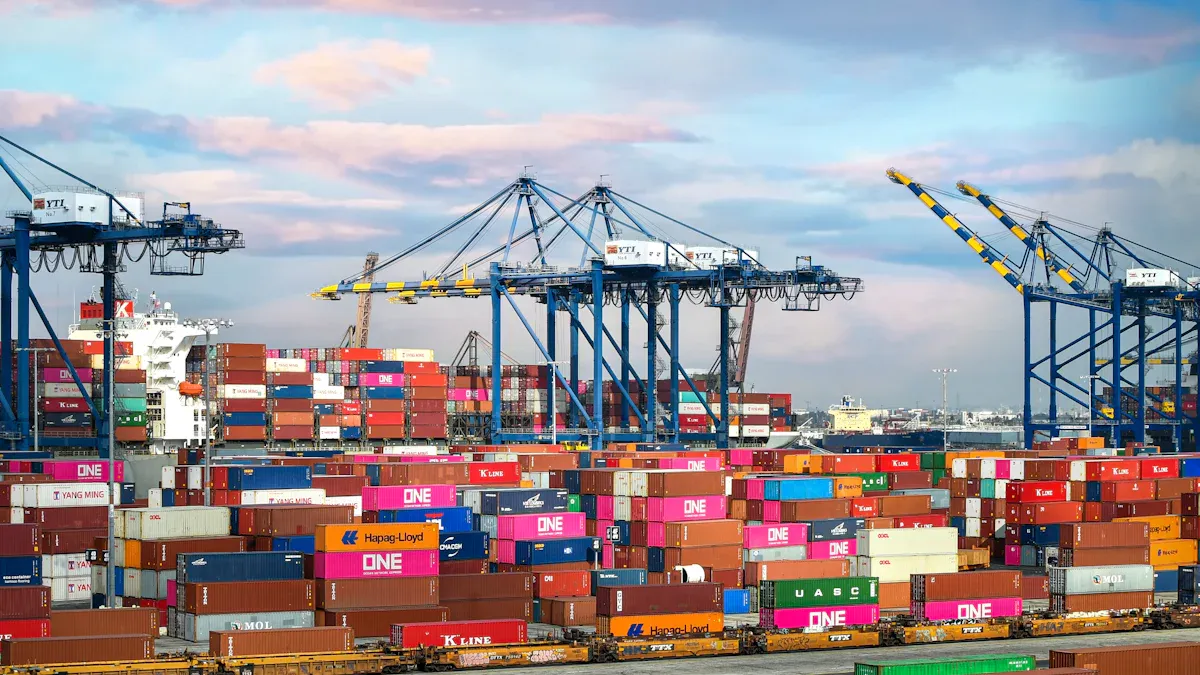
The freight quote is just one piece of the puzzle. To budget accurately, you must break down every expense that contributes to your total landed cost. These costs fall into four main categories.
Core Freight Charges
This is the base cost for moving your displays from Port A to Port B. The calculation method differs significantly between air and sea.
- ✈️ Air Freight: Airlines use chargeable weight. They compare the actual weight of your shipment to its volumetric weight (the space it occupies). You pay for whichever is greater. This prevents light, bulky items from being unprofitable to ship.
- 🚢 Sea Freight: For small orders (LCL - Less than Container Load), you pay based on the volume in cubic meters (CBM). For large orders (FCL - Full Container Load), you pay a flat rate for the entire container.
Origin Charges
These are fees you pay before your shipment even leaves the country of origin. Your supplier or freight forwarder handles these tasks.
Note: These costs include local trucking to the port, export documentation fees, and Terminal Handling Charges (THC). THC covers the cost of moving your container at the port.
Destination Charges
Once your displays arrive, you face a new set of costs to clear customs and get them to your store. A customs broker typically manages this process. Key charges include:
- Customs Brokerage Fees: Payment for the service of clearing your goods.
- Import Duties & Taxes: Calculated based on the product's value and its HTS classification code.
- Final Mile Delivery: The cost of trucking your displays from the destination port to your warehouse or retail location.
Risk and Overhead Costs
These variable costs can impact your final budget. A complete total landed cost calculation must account for them.
- Cargo Insurance: Protects you from loss or damage. Costs typically range from 0.3% to 1% of your shipment's value.
- Fuel Surcharges: Carriers add this fee to cover fluctuating fuel prices.
- Demurrage/Detention: Fees charged by the port or carrier if you do not pick up your container within the allotted free time. These can be $100-$300 per day, so quick turnaround is essential.
Understanding these components is the first step to calculating an accurate total landed cost.
Air vs. Sea: Calculate Total Landed Cost
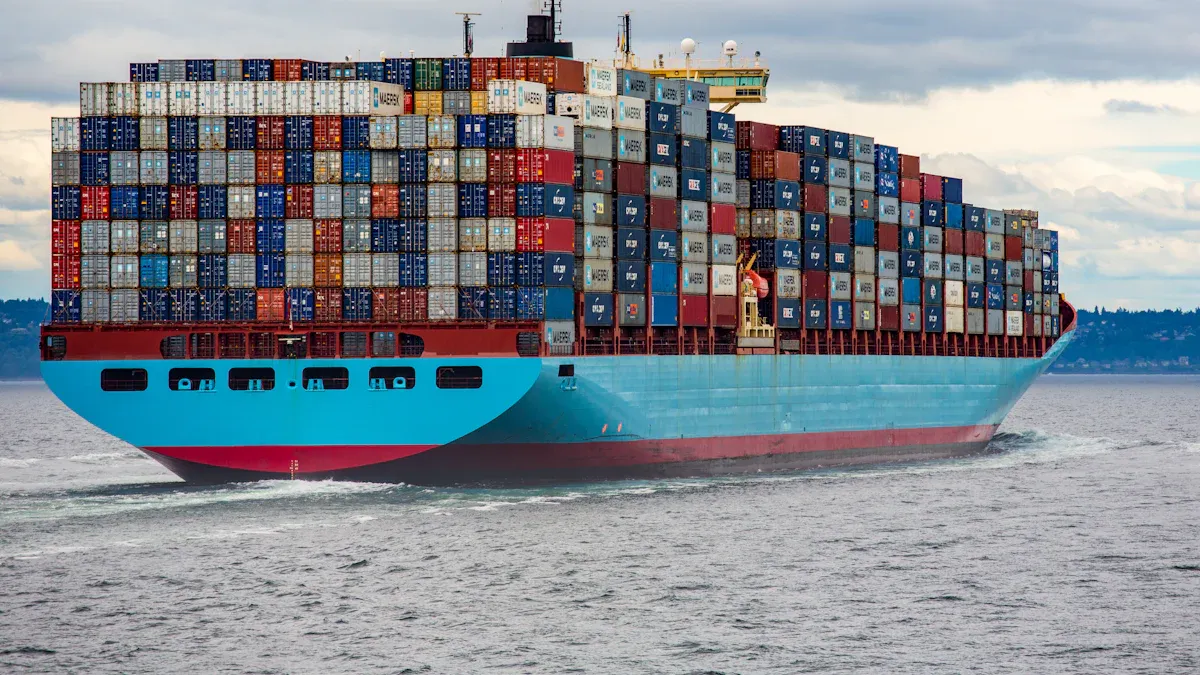
Now you can move from theory to practice. Calculating your total landed cost requires gathering specific data and applying it to each shipping method. This three-step process gives you the clarity needed to make a smart financial decision.
Step 1: Gather Shipment Details
You cannot get an accurate quote without precise information. Your freight forwarder will need a complete picture of your shipment. Before you request pricing, collect these essential details:
- Product Information: Note the exact measurements (length, width, height) and weight of your packaged displays.
- Volume and Quantity: Specify the total number of cartons or pallets and the total volume in cubic meters (CBM).
- Origin and Destination: Provide the full supplier address (origin) and the final delivery address (destination).
- Service Needs: Mention if you require special services like a liftgate for delivery or have specific operating hours.
Example: A standard A4 acrylic display might have dimensions of 320 x 50 x 240 mm and weigh 0.72 kg. For an order of 500 units, you must calculate the total weight and volume of all 500 packaged displays.
Step 2: Calculate for Air Freight
Air freight is priced based on chargeable weight. This is the greater of the actual weight or the volumetric weight. For a large order of acrylic displays, you will likely benefit from tiered pricing, where the cost per kilogram decreases as the shipment gets heavier.
Current rates from China to the USA show how this works.
| Weight Tier | Cost per KG (USD) |
|---|---|
| 15 kg and above | $9.1 / KG |
| 21 kg and above | $8.8 / KG |
| 75 kg and above | $7.6 / KG |
| 100 kg and above | $7.1 / KG |
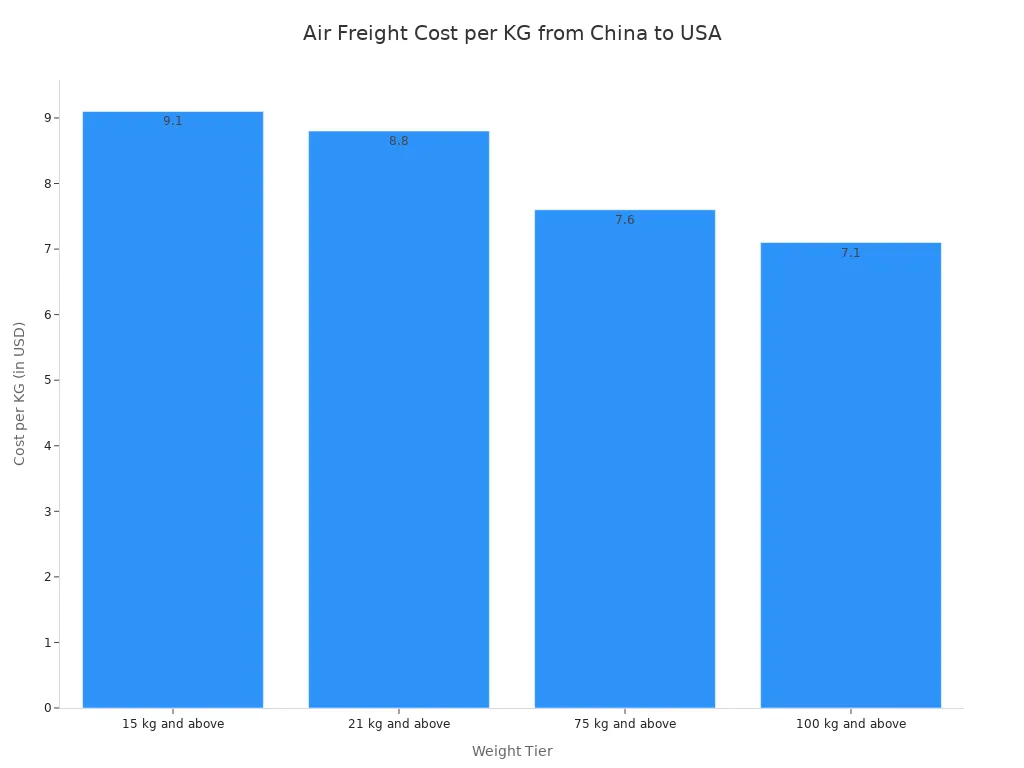
To calculate the cost, you multiply your chargeable weight by the appropriate rate. Then, you add other charges like fuel surcharges, security fees, and customs clearance costs.
Step 3: Calculate for Sea Freight
For Less than Container Load (LCL) sea shipments, you pay based on the volume your cargo occupies in cubic meters (CBM). Current LCL sea freight rates from China to the USA are approximately $45-$55 per CBM.
However, the CBM rate is only the beginning. LCL shipments involve many other fees at the destination port. You must account for these to avoid budget surprises.
- CFS Fees: The Container Freight Station (CFS) charges for unloading your goods from the container.
- Drayage Charges: This is the cost to truck your goods from the port to a local warehouse for customs clearance.
- Customs & Port Fees: These include customs brokerage, import duties, and potential surcharges for port congestion.
Worked Example: Shipping 500kg / 2.5 CBM of Displays
Let's compare the costs for a typical shipment of acrylic displays from a supplier in China to a warehouse in the USA.
Shipment Details:
- Commodity: Acrylic Displays
- Total Weight: 500 kg
- Total Volume: 2.5 CBM
- Origin: Shanghai, China
- Destination: Los Angeles, USA
Here is a sample cost breakdown. Note that these are estimates and your actual quote will vary.
| Cost Component | ✈️ Air Freight Estimate | 🚢 Sea Freight (LCL) Estimate |
|---|---|---|
| Core Freight Charge | 500 kg @ $7.1/kg = $3,550 | 2.5 CBM @ $55/CBM = $137.50 |
| Origin Charges | $300 | $250 |
| (Local Trucking, Export Docs) | ||
| Destination Charges | $450 | $700 |
| (Customs, Brokerage, THC) | ||
| Final Mile Delivery | $350 | $400 |
| (Trucking to Warehouse) | ||
| Insurance (Est. 0.5%) | $100 | $100 |
| Total Estimated Cost | $4,750 | $1,587.50 |
| Estimated Transit Time | 7-10 Days | 30-40 Days |
This example clearly shows that while sea freight has more individual fees at the destination, its overall cost is significantly lower for this size shipment. Air freight offers speed at a premium price.
Making the Final Decision
Your total landed cost calculation gives you the data. Now you must choose the right shipping method for your specific needs. The best choice balances cost, speed, and your business goals.
When to Choose Air Freight
You should choose air freight when speed is your top priority. It is the best option for time-sensitive situations where the higher cost is justified.
Consider air freight for these scenarios:
- Urgent Deadlines: You need to meet a tight product launch or event date. For example, a company successfully launched a new product by air-shipping hundreds of pallets of paper containers from China. This quick action ensured they met their strict deadline.
- Small, High-Value Shipments: The cost of air freight is less impactful for smaller orders of valuable displays.
- Replenishing Stock Quickly: You can avoid stockouts and lost sales by using air freight to restock popular items fast.
Tip: Air freight provides excellent cargo visibility. You can track your shipment easily, which reduces uncertainty during critical projects.
When to Choose Sea Freight
You should choose sea freight when your main goal is to lower your per-unit cost. It is the most economical choice for large, planned orders where you have flexible timelines.
Sea freight works best in these cases:
- Bulk Orders: Shipping in large quantities significantly reduces your cost per display. You benefit from optimized scheduling and efficient bulk-pack carton shipments on pallets.
- Long-Term Planning: You can plan your inventory needs months in advance. This allows you to absorb the longer transit times without disrupting your business.
Remember to account for transit time variations. Shipping from China to the USA can take several weeks.
| Destination Port | Average Transit Time |
|---|---|
| West Coast (e.g., Los Angeles) | 15-25 Days |
| East Coast (e.g., New York) | 30-40 Days |
Planning with these timelines in mind helps you use sea freight effectively and maximize your savings.
Choosing your shipping method is a key decision. Sea freight offers the lowest cost for your bulk display orders. Air freight provides unmatched speed for smaller, time-sensitive shipments. The most critical step is calculating the total landed cost. This calculation gives you an accurate budget and timeline for your project.
Use this guide for your next shipment. You can also contact our team for a detailed quote to plan your logistics with confidence.
FAQ
What is the most important factor when choosing a shipping method?
Your choice depends on your top priority. Choose air freight for speed and urgent deadlines. Select sea freight to lower your per-unit cost on large orders. You must balance your budget against your timeline.
How do I get an accurate shipping quote?
You get an accurate quote by providing complete shipment details. Give your freight forwarder the exact weight, dimensions, total volume, and origin/destination addresses. This information ensures you receive a precise price.
What is an HTS code and why does it matter?
An HTS code classifies your product for customs. This code determines the import duty rate you pay. An accurate HTS code is essential for correct budgeting and avoiding customs delays.
Can I handle customs clearance myself?
You can, but the process is very complex. We recommend using a customs broker. They manage all paperwork and ensure you follow customs rules. This service saves you time and helps you avoid expensive mistakes.