Acrylic vs Glass vs PETG Which Is Best in 2026

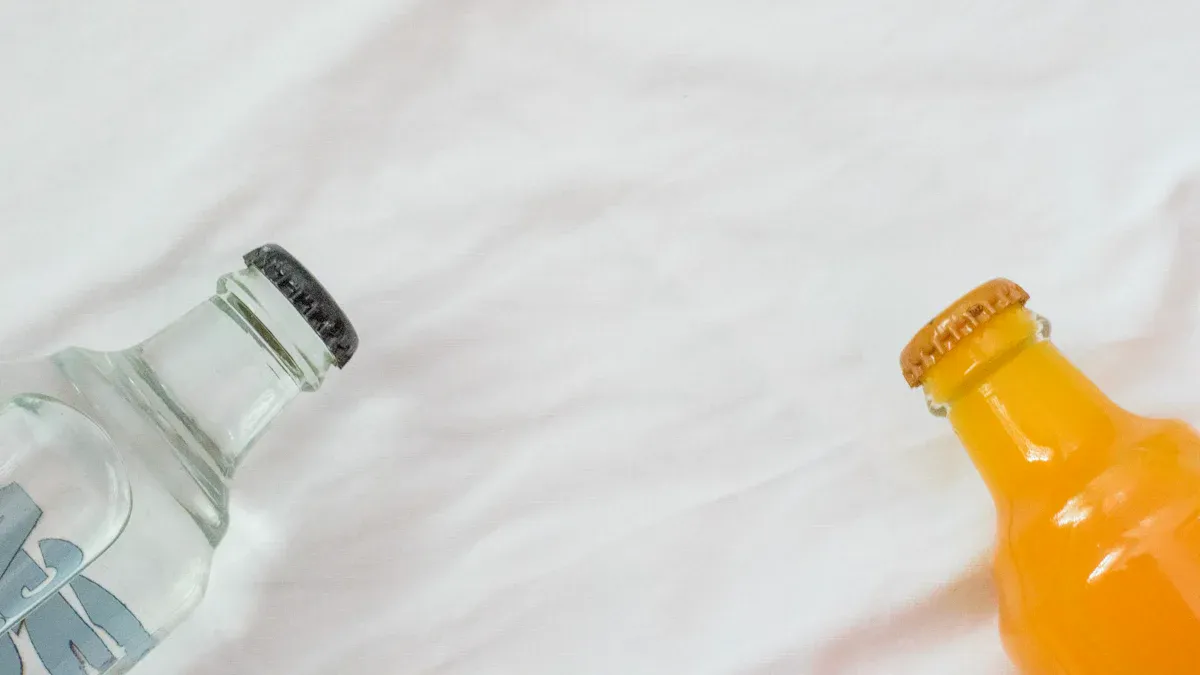
For most beauty brands in 2026, acrylic offers the best overall balance of aesthetics, cost, and design freedom. Its growing availability as a recycled material also aligns with consumer demands for sustainability. However, the "best" material truly depends on your brand's primary goal.
This guide helps you navigate the acrylic vs glass vs PETG decision. Choose glass for ultimate luxury, PETG for maximum durability, or acrylic for the best all-around value. Your top priority will determine your ideal investment.
ACRYLIC VS GLASS VS PETG
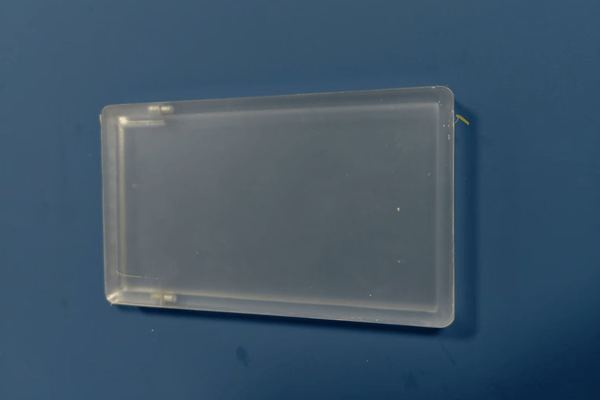
When you compare Acrylic vs glass vs PETG, you are choosing between three excellent but very different materials. Your brand's specific needs for appearance, strength, and cost will guide you to the perfect choice. This section breaks down how each material performs across key categories.
VISUALS & LUXURY FEEL
Your display's appearance is the first thing customers notice. This is where the "delicate artist" versus the "tough athlete" comparison comes into play.
Acrylic (The Delicate Artist): Acrylic offers exceptional optical clarity. High-quality acrylic panels transmit up to 92% of visible light, often appearing clearer than glass. Unlike glass, acrylic absorbs almost zero light, meaning your brand colors stay true even in thick displays. Its lower refractive index also contributes to its clean, crisp look.
Glass (The Premium Classic): Nothing communicates luxury quite like glass. It has a substantial, high-end feel that eco-conscious and premium brands love. Standard tempered glass transmits about 90-92% of light, but it can absorb more light as it gets thicker, which may add a slight green tint.
PETG (The Tough Athlete): PETG provides good clarity but does not match the pristine optical quality of acrylic. It is a functional material first and foremost, prioritizing strength over perfect aesthetics.
Note: For displays where perfect color representation is critical, acrylic is your best bet. The table below shows how glass absorbs light as thickness increases, while acrylic does not.
Thickness | Plate Glass (Absorption) | |
|---|---|---|
0.118" | 0% | 2% |
0.236" | 0% | 4% |
0.500" | 0% | 8% |
DURABILITY & IMPACT STRENGTH
How well will your display stand up to bumps, drops, or chemicals? The Acrylic vs glass vs PETG debate becomes very clear here.
PETG (The Tough Athlete): PETG is the undisputed durability champion. It is virtually shatterproof and can withstand significant impacts without cracking or breaking. Its superior molecular structure allows it to absorb sudden jolts. PETG also has excellent chemical resistance, making it the safest choice for displays that directly contact cosmetics with active ingredients.
Acrylic (The Delicate Artist): Acrylic is significantly more impact-resistant than glass but more brittle than PETG. It can crack or shatter under a sharp, sudden impact. However, acrylic has a harder surface. It is more scratch-resistant than PETG, making it a better option for long-term or outdoor use where minor abrasions are a concern.
Glass: Standard glass is brittle and shatters easily. While tempered glass is stronger, it can still break into many small pieces upon a strong impact, posing a safety risk in high-traffic retail environments.
FABRICATION & DESIGN
Your ability to create unique shapes depends heavily on the material you choose.
Acrylic: You can easily cut, bend, and mold acrylic into complex and creative shapes. This design freedom allows you to build truly unique displays without a massive budget. Its easy fabrication reduces labor costs.
PETG: Like acrylic, PETG is a thermoplastic that you can easily form and fabricate. It is especially good for thermoforming and creating durable, functional parts.
Glass: Glass is the most difficult and expensive material to fabricate. Cutting and shaping it requires specialized processes, which limits design possibilities and increases production costs significantly.
COST & OVERALL VALUE
When you look at the total project cost, the best value becomes apparent. The choice between Acrylic vs glass vs PETG often comes down to your budget.
Acrylic: Acrylic offers the best all-around value. While the raw material cost can be similar to glass, the total project cost is often 15-30% lower. This is because you save money on fabrication, shipping, and installation.
Glass: Glass is the most expensive option. Its heavy weight and fragility lead to higher costs at every stage.
Fabrication: Complex and costly.
Shipping: Expensive due to weight and the need for extra protective packaging.
Installation: Requires more labor and stronger support structures.
PETG: PETG sits in the middle. Its price is competitive, and it provides incredible value if your top priority is preventing breakage and ensuring chemical compatibility.
SAFETY & WEIGHT
Weight and safety are major factors in public spaces. Here, the lightweight plastics have a clear advantage over glass.
Glass: Glass is the heaviest material by far, with a density of around 2.53 g/cm³. A heavy display is more difficult to install and poses a greater risk if it falls.
Acrylic & PETG: These plastics are less than half the weight of glass. Acrylic has a density of 1.19 g/cm³, and PETG is similar at 1.27 g/cm³. This makes them safer, cheaper to ship, and easier to install.
For safety around cosmetic products, PETG stands out. It is BPA-free and complies with strict FDA and EU regulations (like EU 10/2011) for food and cosmetic contact, ensuring no harmful chemicals will migrate into your products.
DECISION GUIDE BY BRAND GOAL
Now you know how the materials compare. This guide helps you make the final choice. Your primary brand goal will point you to the right material in the Acrylic vs glass vs PETG debate.
FOR ULTIMATE LUXURY
🏆 Winner: Glass
If your brand communicates prestige and timeless quality, you should choose glass. Its substantial weight and cool touch provide a sensory experience that plastics cannot replicate. High-end and eco-conscious brands often prefer glass because it feels permanent and valuable.
However, you must be prepared for the trade-offs. Glass comes with significant challenges:
Fragility: Glass can crack or shatter, posing a safety risk in busy retail environments.
Weight: Its heavy weight makes displays difficult to move and install, increasing labor and shipping costs.
Cost: The production process for shaping and strengthening glass is complex and expensive. These high costs directly impact your project budget.
The Verdict: Choose glass when your budget allows for it and your top priority is creating an undeniable aura of luxury. Its drawbacks are part of what makes it an exclusive choice.
FOR BEST ALL-AROUND VALUE
🏆 Winner: Acrylic
For most brands, acrylic delivers the best return on investment (ROI). It gives you a premium, glass-like appearance without the high costs and weight. The total project cost is often 15-30% lower than glass because you save money on shipping, fabrication, and installation.
Acrylic displays also work harder to boost your sales. One study showed a product launch saw a 42% higher conversion rate when a serum was presented in a custom acrylic unit. The investment pays for itself over time.
Consider the long-term value of a custom acrylic display compared to a temporary paperboard one:
Display Type | Cost | Lifespan | Daily Cost |
|---|---|---|---|
Custom Acrylic | $180 | 5 years | ~$0.10 |
Paperboard | $25 | 1 month | ~$0.83 |
The Verdict: Choose acrylic if you want a beautiful, durable display that maximizes your budget. Its ability to be reused for pop-ups and events makes it a smart, long-term investment that quietly builds brand impressions.
FOR MAXIMUM DURABILITY
🏆 Winner: PETG
When your display needs to be virtually indestructible, you need PETG. It is the "tough athlete" of the three materials. PETG is shatterproof and has superior impact strength, making it perfect for high-traffic areas or displays that might get bumped.
Its biggest advantage for beauty brands is its excellent chemical resistance. You can place products with active ingredients directly on PETG without worrying about the material clouding or degrading. This makes it the safest and most reliable option for direct contact with cosmetics.
The Verdict: Choose PETG when your number one goal is preventing breakage and ensuring chemical safety. It is the ideal material for functional, long-lasting displays in demanding environments.
FOR COMPLEX SHAPES
🏆 Winner: Acrylic
If you can dream it, you can probably make it with acrylic. This material gives you incredible design freedom. You can easily cut, bend, and glue it to create unique, eye-catching shapes that make your brand stand out.
Many top beauty brands use acrylic to bring their creative visions to life.
MAC Cosmetics uses tinted acrylic layers to create beautiful gradient effects in its displays.
Sephora frames its augmented reality (AR) mirrors with acrylic.
Bodyography created a stunning curved acrylic display to hold its entire line of makeup brushes, with custom holes and screen-printed graphics.
The Verdict: Choose acrylic when you want to create a custom shape or a visually complex display. Its versatility allows you to build a unique brand experience without the high fabrication costs of glass.
FOR LIGHTWEIGHT DISPLAYS
🏆 Winner: Acrylic & PETG
For pop-up shops, trade shows, or any display that needs to be moved, weight is a critical factor. Both acrylic and PETG are excellent choices here. They are less than half the weight of glass, which provides several key benefits:
Lower Shipping Costs: Lighter packages cost less to ship.
Easier Installation: Your team can set up and move displays without heavy lifting.
Increased Safety: A lightweight display is less of a hazard if it accidentally falls.
While many portable displays use fabric and aluminum frames, acrylic is the top choice for showcasing products in these settings. It offers a perfect mix of durability, low weight, and a high-end look, making it ideal for custom product holders, signs, and merchandising systems in any temporary location.
The Verdict: Choose acrylic or PETG for any display that needs to be portable. Their low weight makes them practical, safe, and cost-effective for events and temporary retail spaces.
Acrylic remains your best all-around choice for beauty displays. It provides a superior balance of aesthetics, cost, and design freedom. As you make your final investment, let your primary goal guide you.
Your Final Checklist:
Ultimate Luxury? Choose Glass.
Maximum Durability? Choose PETG.
Best All-Around Value? Choose Acrylic.
Looking ahead, innovations like recycled acrylic (rPMMA) and bio-based plastics are making materials more sustainable. This push for a circular economy ensures your choice can align with future eco-conscious demands.
FAQ
Which material is most scratch-resistant?
Glass offers the best scratch resistance. Between the two plastics, acrylic has a harder surface and resists scratches better than PETG. This makes acrylic a great choice for long-term displays where you want to maintain a clean, polished look.
Is acrylic the same as Plexiglas?
Yes. "Plexiglas" is a popular brand name for acrylic sheet. The material itself is acrylic, also known as PMMA. You can trust that the properties we discuss for acrylic also apply to materials branded as Plexiglas, Lucite, and other trade names.
Which material is best for outdoor displays?
Tip: Choose acrylic for any outdoor application.
Acrylic has excellent weather and UV resistance, meaning it will not yellow or become brittle in the sun. PETG is not recommended for long-term outdoor use, as it can degrade with prolonged UV exposure.
Which material is the most eco-friendly?
Each material offers a path to sustainability. Your best option depends on your brand's goals.
Glass: Infinitely recyclable and communicates a premium, sustainable feel.
Acrylic: Available as recycled acrylic (rPMMA), which supports a circular economy.
PETG: A #1 plastic, making it one of the most widely recycled plastics.