Choosing Acrylic vs Glass vs PETG for Your Vitrine


When deciding on your retail display, the choice of acrylic vs glass vs petg is critical. You will find that acrylic provides the best overall value for most retail signage. However, you should choose PETG for its superior durability in high-traffic areas. The extreme strength of PETG protects your investment. For specific luxury applications, glass remains a premium choice. This makes acrylic the versatile go-to material.
Acrylic vs Glass vs PETG: A Head-to-Head Comparison
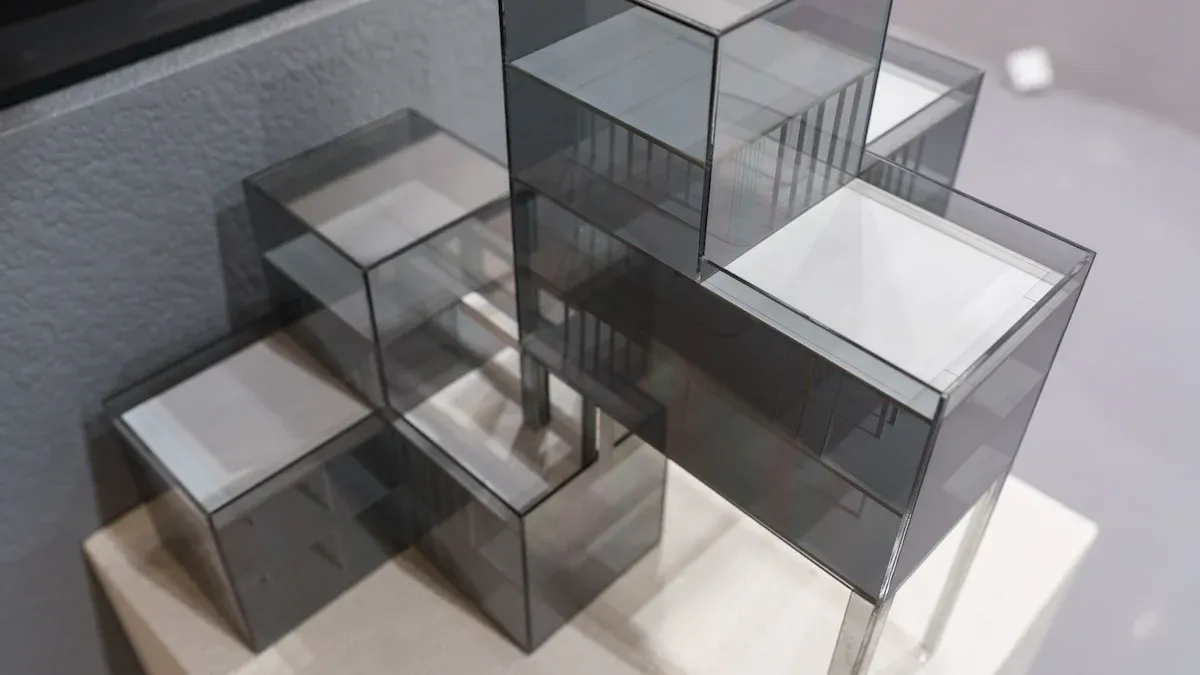
To make the best choice, you need to see how these materials stack up against each other. Each one has unique strengths and weaknesses that affect its performance in a retail setting. This direct comparison will help you weigh the pros and cons for your specific needs.
Here is a quick overview of the key differences in the acrylic vs glass vs petg debate:
Feature | Premium Acrylic | Extra Strength PETG | Tempered Glass |
|---|---|---|---|
Impact Strength | Good | Exceptional | Fair (Can shatter) |
Optical Clarity | Excellent (92%) | Very Good (90%) | Good (Varies) |
Weight | Lightweight | Lightweight | Heavy |
Scratch Resistance | Good | Fair | Excellent |
Fabrication | Excellent | Very Good | Poor |
Cost | $ | $ | $$ |
Strength Test: Acrylic vs Polycarbonate vs PETG
When you think about strength, you are really thinking about durability and impact resistance. You want a material that can handle bumps and knocks in a busy store. In this area, PETG is a clear winner over acrylic. Standard acrylic is strong, but it can become brittle. PETG, on the other hand, is a very tough and durable material. It has an impact strength about five times greater than premium acrylic, making it extremely difficult to break.
To understand its toughness, it helps to compare PETG to polycarbonate, which is famous for its impact strength. While polycarbonate is technically stronger, PETG offers a fantastic balance of strength and usability. Material tests measure this strength, known as tensile strength.
Note: Scientists use standard tests like ASTM D256 (Izod Impact) and ASTM D6110 (Charpy Impact) to measure a material's ability to resist a sudden impact. These tests confirm the superior impact strength of materials like PETG and polycarbonate.
Optical Clarity and Aesthetics
The appearance of your vitrine is crucial. You want your products to look their best. For the highest optical clarity, premium acrylic is the top choice. It allows nearly 92% of visible light to pass through, which is even better than many types of glass. This means your products look brighter and their colors appear truer.
Material | Light Transmittance Percentage |
|---|---|
Standard Acrylic | Nearly 92% |
PETG | Around 90% |
PETG also offers excellent clarity, letting about 90% of light through. The main difference in appearance is the edge. Premium acrylic has a highly polished, water-clear edge that gives it a premium look. Glass, especially as it gets thicker, can have a green or grey tint and absorbs more light, which can slightly dull the appearance of what's inside. Over time, you may also worry about yellowing. Luckily, you can get special UV-resistant grades of both acrylic and PETG that prevent discoloration from sunlight.
Weight and Installation Ease
Weight is a major factor for installation and shipping. Glass is very heavy. This makes it difficult to install and expensive to ship. Heavier materials also require stronger, more robust fixtures to support them.
In contrast, both acrylic and PETG are incredibly lightweight. They weigh less than half as much as glass. This offers you two big advantages:
Lower Shipping Costs: Lighter packages reduce your shipping budget.
Easier Installation: Your team can handle and install acrylic or PETG panels more easily and safely, often without needing specialized equipment.
Fabrication and Design Flexibility
Your design ideas should not be limited by your material. Here, plastics offer far more freedom than glass. You can cut, drill, and shape both acrylic and PETG with common tools.
However, they behave differently with certain techniques.
Laser Cutting: You can laser-cut acrylic to get a perfect, flame-polished edge right from the machine. This saves time and creates a beautiful finish. PETG can also be laser-cut, but it requires lower power to avoid discoloration.
Heat Bending: When you bend the materials with heat, PETG often performs better. It maintains its impact strength after bending, while acrylic can become weaker at the bend. This makes extra strength PETG a great choice for designs with curved surfaces.
Cost-Effectiveness and Long-Term Value
Your budget is always a consideration. When looking at the initial cost, acrylic is often a very affordable option. The price depends on the thickness and type, but it provides great value.
Material Type | Thickness | Price per sq. ft. |
|---|---|---|
1/4 inch | From $6.24 | |
Frosted Acrylic/Plexiglass | 1/4 inch | From $25.01 |
However, you should also think about long-term value. PETG may have a slightly higher upfront cost than standard acrylic, but its superior durability can save you money over time. Because it resists impact so well, you will spend less on repairs and replacements. While replacing a glass panel is very expensive, replacing an acrylic panel is much more affordable. The long-term durability of PETG makes it a smart investment, especially in high-traffic areas.
Maintenance and Scratch Resistance
Keeping your vitrines looking new is important for your store's appearance. When it comes to scratch resistance, the materials differ significantly. Acrylic has a harder surface than PETG. This gives it better scratch resistance against everyday wear and tear.
Material | Rockwell R Hardness |
|---|---|
115 | |
PETG | 106 |
PETG is a softer material, which makes it more likely to scratch. This is the trade-off for its incredible impact strength.
For cleaning, simple is best for both materials.
Safe Cleaning: Use mild soap and warm water with a soft microfiber cloth.
Chemicals to Avoid: Never use alcohol-based cleaners on either acrylic or PETG, as they can cause tiny cracks to form. PETG has better overall chemical resistance, but it's always safest to stick with soap and water.
If you do get a fine scratch on a premium acrylic surface, you can often polish it out using special compounds like Novus 2 Fine Scratch Remover. This is much harder to do with PETG.
Matching the Material to Your Retail Space

Choosing the right material depends entirely on where and how you will use the display. The debate over acrylic vs glass vs petg is best solved by looking at your specific retail environment. You can match the material to your space to solve business problems like breakage or poor product appearance.
High-Traffic Counters: Why PETG Wins
For busy areas like checkout counters in convenience stores or supermarkets, you need extreme durability. This is where extra strength PETG shines.
PETG is the perfect solution for protecting high-value items like tobacco products or electronics. Its superior impact strength means it can handle bumps and knocks without breaking. PETG is considered virtually unbreakable under normal conditions. It flexes slightly under impact and returns to its shape. This protects your investment and reduces replacement costs. Furthermore, PETG has excellent chemical resistance, so you can clean it frequently without causing damage.
General Displays: The Case for Acrylic
For most general in-store displays, premium acrylic offers the best combination of features. It provides a high-end, professional appearance without the high cost of glass.
Enhances Products: The exceptional clarity of premium acrylic makes products like cosmetics and fashion accessories look their best. Its polished edges create a clean, modern look that draws customer attention.
Versatile Design: You can use premium acrylic for all kinds of retail signage and displays, from simple clear plastic sign holders to complex, multi-tiered merchandisers.
Great Value: Premium acrylic delivers a fantastic look for its price, making it a smart choice for large-scale rollouts in retail chains.
The right acrylic display makes your product the star.
Luxury Vitrines: The Role of Glass
When you want to convey ultimate luxury and security, glass is the traditional choice. High-end brands use glass to create a feeling of quality and prestige. The weight and crystal clarity of a glass display communicate value before a customer even touches the product. For securing expensive items like jewelry or watches, you can use advanced options like laminated glass. This multi-layered construction resists forced entry and holds together even if it cracks, providing top-tier protection for your most valuable merchandise.
Making your final decision in the acrylic vs glass vs petg debate is now straightforward. You will find acrylic is the versatile all-rounder for most retail needs, offering a lightweight and shatter-resistant option. Choose PETG when you need maximum durability in high-risk areas. Glass remains the classic choice for a premium display that conveys elegance.
Final Verdict 💡
Acrylic: The versatile choice for general displays.
PETG: The durability champion for high-traffic zones.
Glass: The premium option for luxury applications.
Ready to select the perfect material for your vitrine? Contact our experts for a personalized quote.
FAQ
Which material is the strongest?
For the highest impact strength, you should choose PETG. It is about five times stronger than acrylic and is virtually unbreakable. This makes it the best choice for high-traffic areas where you need maximum durability to prevent breakage and protect your products.
What is the clearest material for a display?
Premium acrylic offers the best optical clarity. It allows 92% of light to pass through, making your products look bright and vibrant. You will notice its edges are also highly polished and clear, giving your vitrine a very professional and high-end appearance.
Which material scratches the easiest?
PETG is the softest material, so it scratches more easily than acrylic or glass. You trade some scratch resistance for its superior strength. Acrylic offers good scratch resistance for everyday use. Glass provides the best protection against scratches but can shatter on impact.
Is acrylic cheaper than glass?
Yes, acrylic is a more cost-effective option than glass. You will find that acrylic offers a great look for a lower price. Its lightweight nature also reduces your shipping and installation costs, providing excellent long-term value for most general retail displays.