Acrylic vs Glass vs PETG for Counters

When choosing materials, you want the best balance of cost, clarity, and ease of use. Acrylic offers this for most counter and fixture applications. The debate of acrylic vs glass vs PETG depends on your specific needs. PETG provides superior strength for high-impact areas. Tempered glass delivers a premium, scratch-resistant finish for luxury displays.
Note: Making the right material choice helps you maximize profitability. It also ensures your clients are satisfied with their final product. This guide helps you select the perfect material for every project.
Acrylic vs Glass vs PETG: A Direct Comparison
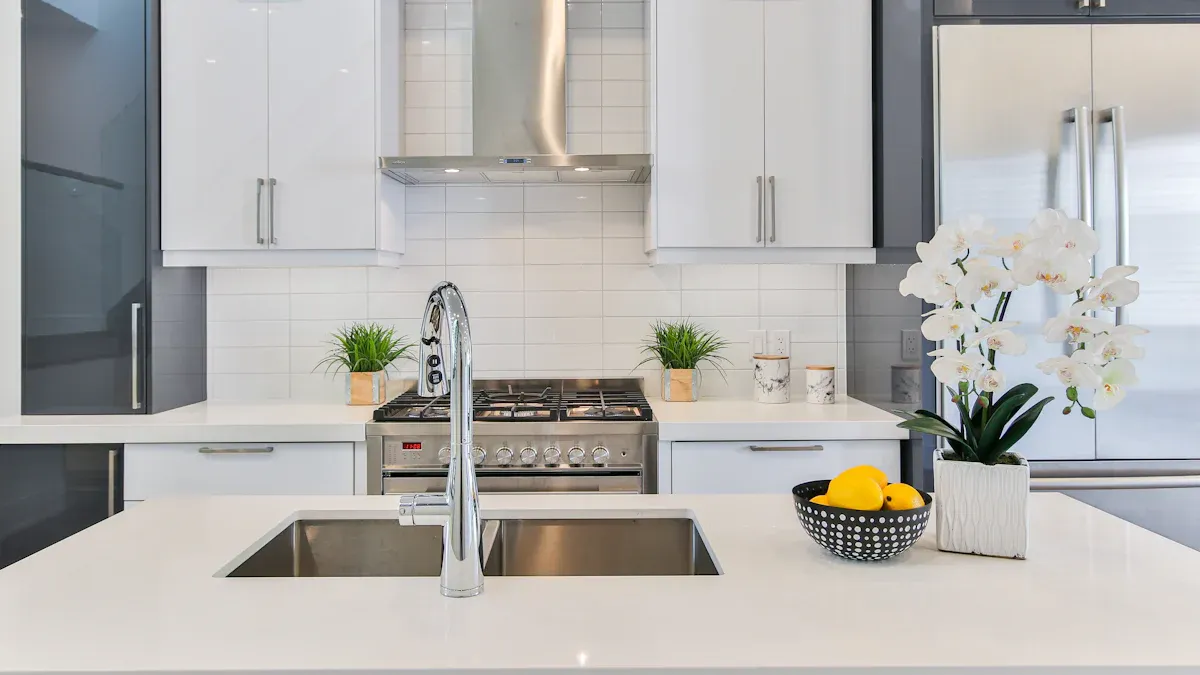
Choosing the right material directly impacts your project's durability, cost, and appearance. This section breaks down the key differences in the Acrylic vs glass vs PETG debate to help you make an informed decision for your fixtures.
Impact Strength and Durability
You need counters that can withstand daily use. PETG is the clear winner for toughness. It is virtually unbreakable and can be 5 to 7 times more impact-resistant than acrylic of the same thickness. This makes it ideal for high-traffic environments like schools, retail displays, or protective barriers.
Acrylic offers good durability for most standard applications. It is significantly stronger than standard glass. However, it can crack or chip under sharp impact. Tempered glass provides excellent strength and a unique safety feature. When it breaks, it shatters into small, dull cubes rather than dangerous shards.
Quick Comparison: Impact Strength The Izod Impact Test measures a material's resistance to a sudden blow. A higher number means greater strength.
Material
Acrylic
PETG
1.2
Cost-Effectiveness and Ownership
Your budget is a primary concern. Acrylic provides the best overall value. It balances performance with an affordable price point. For example, a 1/4-inch thick acrylic sheet often costs around $5.00 per square foot.
PETG is typically more expensive than acrylic but cheaper than tempered glass. You choose PETG when its superior impact strength justifies the added cost. Tempered glass is a premium material. Its higher price reflects its scratch resistance and luxury feel. You should also consider the total cost of ownership. The lighter weight of acrylic and PETG can reduce shipping and installation expenses compared to heavy glass.
Fabrication, Bending, and Installation
Ease of fabrication saves you time and money. Acrylic and PETG are champions in this category. You can cut, drill, and shape them with standard workshop tools.
Acrylic: You can cut acrylic with a scoring knife for straight lines or use a table saw. Its edges can be sanded and polished to a crystal-clear, glossy finish.
PETG: This material is excellent for bending. You can cold-bend thin sheets or heat-bend thicker ones without worrying about whitening or cracking.
Tempered Glass: You cannot cut or drill tempered glass after it has been heat-treated. All fabrication must happen before the tempering process. This requires precise planning and leaves no room for on-site adjustments. Its weight also makes installation more complex and labor-intensive.
Visual Clarity and Aesthetics
The look of your fixture is crucial for displaying products. Acrylic offers exceptional optical clarity with a light transmittance rate of 92%. This is often clearer than standard glass, which can have a slight green tint. Acrylic provides a brilliant, high-gloss finish that mimics the look of glass perfectly.
For the ultimate luxury appearance, you should choose low-iron tempered glass. This special glass removes the green hue, providing unmatched clarity and true color rendering. It makes products look vibrant and is a top choice for high-end jewelry and fashion displays. PETG offers good clarity, but it does not have the same pristine, glass-like surface as acrylic.
Weight and Structural Needs
Material weight affects everything from shipping costs to the design of the support structure. Acrylic and PETG are incredibly lightweight. They weigh less than half as much as glass of the same thickness.
This significant weight difference offers several advantages:
Lower Shipping Costs: Lighter materials are cheaper to transport.
Easier Handling: Your team can move and install acrylic or PETG panels more easily.
Less Structural Support: You can design fixtures with less bulky support systems, saving on material costs and creating a sleeker look.
Glass counters require robust, heavy-duty support structures to handle their weight, which can limit design flexibility. The Acrylic vs glass vs PETG decision often comes down to this practical factor.
Material (1/4" thick) | |
|---|---|
Acrylic | 1.5 |
PETG | 1.5 |
Tempered Glass | 2.9 |
Scratch and Chemical Resistance
No material is perfect, and scratch resistance is a key trade-off in the Acrylic vs glass vs PETG comparison.
Tempered Glass: Glass is the undisputed winner here. It is highly resistant to scratches from daily use, making it perfect for transaction counters and high-contact surfaces.
Acrylic: Acrylic has a good surface hardness, with a Rockwell hardness rating around M95-M100. It resists scratches better than PETG but can be scratched by sharp objects. Luckily, you can often buff out minor scratches from acrylic.
PETG: The trade-off for PETG's incredible impact strength is a softer surface. It scratches more easily than acrylic. You should avoid using it for surfaces that will see a lot of abrasive contact.
Regarding chemicals, glass is nearly inert. Both acrylic and PETG can be damaged by harsh solvents like ammonia (found in some glass cleaners), so you must use proper cleaning agents.
Summary: Which Material Wins by Category?
To simplify your decision, this section provides a quick summary of the acrylic vs glass vs PETG debate. You can see which material comes out on top for the factors that matter most to your project. Use this guide as a quick reference to make the best choice for your fixtures.
The Winner for Durability
Winner: PETG 🏆
You need a material that resists breaking. PETG is the champion of impact strength. It is virtually unbreakable, making it the safest choice for high-traffic areas or security applications. While tempered glass is strong, it can still shatter under extreme force. PETG offers superior shatter resistance for maximum safety.
The Winner for Cost
Winner: Acrylic 🏆
You want the most value for your budget. Acrylic is the clear winner for cost-effectiveness. It provides excellent performance at a more affordable price than PETG or tempered glass. Your savings also extend to fabrication and installation. Acrylic's lighter weight and ease of handling reduce labor costs, making it the most economical choice for most projects.
The Winner for Fabrication
Winner: Acrylic 🏆
You need design flexibility without high costs. Acrylic is the easiest material to fabricate. You can cut, drill, and shape it with standard tools. Laser cutting acrylic allows for incredibly precise and intricate designs with clean, polished edges, which is difficult with other materials. This makes it perfect for creating custom fixtures efficiently.
The Winner for Visuals
Winner: Acrylic 🏆
You want your products to look their best. Acrylic offers the best combination of clarity and value. With a light transmission rate of 92%, it is often clearer than standard glass and provides a brilliant, glossy finish. While specialty low-iron glass offers the absolute highest clarity, acrylic delivers a premium, glass-like look at a much better price point.
At-a-Glance Comparison
Use this table to quickly compare the materials. More stars (⭐) mean better performance in that category.
Feature
Acrylic
PETG
Tempered Glass
Impact Strength
⭐⭐⭐
⭐⭐⭐⭐⭐
⭐⭐⭐⭐
Cost-Effectiveness
⭐⭐⭐⭐⭐
⭐⭐⭐
⭐⭐
Ease of Fabrication
⭐⭐⭐⭐⭐
⭐⭐⭐⭐
⭐
Visual Clarity
⭐⭐⭐⭐
⭐⭐⭐
⭐⭐⭐⭐⭐
Scratch Resistance
⭐⭐⭐
⭐⭐
⭐⭐⭐⭐⭐
Lightweight
⭐⭐⭐⭐⭐
⭐⭐⭐⭐⭐
⭐⭐
Your final choice in the acrylic vs glass vs PETG debate depends on your project's main goal. For most general-purpose counters, acrylic provides the best balance of performance and value. You can make the right selection by focusing on your primary need.
Choose Acrylic for: The best combination of optical clarity, design flexibility, and overall value.
Choose PETG for: Maximum durability and safety in high-traffic retail, schools, or for curved designs.
Choose Glass for: Luxury fixtures where scratch resistance is the top priority and budget is not a constraint.
FAQ
Can I use these materials for food displays?
Yes, you can. Both acrylic and PETG are excellent choices for food-safe applications like sneeze guards or bakery cases. They do not contain harmful chemicals like BPA. You should always confirm the material's specific food-safe rating with your supplier before use.
How do I clean these different counter materials?
You must clean plastics and glass differently. For acrylic and PETG, use mild soap and water with a soft microfiber cloth.
Warning: Never use cleaners containing ammonia or harsh solvents on acrylic or PETG. These chemicals can cause permanent damage and cloudiness. Glass can handle standard glass cleaners.
Is PETG really that much stronger than acrylic?
Yes, it is significantly stronger. PETG offers 5 to 7 times the impact resistance of acrylic. This makes it the best choice for environments where you expect high impact or need maximum safety, as it is nearly impossible to break.
Why is tempered glass so expensive?
You pay more for tempered glass due to its complex manufacturing. The material undergoes a special heating and rapid cooling process to increase its strength and safety. Its heavy weight also adds to shipping and installation costs, increasing the total project price.