Acrylic Trophy vs Crystal Trophy What Sets Them Apart

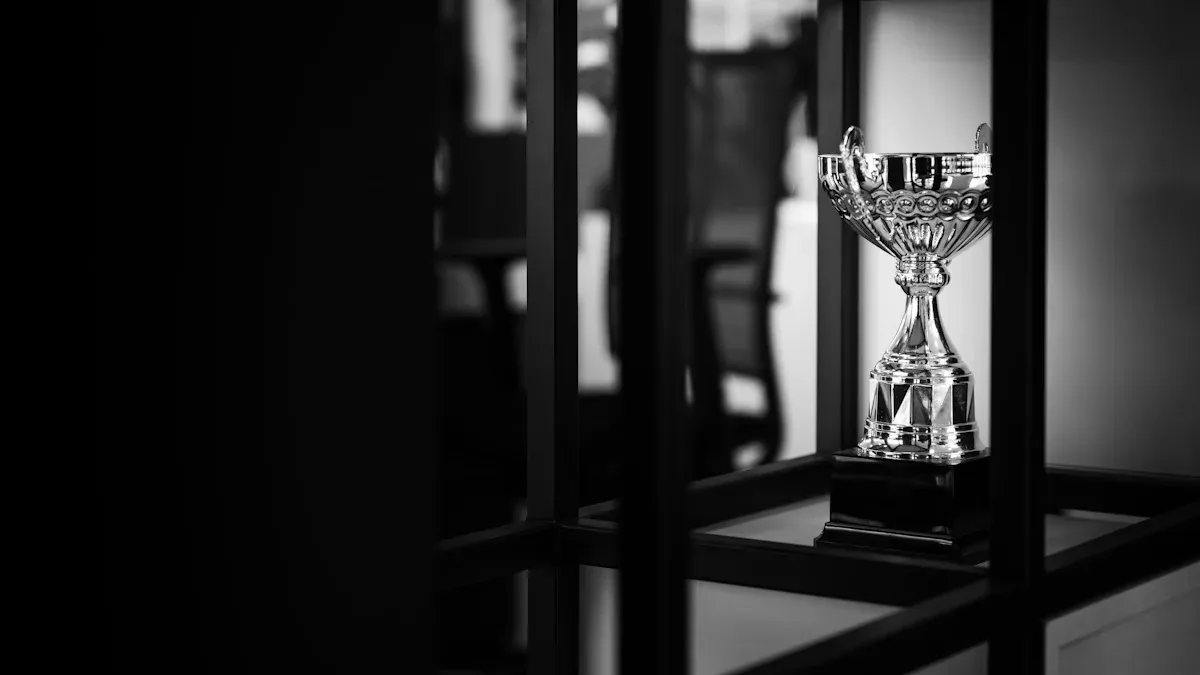
A buyer sits at a desk on a quiet afternoon, looking through an awards catalog. Two trophies catch their eye: one made of etched glass, one made of sleek acrylic. The crystal piece sparkles each time it turns. The Acrylic Trophy shines with a smooth, glass-like clarity. Both seem worthy of recognition. The buyer hesitates, not sure which one fits the event.
The truth is simple. Acrylic and crystal trophies differ in material, look, weight, durability, customization, price, and care. Each feature matters during packaging, presentation, and years on a shelf. A careful side-by-side review of these points gives any organizer the confidence to choose the right award.
Key Takeaways
Acrylic trophies are light and don't break easily, making them great for shipping and handling.
Crystal trophies shine more and feel heavier, so they are perfect for fancy events and high honors.
Acrylic trophies cost less and are easy to make your own with colors, shapes, and engraving.
Crystal trophies need gentle care to avoid chips, while acrylic trophies are more forgiving.
Pick acrylic for sports, schools, and company awards; pick crystal for CEO awards and fancy events.
Material Composition
Material composition is the most basic difference between acrylic and crystal awards. Acrylic is made from a synthetic polymer called polymethyl methacrylate, or PMMA. Crystal is made from optical glass or traditional leaded glass. This difference affects clarity, weight, durability, and final cost.
Acrylic: PMMA and Lucite
TOYIN makes its Acrylic Trophy from high-grade polymethyl methacrylate, which many people know as Lucite. Workers cut cast PMMA sheets using CNC and laser tools. They polish every edge to a clean, smooth finish. PMMA lets through about 92 percent of visible light. It often looks clearer than standard glass. The material resists shattering. This gives organizers peace of mind when handling and shipping.
Acrylic allows complex molding that glass cannot match. A buyer can ask for geometric shapes, layered color panels, or a company emblem with fine laser engraving. TOYIN Acrylic Products Co., Ltd. supports these requests with custom fabrication services. The factory can turn a concept into a finished acrylic piece quickly. At about 1.2 grams per cubic centimeter, PMMA weighs about half as much as crystal. Low weight cuts shipping costs. It also makes setup easier at an event.
Crystal: Optical and Lead Glass
Crystal trophies depend on optical crystal glass or traditional lead crystal. Lead oxide raises the refractive index above 1.5. This creates a brilliant sparkle and prismatic fire. Modern optical crystal reaches a similar refractive index without lead. It uses high-purity glass compounds. Each trophy requires cutting, grinding, polishing, and annealing. This labor-intensive process raises production time and price.
Crystal cannot take on complex shapes as easily as acrylic. Shaping depends mostly on cutting and etching. These methods limit design possibilities. The material's density, about 2.5 grams per cubic centimeter, gives it a heavy, premium feel. Many award ceremonies prefer that weight. However, crystal chips and breaks more easily than acrylic. Buyers often ask about this fragility when comparing polished options. The Acrylic Trophy suits sports events, corporate awards, and academic ceremonies where endurance matters. Crystal shines in formal, high-prestige presentations where elegance leads.
Appearance and Clarity
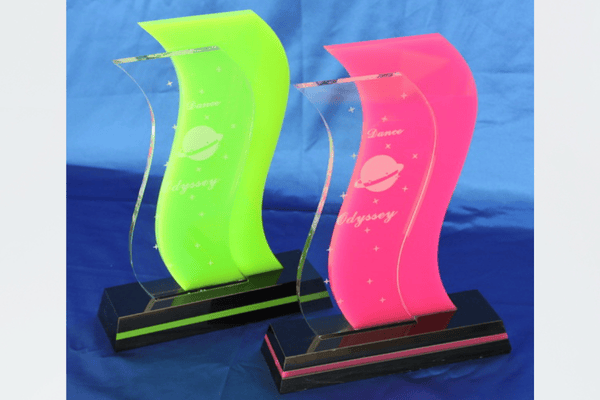
Appearance and clarity decide how each trophy catches the eye. An acrylic award shows a clean, modern shape. A crystal piece gives off a bright, radiant glow. The choice often comes down to the light effect the organizer wants for the ceremony.
Acrylic Trophy Look Under Light
Acrylic has a clear, modern look that is close to glass. Light moves easily through the material and coats the surface with a bright, polished finish. The trophy looks sleek and classy from every angle. Buyers who want a high-end look but not a high price often pick this option. TOYIN's Acrylic Trophy is polished to create a flawless surface and boost the glass-like clarity.
Yet acrylic has subtle optical limits. Its plastic-based material does not create the same visible shimmer as crystal. It also looks a bit more cloudy in a side-by-side test. Even so, many event planners think the visual gap is smaller than expected. At a normal distance, an acrylic award holds its own against glass. It makes an elegant statement that fits corporate awards, academic honors, and sports banquets.
Crystal Sparkle and Elegance
Crystal, though, takes light to another level. Its special, highly geometric molecular structure creates an obvious shimmer as light passes through. The result is a bright, crisp glow that grabs attention. Leaded or lead-free, crystal bends light sharply and spreads it into a brilliant display. This sparkle gives the trophy a very strong premium feel that many formal ceremonies value.
A direct comparison shows the visual difference very clearly:
Property | Crystal | Acrylic |
|---|---|---|
Light refraction | Greater refraction and shimmer | Lower refraction than crystal |
Brilliance under direct light | Edges out acrylic | Close in clarity, less radiant |
Overall look | Luxurious, traditional elegance | Modern, clean cast |
Specular reflection adds to the drama. When light rays hit a smooth crystal surface, they bounce off at the same angle. This produces a dazzling, polished shine. Faceted edges reflect light in many directions. That creates a sparkle like a diamond. These properties make crystal the choice for formal events where the trophy must become the centerpiece. Acrylic wins in durability and value. Crystal wins in pure visual appeal.
Weight and Durability
Weight and durability affect how a trophy feels in your hand and how long it lasts. These two things often help you decide which material works for a shipping-heavy program or a formal stage.
Lightweight Acrylic Strength
Acrylic weighs about half as much as glass. A 10-inch crystal award weighs 4 to 6 lbs, but a same-size Acrylic Trophy stays under 1 lb. That gap of at least 3 lbs lowers shipping costs and makes handling safer for event staff.
Strength supports the low weight. Acrylic has higher impact resistance than glass, and its shatter-resistant build protects awards in transit. A dropped acrylic award is far less likely to shatter than a crystal one. This toughness works well for sports events, school ceremonies, and corporate programs where awards travel by mail.
Material | Weight for a 10-inch award |
|---|---|
Crystal | 4-6 lbs |
Acrylic, same size | under 1 lb |
Heavy Crystal Fragility
Crystal feels denser and heavier than acrylic. That weight raises perceived value on a display table. It also raises chipping and breakage risk. Crystal remains fragile: a single drop can chip an edge or crack a polished face. Shipping requires careful packaging, and heavier weight adds freight expense.
Acrylic resists chipping better than crystal, though its surface is softer and can scratch. It also stands up well to UV exposure when made with quality materials. Buyers who worry about long-term appearance often ask which material holds up best. TOYIN Acrylic Products Co., Ltd. answers that question with dedicated quality-control checks. That process reduces after-sale care issues and keeps every award showroom-ready.
Acrylic Trophy Customization Options
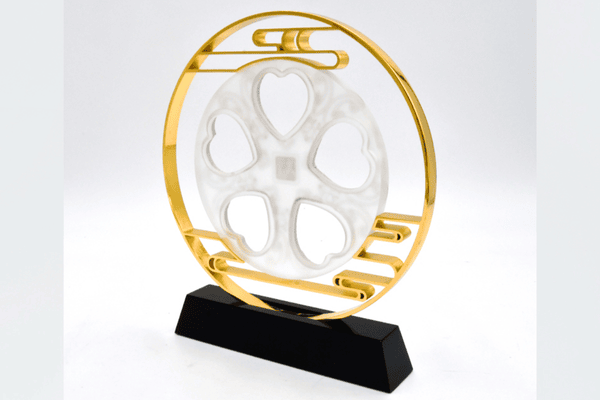
Customization turns a plain award into a personal keepsake. TOYIN Acrylic Products Co., Ltd. gives buyers many choices to create a unique Acrylic Trophy that fits their event theme.
Colors, Shapes, and Thickness
Acrylic is cut from cast PMMA sheets that can be sized and shaped to custom dimensions. Thickness can be chosen to match the intended feel. A thinner sheet works for budget-friendly, high-volume recognition. A thicker sheet creates a solid, heavy feel for prestige awards.
Clear acrylic gives a classic professional look with high clarity. UV printing can add color accents such as school or brand colors, and special finishes can give the award a distinctive texture.
Shape flexibility makes acrylic stand out. CNC and laser cutting allow custom logo outlines, plaques, and complex multi-element designs, including cutouts.
Engraving and Printing Methods
Personalization methods include engraving and UV printing. Engraving is a clean, permanent way to add recipient names, dates, messages, and logos. UV printing adds full-color graphics and photographic images.
TOYIN provides custom design services. The design team turns client needs into finished concepts quickly. For buyers seeking a custom acrylic award, these options cover almost every need. The factory's experience ensures high-quality results and competitive prices.
Price and Value
Price often decides which award an organizer buys. Acrylic and crystal sit at opposite ends of the cost spectrum. Knowing why helps buyers match their budget to their event goals.
Why Acrylic Costs Less
Acrylic costs less because the material is easy to work with and mold. It is a synthetic polymer that can be cast into sheets and then CNC- or laser-cut, or molded into intricate shapes. This process lets acrylic take complex shapes quickly and with less labor.
Crystal follows a different path. It requires cutting, grinding, polishing, and annealing. Each step takes time. This labor-intensive process drives up the final price. Crystal also needs careful annealing to relieve internal stress. These extra steps add cost at every stage.
TOYIN Acrylic Products Co., Ltd. keeps acrylic pricing competitive through efficient production. The factory offers flexible order quantities and sample lead times. Shipping options include express, air, and sea freight so buyers can control freight costs. For large or budget-conscious programs, the Acrylic Trophy delivers strong value without sacrificing a polished look.
When Crystal Is Worth It
Crystal earns its higher price in specific settings. Formal award ceremonies and black-tie galas suit crystal's elegance. C-suite and executive recognition benefits from its prestige. Milestone anniversaries carry more weight when presented in crystal. Annual top performer awards and client appreciation gifts also justify the cost. The weight, clarity, and craftsmanship communicate that the achievement is special.
Many companies follow a tiered approach. They reserve crystal for top-tier recognition, such as CEO awards and major milestones. They use simpler materials for routine giveaways. This strategy maximizes budget impact while ensuring the most significant achievements receive the most prestigious awards.
Acrylic serves a different but equally important role. It fits sports events, schools, corporate awards, and academic ceremonies. These programs often need many awards at a reasonable cost. Acrylic also resists breakage during shipping, which reduces replacement expenses. Buyers who order in bulk appreciate the lower unit cost and lighter shipping weight.
The table below summarizes the core cost differences:
Attribute | Acrylic Trophy | Crystal Award |
|---|---|---|
Typical Unit Cost | Low | High |
Common MOQ | Low | Medium |
Customization Difficulty | Easy | Moderate |
Lead Time | Short | Long |
Figures vary by supplier, so buyers should always request a formal quote before finalizing budgets. TOYIN supports both small and large orders. The factory's production experience gives buyers confidence that value and quality go hand in hand.
Care and Maintenance
A trophy can look new for years if you take care of it. Acrylic and crystal each need their own kind of handling. The wrong cloth or cleaner can make a surface dull quickly. TOYIN Acrylic Products Co., Ltd. makes its Acrylic Trophy easy to own, and a few simple habits keep every award looking fresh.
Acrylic Trophy Care Tips
Acrylic is shatter-resistant but has a softer surface than glass, so it can scratch. Regular dusting with a soft, clean cloth helps keep the surface clear, and minor scratches can usually be polished out. Avoid harsh abrasives that can dull the finish, and store the award in a cool, dry display case to protect its appearance.
Keeping Crystal Clear
Crystal is harder and resists scratches, but it chips and breaks easily. Handle the piece gently and keep it away from busy areas. Clean with a soft, lint-free cloth and warm, mild soapy water, then pat dry. Avoid impacts and do not stack objects on top of the award.
TOYIN's quality-control process lowers after-sale care problems and gives buyers trust in every shipment.
Choosing the Right Trophy
The right trophy depends on the event, the crowd, and the message the organizer wants to share. Acrylic and crystal each serve different purposes. A clear look at common programs helps buyers match the material to the occasion.
Best Fits for Events
Acrylic works well for sports events, schools, corporate awards, and academic ceremonies. These programs often need many awards at a fair cost. Durability matters too, since awards travel by mail and get handled by many people. Youth sports leagues value acrylic because budgets are tight and durability matters. Schools find acrylic lets them honor more people without giving up a good look. Community organizations benefit from its balance of cost and appearance. Companies with large recognition programs use acrylic to honor more recipients without losing a polished look.
Crystal fits formal, high-end ceremonies where sparkle and perceived value matter most. CEO recognition awards, lifetime achievement honors, and prestigious events call for crystal. Its weight, reflectivity, and higher-end finish make it the top pick when luxury outweighs practicality. A tiered approach works well for many organizations. They use acrylic for quarterly recognition and save crystal for annual winners or major milestones. This creates clear differences between recognition levels.
Award Program Type | Recommended Material |
|---|---|
Sports tournaments, youth leagues | Acrylic |
Schools, community organizations | Acrylic |
Corporate employee recognition | Acrylic |
CEO awards, lifetime achievement | Crystal |
Formal galas, milestone ceremonies | Crystal |
Budget Versus Prestige
Budget should account for more than unit price. Buyers must factor in personalization, setup costs, packaging, shipping weight, and the number of recipients. Acrylic typically costs less than similar crystal. That savings makes it practical for recognizing many recipients or large annual programs. Crystal investment is justified when the emotional impact of a top-tier award outweighs budget and handling considerations.
Several questions guide the decision. How big is the achievement? Major milestones may justify a more formal, higher-cost crystal presentation. How many recipients need recognition? Quantity affects logistics and total program cost, favoring acrylic for high-volume programs. How important is graphic flexibility? Branding requirements can influence the preferred material. Will the awards travel? Shipping and venue handling should shape format and packaging. What should the award communicate? The material should reinforce whether the recognition feels modern, prestigious, formal, or highly branded.
A mixed program can deliberately use both materials. Acrylic handles recurring departmental achievements. Crystal stays reserved for annual company-wide honors or exceptional milestones. This strategy maximizes budget impact while ensuring the most significant achievements receive the most prestigious awards.
TOYIN Acrylic Products Co., Ltd. supports both small and large orders. Buyers who need a durable, customizable Acrylic Trophy for sports events, schools, or corporate programs can explore TOYIN's product line with confidence. The factory also offers custom sizes and engraving options to meet specific needs.
Acrylic and crystal trophies differ in material, look, weight, durability, customization, price, and care. Acrylic has a clear, modern look, is light, and resists chips and scratches. Crystal offers a heavier feel and a brighter sparkle, so it looks elegant. People who need tough awards for sports, schools, or business programs often choose acrylic. People who want top elegance for fancy ceremonies choose crystal. TOYIN Acrylic Products Co., Ltd. offers custom sizes and engraving. Explore TOYIN's Acrylic Trophy options and order with confidence.
FAQ
What events suit an Acrylic Trophy best?
Sports tournaments, school ceremonies, corporate recognition programs, and academic awards fit acrylic well. These events need many awards at a fair cost. Acrylic resists shattering during shipping and handling. Organizers can honor more recipients without losing a polished, glass-like look.
What do buyers care about most when choosing between acrylic and crystal?
Buyers weigh appearance, weight, durability, customization, and price. Crystal offers brighter sparkle and a heavier, premium feel. Acrylic delivers a clear, modern look at a lower cost. Most buyers want an award that matches the event's prestige level and survives travel.
What problems come up during trophy procurement?
Common issues include long lead times, high shipping costs, and breakage risk. Crystal chips easily and weighs more, which raises freight expenses. Acrylic solves these problems with lighter weight and stronger impact resistance. TOYIN keeps minimum orders and sample times reasonable and ships by express, air, or sea.
What customization can TOYIN's factory provide?
TOYIN offers custom sizes, a range of thickness options, and clear or colored finishes. Personalization includes engraving and UV printing. The design team returns custom designs quickly. Explore the Acrylic Trophy line for details.