Acrylic shelf display alternatives trending in 2026

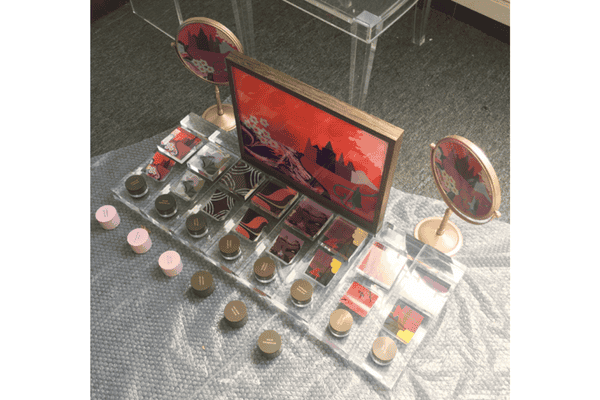
In 2026, stores pick other materials instead of acrylic shelf display. They use polycarbonate, PETG, glass, bamboo, metal, wood composites, bioplastics, and recycled plastics. These materials get noticed because they last long and can be shaped in many ways. They also cost less money. Many brands use sustainable materials now. This is because more people want eco-friendly products. Customization and minimalism are important for display choices. These trends help each product stand out in stores.
Key Takeaways
Look at different materials like polycarbonate, PETG, and bamboo for shelf displays. Each material has special benefits like being strong or good for the environment.
Think about ways to customize your displays. Changing colors and designs can help your brand stand out and bring in more customers.
Choose materials that are better for the planet, like bioplastics and recycled plastics. These choices lower harm to nature and attract shoppers who care about the environment.
Check what your products need. Heavy things need tough materials like metal or polycarbonate. Lighter things can use softer materials.
Remember to think about cleaning. Some materials need more care than others. Pick displays that match how your store cleans.
Top Alternatives to Acrylic Shelf Display
Polycarbonate
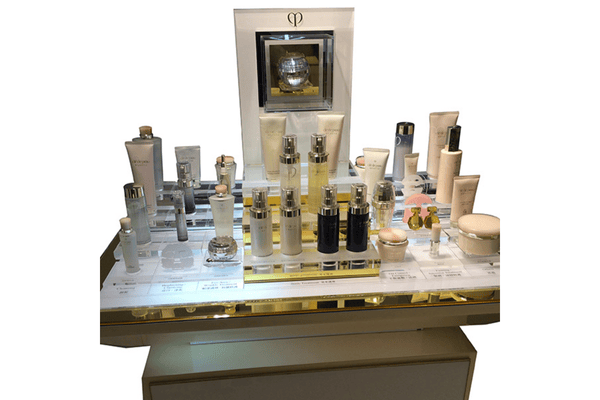
Polycarbonate shelf displays are very popular in 2026. This material is tough and can take hits without breaking. It does not shatter like glass or acrylic. Polycarbonate lets in most light, so products look bright. It scratches easier than acrylic and cannot be laser cut. But it works well in stores where things get rough. Polycarbonate is stronger than TOYIN's acrylic display but has fewer decorative finishes. Stores use polycarbonate when they want displays to last a long time.
Feature/Benefit | Polycarbonate | TOYIN Acrylic Display |
|---|---|---|
Strength | Tougher, ideal for high-risk areas | Strong, elegant, more decorative |
Clarity | 86-88% light transmission | Up to 92% light transmission |
Scratch Resistance | Needs hard-coat for best results | More scratch resistant, polishable |
Cost | Higher upfront, long-term savings | More affordable |
Fabrication | Saws/routers only | Easily laser cut and polished |
PETG
PETG is another material that is trending for shelf displays. It is clear, flexible, and strong. PETG can take more hits than acrylic and lets in lots of light. This makes it safe for stores with many shoppers. PETG is easy to shape and does not crack easily. PETG is less scratch-resistant than TOYIN's acrylic display but lasts longer in busy stores. Brands pick PETG for displays that need to be clear and tough.
Material | Impact Resistance | Clarity (Light Transmission) |
|---|---|---|
PETG | 2-3x higher | 88% |
Acrylic | Lower | Comparable |
Glass
Glass shelf displays are still a classic choice in 2026. Stores use glass because it looks clear and smooth. Jewelry stores, bakeries, and collectors like glass for its fancy feel. Glass keeps items safe and clean. But glass is heavy and can break if dropped. A glass cabinet can weigh over 45 lbs. TOYIN's acrylic display weighs about half as much. Acrylic displays are easier to move and set up. Many brands like acrylic for its light weight and safety. Glass is still used for luxury displays.
Jewelry stores: Glass keeps valuable items safe and looks nice.
Bakeries: Glass shows food in a clean way.
Private collectors: Glass cases keep collectibles dust-free.
Material | Weight (per 1 square meter) |
|---|---|
Glass | 18 kg |
Acrylic | 7 kg |
Note: Acrylic displays are easier to carry and install than glass.
Bamboo
Bamboo shelf displays are getting popular as a green material. Bamboo grows fast and is easy to replace. This makes it good for stores that care about the planet. Bamboo displays look natural and feel warm. They are great for shops that want to show they care about nature. Bamboo gives a cozy style but is not as clear as TOYIN's acrylic display. Many brands use bamboo in stores with a green theme.
Metal
Metal shelf displays are strong and last a long time. They work well in stores with lots of people. Metal racks keep products neat and easy to find. They save space and can be changed for sales. Metal displays are easy to recycle, so they help cut waste. Metal is tougher than TOYIN's acrylic display but not as clear. Stores use metal for heavy items or busy spots.
Benefit | Description |
|---|---|
Enhanced Product Visibility | Products are easy to see, which can boost sales. |
Improved Organization | Keeps store layout neat and accessible. |
Space Optimization | Fits more products without crowding. |
Durability | Withstands heavy use, lasts longer. |
Customization | Can be changed for promotions or branding. |
Material | Recyclability | Landfill Contribution | CO₂ Emissions Comparison |
|---|---|---|---|
Metal | Up to 95% | Low | 3.2x less than virgin acrylic |
Wood Composites
Wood composites like MDF, pine, and white oak are used for shelf displays. MDF is cheap and can look different ways. Pine is easy to find and change. White oak is strong and looks fancy. These materials make stores feel warm and classic. Wood composites have more texture than TOYIN's acrylic display but are not as shiny or clear. Stores use wood composites to match wooden furniture.
Wood Composite Type | Advantages |
|---|---|
MDF | Cost-effective, versatile finishes |
Pine | Affordable, customizable |
White Oak | Durable, high-quality appearance |
Bioplastics
Bioplastics come from plants or other things that grow back. They break down and help cut plastic waste. Brands use bioplastics to show they care about the planet. Bioplastics can be clear or colored. They are not as strong as acrylic but are better for the earth. Bioplastics look greener than TOYIN's acrylic display but need more care. Stores that want to be eco-friendly pick bioplastics.
Recycled Plastics
Recycled plastics are made from old bottles and other plastic items. This keeps trash out of landfills. Recycled plastic displays are strong and colorful. They are good for stores that want to show they care about the planet. Recycled plastics look different from TOYIN's acrylic display and help brands meet green goals. Stores use recycled plastics in shops for young people or eco-friendly themes.
Plexiglass
Plexiglass is a special kind of acrylic. It is very tough and resists scratches. Plexiglass handles sunlight better than regular acrylic. It comes in fewer styles but always looks clear. Plexiglass is great for displays that stay in the sun. Plexiglass protects from scratches and sunlight more than TOYIN's acrylic display but has less style variety. Plexiglass costs more than basic acrylic but lasts longer.
Property | Plexiglass | TOYIN Acrylic Display |
|---|---|---|
Composition | Specific type of acrylic (PMMA) | Various acrylics |
Durability | Superior impact resistance | High, varies by type |
Scratch Resistance | Enhanced | Good, can be polished |
UV Resistance | Superior | Varies |
Surface Finishes | Limited, high-quality | Wide variety |
TOYIN's acrylic display products are known for being clear, easy to customize, and eco-friendly. Many brands use TOYIN as a guide when picking shelf display materials for their stores.
Material Comparison
Pros and Cons
The main alternatives to acrylic shelf displays have their own good and bad points. The table below shows how each material is different. It also uses TOYIN acrylic displays as a standard.
Material | Strengths | Weaknesses |
|---|---|---|
High clarity, easy to customize, durable, eco-friendly | Can cost more than basic plastics | |
Polycarbonate | Very strong, impact-resistant, good clarity | Scratches easily, higher price |
PETG | Flexible, tough, safe for busy stores | Less scratch-resistant |
Glass | Premium look, scratch-resistant, easy to clean | Heavy, can break, harder to install |
Bamboo | Sustainable, natural look, lightweight | Not clear, less modern appearance |
Metal | Very durable, recyclable, supports heavy items | Not transparent, can dent |
Wood Composites | Warm feel, many finishes, affordable | Not clear, can swell with moisture |
Bioplastics | Eco-friendly, biodegradable, colorful | Less durable, higher cost |
Recycled Plastics | Sustainable, reduces waste, colorful | Less clarity, may have texture |
Plexiglass | High clarity, UV and scratch-resistant | Fewer finishes, higher cost |
Stores in North America made products safer by using acrylic boxes. This helped customers feel happy. Some Asian companies had trouble with high costs and supply chain problems.
Best Use Cases
Each material works best in certain stores. The list below shows where each one fits well:
TOYIN Acrylic Display: Used by luxury brands, cosmetics, watches, jewelry, and food displays. It gives clear views and custom designs.
Polycarbonate: Good for busy stores, schools, or places that need strong displays.
PETG: Works well in areas for kids and stores with lots of shoppers.
Glass: Used in jewelry shops, bakeries, and by collectors who want a fancy look.
Bamboo: Great for eco-friendly shops and stores with a nature theme.
Metal: Used in hardware stores, supermarkets, and places with heavy items.
Wood Composites: Fit boutiques and stores with classic or rustic styles.
Bioplastics: Chosen by green brands, pop-up shops, and events about sustainability.
Recycled Plastics: Used in youth stores, eco-themed displays, and brands that promote recycling.
Plexiglass: Best for outdoor displays, sunny spots, and places needing scratch resistance.
TOYIN Acrylic Products Co., Ltd. keeps leading in clarity, custom options, and eco-friendly design for store displays.
Sustainability
Eco-Friendly Materials
Many stores pick eco-friendly materials for shelf displays now. Bamboo and wood composites come from things that grow back fast. These materials do not hurt the earth. Metal displays can be used again and again. This helps cut down on trash in landfills. Glass can also be recycled and does not give off bad chemicals. Bioplastics and recycled plastics need less energy to make. They help stores make less pollution. These choices show brands care about the planet.
TOYIN Acrylic Products Co., Ltd. uses safe, eco-friendly acrylic materials. These materials are non-toxic and BPA-free. Skilled workers use new methods to make each display strong and nice-looking. The company cares about making products that last and are good for the earth.
Recycled and Bioplastics
Recycled plastics and bioplastics are top green display choices. Recycled plastics come from old bottles and packages. They keep plastic out of landfills and the ocean. Bioplastics are made from plants like corn or sugarcane. These materials break down faster than normal plastics. Stores use recycled acrylic products to show they care about the earth. These displays are common in eco-friendly shops and youth brands.
TOYIN also makes displays from green materials. Their products are simple to clean and take care of. Good production methods make sure each display lasts a long time. These displays help brands reach their green goals.
Industry Trends
Sustainability is shaping the future of shelf displays. More brands want materials that look good and protect the earth. Many companies now use recycled stuff and things that grow back. They make displays that last longer and use less energy. Custom looks and stylish finishes are still important. Brands like TOYIN use bubble-free glue and careful work. Their displays show off special items and support green ideas.
Tip: Picking green displays can make a brand look better and bring in more customers.
Design Trends
Finishes and Colors
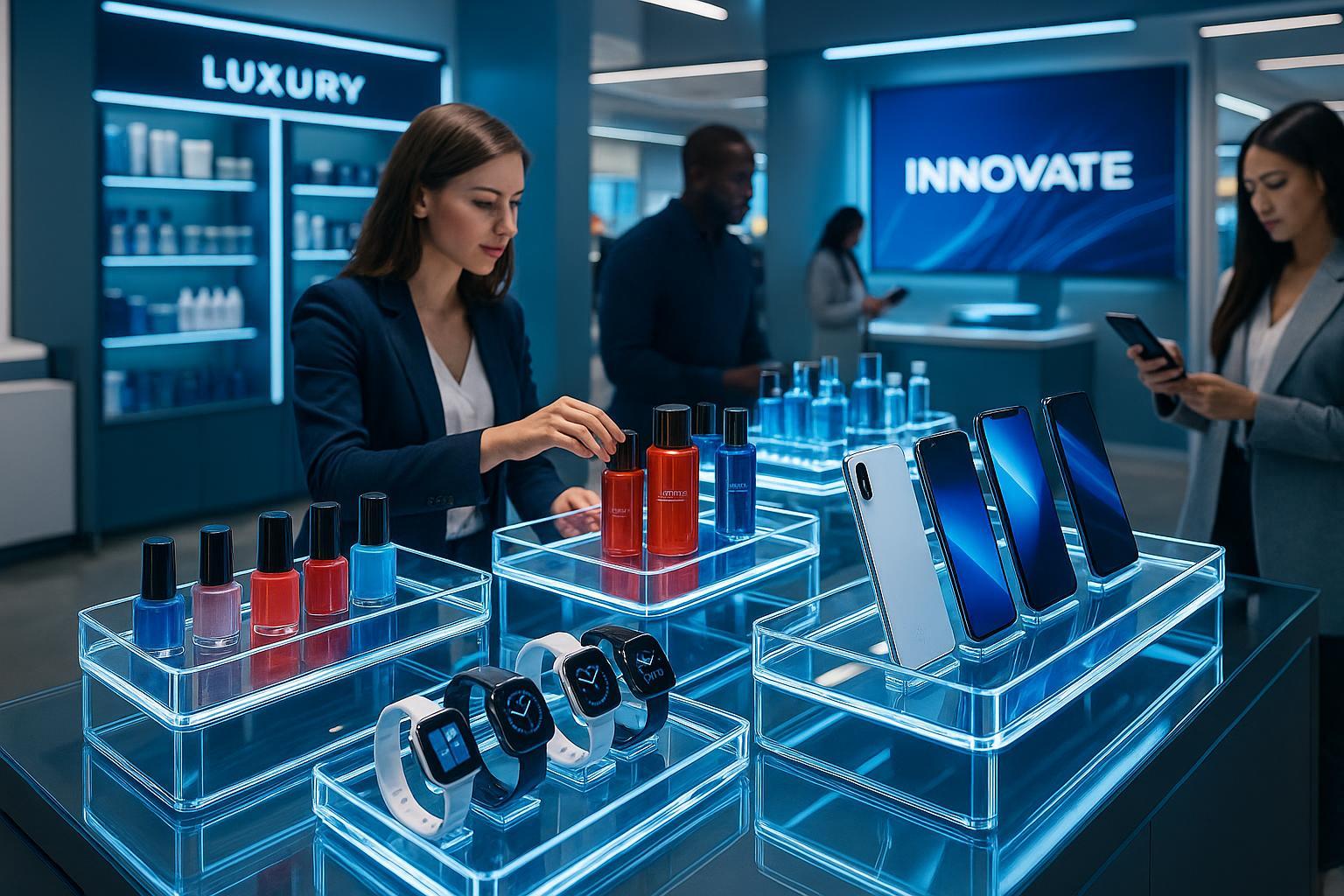
Shelf display alternatives in 2026 come in many finishes and colors. Designers pick earthy ochres and smoky jades for a real and healthy look. Stores use colors like Griffin, Cordovan, and Universal Khaki to make shoppers feel cozy. These colors help people feel good and show their own style. Many brands pick finishes that fit their store’s look. Surfaces can be matte, shiny, or have texture to make products pop. The color choices work for simple or bold store styles.
Color Name | Code |
|---|---|
Lemon Chiffon | HGSW6686 |
Universal Khaki | HGSW6150 |
Griffin | N/A |
Cordovan | N/A |
Designers pick these colors to make displays feel friendly and special.
Customization Options
Customization is very important for shelf displays now. Suppliers let stores pick where to put logos, what colors to use, and what size or design they want. Dongguan Wenmei Acrylic Product Co., Ltd. gives lots of choices, like how to put it together and blueprints. Shanghai Unisign Industrial Material Co., Ltd. lets stores change thickness, weight, fireproofing, and logo. Shenzhen Tinya Acrylic Display Co., Ltd. helps with graphics and logos. Jayi Acrylic Industry Limited lets stores pick package, logo, thickness, size, color, and graphics.
TOYIN Acrylic Products Co., Ltd. is known for making custom display cases. The company lets brands pick finishes, sizes, and designs that match their style. Skilled workers make displays for luxury brands. TOYIN’s displays help brands show off their products and logos.
Modern Applications
Modern shelf displays use new materials and designs for today’s stores. Retailers use bamboo and bioplastics for green displays. Metal and wood composites are strong and look nice. Stores mix materials to make cool displays. Custom cases help brands show off special items. Many companies use displays for watches, makeup, jewelry, and food. TOYIN’s acrylic displays are clear and easy to clean. Brands use these displays to get more customers and build trust.
Stores use modern shelf displays to make shopping fun and easy to remember.
Cost and Practicality
Price Ranges
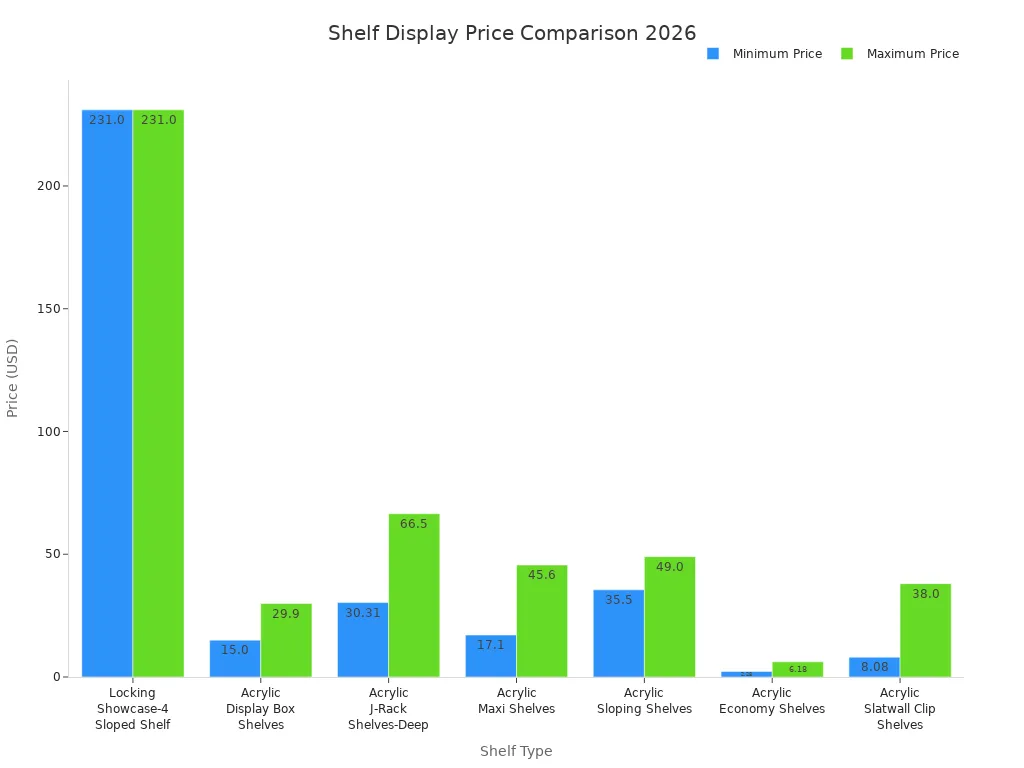
Shelf display materials have prices that are not the same. Polycarbonate and plexiglass cost more than simple plastics. Glass displays are pricey because they are heavy and need careful handling. Metal shelves can be costly, especially if made from stainless steel or have special finishes. Bamboo and wood composites are cheaper for stores wanting a natural look. Bioplastics and recycled plastics cost more than regular plastics but help stores meet green goals. TOYIN acrylic displays mix good quality and fair price. This makes them popular with luxury brands and stores that want style and value.
Tip: Stores can save money if they pick the best material for their needs and where the display will go.
Maintenance
Different materials need different care to stay nice. Acrylic displays, like TOYIN’s, only need a soft cloth and gentle cleaner. Metal shelves need care based on their finish and how much they are used. Wood displays need special cleaners to keep their look. Glass needs regular cleaning to stay clear but can scratch if cleaned with rough tools.
Material | Maintenance Requirements |
|---|---|
Acrylic | Soft cloth, mild cleaner, polish for extra shine |
Metal | Wipe with cloth, check for rust or dents |
Wood | Use wood-safe cleaner, avoid water damage |
Glass | Glass cleaner, soft cloth, avoid scratches |
Bamboo | Dust often, use gentle cleaner |
PETG | Mild soap, soft cloth, avoid harsh chemicals |
Bioplastics | Mild cleaner, avoid heat |
Recycled Plastics | Mild soap, soft cloth |
Use a soft microfiber cloth for most materials.
Do not use strong chemicals like ammonia or alcohol.
Clean with mild soap and water for best results.
Installation Tips
How you install a shelf depends on its weight and strength. TOYIN acrylic displays are light and easy to move. Glass shelves need strong supports and careful handling. Metal racks may need tools and anchors to be safe. Bamboo and wood composites are light and simple to set up. PETG and recycled plastics are easy to cut and fit in many places. Stores should always follow the supplier’s instructions for safe installation.
Note: Picking the right way to install shelves helps them last longer and keeps products safe.
Choosing an Acrylic Shelf Display Alternative
Factors to Consider
Picking the right shelf display material is important. Retailers need to think about what products they want to show. Heavy items need strong shelves. Light items can use weaker shelves. The height and size of shelves matter too. Tall shelves hold more things. Short shelves make items feel special and easy to grab.
Here is a table to compare these factors:
Factor | Explanation |
|---|---|
Volume | Tall shelves fit more items. Short shelves make products seem fancy and rare. |
Size | Big or heavy items need strong, low shelves. Small items fit well on high shelves. |
Matching with display types | Custom displays fit different stores and products. |
Accessibility | Low shelves are good for things people touch, like snacks or makeup. |
Customer height | Shelves at eye level get more attention and make people want to look. |
Shelving finishes | Shelf finish changes how long it lasts and how it looks. Choices include chrome, epoxy, and polymer. |
Retailers should also think about the store’s style and brand. Eco-friendly stores may pick bamboo or recycled plastics. Stores needing tough shelves often use polycarbonate or PETG.
Tip: Always pick shelf materials that fit the product and store style for best results.
When to Choose TOYIN Acrylic
TOYIN Acrylic Products Co., Ltd. makes shelves that are clear, strong, and easy to change. Brands pick TOYIN acrylic for a fancy look and simple branding. These shelves are good for luxury items like watches, makeup, and jewelry. Stores wanting shelves that are light, easy to clean, and safe often choose TOYIN acrylic.
TOYIN’s shelves are also good for stores that care about the planet. The company uses safe, high-quality materials and skilled workers. Custom sizes, finishes, and designs help brands stand out. If a store wants good looks and easy use, TOYIN acrylic shelves are a smart choice.
Note: TOYIN acrylic shelves help brands make a great first impression and last a long time in busy stores.
Shops should pick the acrylic shelf display alternative that fits their needs. Polycarbonate is strong and lasts a long time. Bamboo and bioplastics are better for the environment. Metal and wood composites look classic or modern. Each acrylic shelf display material has its own good points. Readers can look at the choices and ask Toyin Acrylic Products Co., Ltd. for help. They can get samples or check out custom acrylic shelf display ideas. Testing different acrylic shelf display materials helps brands choose what works best. The right acrylic shelf display makes products easy to notice.
FAQ
What makes TOYIN acrylic displays different from other materials?
TOYIN acrylic displays are very clear and strong. Skilled workers make each display with care. Brands like these displays because they can be changed and use eco-friendly materials.
Are bamboo and bioplastics good for the environment?
Bamboo grows fast and does not hurt the earth. Bioplastics are made from plants and break down quicker than regular plastics. Both help stores lower their effect on nature.
Which material works best for heavy products?
Metal and polycarbonate displays hold heavy items well. These materials do not bend or break easily. Stores use them for tools, electronics, and big products.
Can stores customize shelf displays?
Yes, many suppliers let stores pick colors, sizes, and finishes. TOYIN Acrylic Products Co., Ltd. gives lots of custom choices. Brands can match displays to their style and needs.
How do stores keep shelf displays clean?
Most displays need a soft cloth and mild cleaner. Acrylic and glass stay clear with gentle care. Metal and wood need special cleaners to keep their look and last longer.