Exploring the Versatility of Acrylic and Plexiglass in Modern Design: The 2026 Beginner’s Guide

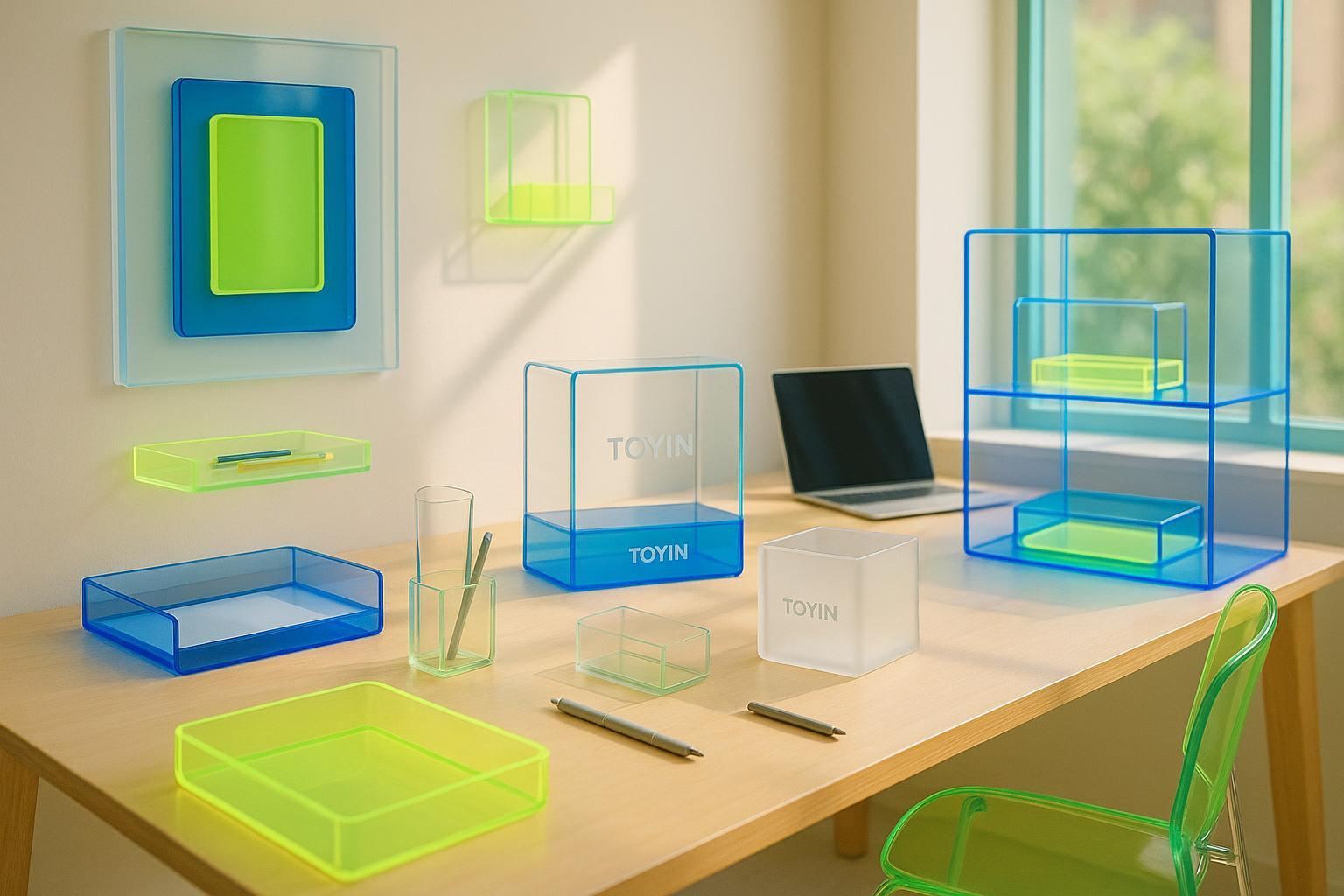
Welcome! Why This Guide Makes Acrylic & Plexiglass Easy in 2026
If you’re standing at the edge of modern design, staring at the shining, almost magical allure of acrylic and plexiglass—but feeling a little intimidated about where to start—you’re in exactly the right place. Whether you’re thinking about redesigning your living room, crafting a retail display, or simply picking up a new DIY hobby in 2026, this guide was made to be your trusted companion.
You might be worried: “Is it too technical? Is acrylic safe? Will I mess it up?” Don’t worry—those are common beginner doubts, and you’ll see how approachable these materials truly are. I was once a beginner, too, and the learning curve is much friendlier than it looks. Let’s build your confidence, step by step!
What Are Acrylic and Plexiglass? (And Why Are They Trending Now?)
Acrylic (also called PMMA: Polymethyl methacrylate) is a clear, lightweight, glass-like plastic that designers love for its strength, versatility, and easy shaping. Plexiglass is essentially a premium type of acrylic—think of it like the “Kleenex” of acrylic sheets, known for extra UV and scratch resistance (OwnPlastics).
Why do these materials matter in 2026? Here’s what sets them apart:
Transparency: Up to 92% light transmission—brighter rooms, sleek displays.
Safety: Half the weight of glass, shatter-resistant.
Workability: Easy to cut, bend, glue, and personalize—even for total beginners.
Eco-Friendly Advances: Modern acrylic is highly recyclable, with biodegradable options emerging fast (AcrylicPoint).
Aesthetic Range: Glossy, matte, colored, mirrored, frosted—more than just ‘clear’!
2026 Design Trends: Acrylic’s Place in Modern Spaces
What’s exciting for beginners is how acrylic and plexiglass are taking center stage in this year’s design world—with a big focus on:
Sustainability: Prefer eco-friendly acrylic, reducing plastic waste and carbon footprint.
Customization: Cut-to-size, colored, textured panels, and laser-engraved details make one-of-a-kind solutions accessible and affordable.
Smart Integration: Acrylic is showing up in smart furniture, lighting, and interactive signage—perfect for modern homes and retail (AdvanceLam).
On-Trend Styles: From sleek kitchen shelves (frosted white, bold matte charcoal) to geometric wall panels and honeycomb mirrors, the style options are endless (TreeTowns).
Toyin Acrylic Products Co., Ltd. (TOYIN): Your Bridge to Custom Acrylic Projects
If you’re looking for a partner to make acrylic easy, TOYIN is a name you’ll want to know. With 25 years of innovation in custom acrylic manufacturing, TOYIN offers:
Custom design & rapid quoting: Ideal for brands, DIYers, and anyone needing tailored solutions.
Eco-friendly production: Modern, sustainable processes.
Global delivery: Convenience and support wherever you are.
Beginner-friendly guidance: Their team loves helping newcomers—no experience required! Learn more about TOYIN's services directly on their official website.
So, for your first display box, organizer, or home décor idea, TOYIN’s cut-to-size and design services can turn “just a dream” into reality, hassle-free.
How to Choose the Right Acrylic (In Plain English!)
Don’t get caught in analysis paralysis—here’s the simple breakdown:
Cast Acrylic
Harder, resistant to chemicals
Deeper, premium colors/finishes
Best for projects needing strength or intricate details
Extruded Acrylic
Smoother, budget-friendly
Easier to cut for simple shapes
Great for routine projects, signs, organizers (LSRPF)
Thickness Tips:
2-3mm: Best for wall art, picture frames
4-6mm: Good for shelves, small furniture
8mm+: Heavy-duty displays, retail fixtures
When in doubt, ask TOYIN—they can advise you on size, finish, and thickness to match your project and skill level.
Beginner Comfort Zone: Acrylic Tools, Safety, and Setup Checklist (2026 Edition)
Essentials:
Scoring tool or fine-toothed saw
Clamps and straight edge
Goggles, gloves (protect those hands!)
Clean, dust-free surface
Mild soap and microfiber cloth for cleaning
Optional: Laser cutter—many makerspaces or shops offer machine rental, even for beginners
Safety First:
Work slowly (no rushing!)
Ventilate your workspace—acrylic fumes can build up if heated
Always test cuts/glues on scrap pieces before touching the final part (FabGlassAndMirror)
The Most Common Beginner Mistakes (And How to Dodge Them!)
Cutting Trouble:
Using a blade that’s too coarse: Always choose fine-toothed, slow speed.
Applying too much force: Causes cracks or burns. Go gently!
Skipping the test run: Practice on a scrap first to save headaches. (Wozo)
Gluing Woes:
Dirt or fingerprints on surfaces: Clean thoroughly, dry before gluing.
Too much glue at once: Spread thin, even layers and clamp for best results. (KingDeliAdhesive)
Cleaning Mishaps:
Using harsh chemicals: Only mild soap, and avoid paper towels (can scratch).
Aggressive sanding: Start gentle; move up only as needed. (FlAcrylic)
Material Mismatch:
Too thin: Wobbly results. Too thick: Tough to cut. Always check (or ask TOYIN’s team).
Safety Slip-ups:
Skipping goggles or gloves, or working without clamps—easy ways to get hurt or ruin your project.
It’s normal to make rookie mistakes. What matters is learning and iterating—see mistakes as creative fuel!
Starter Projects: Small Wins for DIYers, Businesses & Designers
1. Acrylic Paint-Poured Wall Art
Plexiglass sheet, acrylic paints
Remove film, pour paint in creative patterns, let dry (YouTube)
2. Bent Acrylic Desk Organizer
Cut sheet to size, heat bend with a heat gun (medium setting), clamp & cool, sand edges (BeePlastic)
3. Clear Acrylic Photo Frame
Sandwich your photo between two sheets, fasten with magnets or stand for display (TTPlasticLand)
4. Colored Wall Decor or Planter Stand
Cut sheets, arrange geometric or organic shapes, attach with adhesive strips or screws
Real beginners have started projects just like these at home, in studios, and in retail settings. If you want a tailored, pro-grade result—TOYIN offers customizable kits, components, and consultation so you’re never stuck on “how do I do this?”
Learning Support & Continuous Improvement
You don’t have to learn alone! Today’s design community is full of encouraging voices, resources, and pro tips:
Video tutorials: Search YouTube for “Acrylic sheet projects 2026” or “beginner DIY plexiglass.”
Online courses: Sites like Udemy and LinkedIn Learning offer intro-to-fabrication courses, 3D prototyping, and material handling basics (Archademia).
Blogs and forums: TTPlasticLand, NotSalmon, and design communities on Facebook and Revit Forum.
Care and maintenance guides: Learn best practices before you need them (DelviesPlastics).
Ready to Try? TOYIN Makes Acrylic Easy, Step by Step
If you feel inspired but still a little unsure, you’re not alone. Beginners worldwide trust TOYIN for advice, materials, custom design, and fast support. Whether it’s your first small organizer or a major retail display, their team bridges those critical first steps to polished results—so you never feel lost or overwhelmed.
Their rapid quoting, designer-level support, and eco-friendly practices are tailored for both home crafters and professional users.
Learn more about Toyin Acrylic Products Co., Ltd. (TOYIN) and see examples of their work directly on their website.
What’s Next? Your Acrylic Journey in 2026
Reflect: What space or idea could acrylic transform for you?
Practice: Start small, test everything, and keep learning. Mistakes are normal—and build your skill!
Connect: Collaborate, share, and ask for help (TOYIN is always happy to answer questions).
Stay curious: New trends hit every year—keep exploring!
You’re on the edge of a highly creative, sustainable, and rewarding path. Acrylic and plexiglass are no longer just for experts—they’re for makers, dreamers, and you. With a little practice (and support from manufacturers like TOYIN), your modern design projects are as achievable as they are beautiful.
Important Resources & References:
TOYIN News: Acrylic Sustainability
Have more questions, or ready to start your custom acrylic journey? TOYIN's friendly experts are always just a click away.