Acrylic Letter Storage Box vs. Plastic Organizers: Which is Better

An Acrylic Letter Storage Box usually works better than plastic organizers for most people. Acrylic gives clearer visibility, lasting durability, and a nicer look. Plastic organizers are cheaper and work well for specific, short-term needs. Buyers should think about clarity, durability, price, food safety, customization, and cleaning. Toyin Acrylic Products Co., Ltd. makes premium acrylic letter storage products that show these benefits. Their products prove how acrylic excels in both function and form. Plastic organizers may fit tight budgets or temporary storage. But acrylic often provides better long-term value. Which material truly gives the best value for letter storage? It depends on individual priorities, but acrylic holds a strong advantage.
Key Takeaways
Acrylic gives a clearer view and lasts longer. Plastic costs less at first.
Acrylic keeps its clear look for more than ten years. Plastic turns yellow or cloudy in just two years.
Some acrylic is safe for food. Buyers should check the labels before they store food in any container.
Acrylic can be made in custom sizes and finishes. Plastic only comes in standard sizes.
Wipe acrylic with a soft microfiber cloth and gentle soap. This keeps it clear for many years.
Quick Comparison: Acrylic Letter Storage Box vs. Plastic
Side-by-Side Comparison Table
The table below shows how an Acrylic Letter Storage Box and a clear plastic organizer differ across six important attributes. These attributes include clarity, durability, price, food safety, customization, and cleaning.
Attribute | Acrylic Letter Storage Box | Clear Plastic Organizer |
|---|---|---|
Clarity | 92% light transmittance; pure, water-clear with no tint; flame-polished smooth edges | Often slight blue or gray tint; transparent but not crystal clear; rough or irregular edges with molding seams |
Durability | More impact-resistant and stiffer; dropped from counter height it bounces or breaks cleanly rather than shattering; UV-resistant, stays clear for a decade or longer | More flexible; can bend, warp, tear, or chip at corners; degrades under UV and yellows or clouds within 1–2 years |
Price | $15–50 per container; higher upfront cost but buy once, cry once due to longevity | $3–10 per container; cheaper initially but may need replacement every 1–2 years |
Food Safety | Not all acrylic is food-safe; food-grade acrylic options exist | Varies by plastic type; polypropylene and polyethylene are generally safe |
Customization | Custom colors, shapes, sizes, and finishes like neon, wood grain, and marble | Standard sizes with limited customization |
Cleaning | Non-porous surface resists dust and moisture; clean with microfiber cloth and mild soap | May develop scratches and become cloudy over time |
Key Differences Summary
Acrylic wins in clarity, durability, and looks. Plastic wins in upfront cost. That one trade-off shapes most buying decisions.
Acrylic lets 92% of light pass through. This means you can easily see what is inside the box. The material also feels stiffer and stands up to impact better than most clear plastics. If you drop it from counter height, acrylic bounces or breaks cleanly. It does not shatter like glass. Acrylic handles impact much better than glass and is stiffer than most clear plastics. It also resists UV damage and stays clear for ten years or more.
Plastic organizers cost less at the start. A clear plastic bin runs $3–10 per container. An acrylic letter storage box costs $15–50 per container. That price gap matters if your budget is tight. However, plastic breaks down under UV light. It turns yellow or cloudy within 1–2 years. Replacement costs add up over time. Acrylic gives better long-term value for most users.
Food safety depends on the specific product. Not all acrylic is food-safe. Buyers should look for food-grade acrylic options. Plastic food safety varies by type. Polypropylene and polyethylene are generally safe. With both materials, you need to check what the manufacturer says.
Customization favors acrylic. Toyin Acrylic Products Co., Ltd. offers many colors, shapes, sizes, and finishes. These finishes include neon, wood grain, and marble. Plastic organizers usually come in standard sizes. Buyers have few options to match their decor or specific needs.
Cleaning also differs. Acrylic has a non-porous surface. It keeps out dust and moisture better than some plastics. A microfiber cloth and mild soap keep it clear without scratches. Plastic may get scratches and turn cloudy over time. That cloudiness makes it harder to see inside and shortens the product's useful life.
In short, acrylic letter storage boxes work for buyers who want lasting clarity and a premium look. Plastic organizers work for buyers who need a low-cost option for temporary storage. The next sections look at each comparison factor in greater detail.
Clarity and Aesthetics
Acrylic's Crystal-Clear Advantage
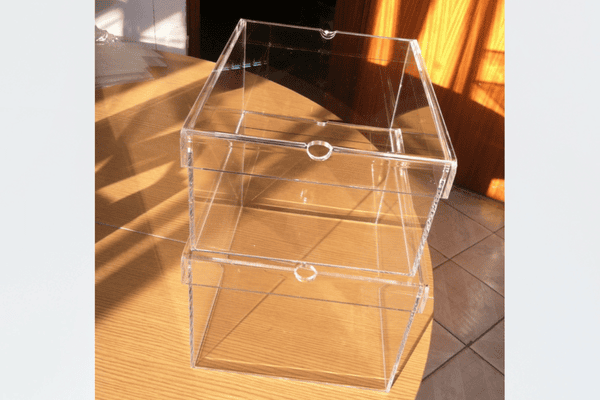
Clarity is the most obvious difference between acrylic and plastic. A buyer can see this difference right away. Toyin Acrylic Products Co., Ltd. makes boxes that let over 92% of light pass through. Almost all light goes through the material. Users see what is inside without any blur. An Acrylic Letter Storage Box shows letter shapes, colors, and details just as they are. This clarity matters for collectors who display cards or businesses that show products on shelves.
Professional organizers often suggest clear storage bins for one reason: you can see what is inside. People forget what they cannot see. Clear containers mean you do not have to open every box to find something. Acrylic takes this idea further than most plastics. The material has a water-clear finish without the blue or gray tint common in plastic bins. Flame-polished edges add a high-quality touch. The result looks like fine glass instead of ordinary storage plastic.
Acrylic also stays clear over time. The material fights UV damage that turns many plastics yellow. A well-made acrylic box stays clear for years. Its non-porous surface does not soak up dust or moisture. The glass-like look stays the same.
Plastic's Limited Transparency
Clear plastic organizers give decent visibility at first. A new plastic bin lets users see the general shape of what is inside. However, the view has flaws. Many plastic bins have a slight tint that changes how items look inside. Molding seams run across the surface and break up the view. Rough edges make the look even less clean.
Plastic clarity also fades over time. UV exposure clouds or yellows the material within one to two years. Scratches build up during normal use and cleaning. Each scratch spreads light and makes contents harder to see. What started as a clear bin becomes a hazy container that hides what is inside.
The difference is easy to spot when you put the materials side by side. Acrylic shows contents like a storefront window. Plastic shows contents like a frosted window. Both let light through, but only acrylic gives true clarity. Users who want to see letters, photos, or products without anything in the way will find acrylic the better choice.
Durability Comparison
Acrylic's Impact Resistance
Acrylic takes hits much better than glass and many clear plastics. A shatterproof acrylic container can drop from a counter or shelf and make it. It might bounce or crack cleanly on an edge, but it will not burst into sharp pieces like glass. That gap matters for anyone storing letters, cards, or collectibles in a busy home or office. A dropped box should guard what is inside, not leave you a mess to clean up.
Toyin Acrylic Products Co., Ltd. supports this strength with tight quality control. Their production line has a 99% pass rate, so almost every box leaving the factory meets the same bar for thickness, seams, and finish. That steadiness keeps the material's natural toughness in place. A box with weak seams or trapped air bubbles would break early, no matter how strong the raw acrylic is. Toyin's bubble-free adhesive and precision engineering take away that weak spot.
Plastic's Wear Over Time
Plastic bins do last longer than cardboard. A cardboard box falls apart when it gets wet or crushed. A plastic organizer fights off moisture and keeps its shape under light loads. For basic storage, that is a real upgrade. Many households count on plastic bins for this exact reason.
Time works against plastic, though. UV light from windows and overhead lights breaks the material down. The bin turns yellow or cloudy within a year or two. Corners crack under repeated stress. Lids stop snapping shut. Each failure pushes the owner to buy a replacement. Acrylic resists UV damage and stays clear for a decade or longer, so the higher upfront price spreads across many more years of use. For long-term letter storage, acrylic simply outlasts the cheaper option.
Price and Value
Upfront Cost Comparison
A clear plastic storage box can cost more than people think. Shoppers often look for good deals when they compare storage choices. A basic clear plastic organizer costs $3–10 per container. An acrylic letter storage box costs $15–50 per container. That price gap seems big at first. Buyers on a budget may pick the cheaper plastic option right away.
The upfront difference is real. Acrylic costs more to make because it uses high-quality virgin material and precise engineering. Plastic bins use cheaper resins and simpler molding methods. A buyer who only checks the sticker price will choose plastic every time. But the upfront price tells only part of the story. Smart shoppers weigh the full cost of ownership over time.
Long-Term Value Analysis
Acrylic gives better long-term value for most users. The material resists UV damage and stays clear for ten years or more. Plastic turns yellow or cloudy within 1–2 years. A plastic bin that costs $5 and needs replacing every year costs $25 over five years. An acrylic box that costs $30 and lasts ten years costs $3 per year. The math favors acrylic when buyers plan for the long haul.
Toyin Acrylic Products Co., Ltd. backs up this value with strict quality control. Their production line holds a 99% pass rate. Each box meets steady standards for thickness, seams, and finish. That reliability means buyers get a product that works as expected for years.
Plastic organizers still serve a purpose. They work well for temporary storage, seasonal projects, or tight budgets. A student moving into a dorm may only need a cheap bin for one semester. A family storing holiday decorations for a few months may not want to spend on premium acrylic. For short-term needs, plastic offers a budget-friendly solution.
For anyone storing letters, cards, or collectibles long-term, acrylic wins on value. The higher upfront cost pays off through durability and lasting clarity. Buyers who want a storage box that looks good and lasts for years will find acrylic the smarter investment.
Food Safety
Acrylic's Food-Grade Safety
Not every acrylic box is safe to put near food. Regular acrylic may have additives that are okay for display but not for touching snacks, candies, or baked goods. If you want to store treats in an acrylic letter storage box, you need to find food-grade acrylic. This type uses formulas that meet safety rules for direct food contact. The label or product page should clearly say "food-grade" or "food-safe." If it does not say that, you should treat the box as display-only.
Toyin Acrylic Products Co., Ltd. makes acrylic boxes for many purposes, so buyers who plan to store food should confirm the exact grade before ordering. Asking the supplier a quick question clears up any doubt. This step takes one minute and stops a costly mistake. Food-grade acrylic also cleans easily because its non-porous surface keeps out moisture and does not hold onto crumbs or odors. That smooth surface makes it a smart choice for kitchens, candy shops, and bakeries that want clear, nice-looking containers.
Plastic's Variable Standards
Plastic food safety depends on the resin type. Polypropylene and polyethylene are generally safe for food contact, and many food containers use these plastics. Other plastics may release chemicals, especially when they get hot or scratched. A plastic organizer with no food-safe label should stay away from food. The same rule applies to acrylic: you must check what the manufacturer says.
Check the manufacturer's specifications before placing any food inside a storage box, whether the material is acrylic or plastic.
Good makers list the resin type, the safe temperature range, and the food-contact status. Toyin Acrylic Products Co., Ltd. gives this kind of detail so buyers can choose with confidence. A storage box that holds letters, cards, or collectibles does not need food-grade status. A box that holds cookies or tea bags does. Matching the material to the job keeps users safe and protects what is inside.
Customization Options
Customization can turn a one-size-fits-all bin into a useful container. People with specific needs want a box for their space and style. A letter box can match a desk, a retail shelf, or a collector's display. Acrylic gives them that choice. Plastic does not.
Acrylic's Custom Sizing and Finishes
Toyin Acrylic Products Co., Ltd. lets customers change many things. They can pick colors, shapes, sizes, and finishes. Finish choices include neon, wood grain, and marble. A neon box adds a bold accent to a game room. A wood-grain box blends into a home office. A marble finish gives a countertop a refined look. Each finish keeps the clear acrylic look, so contents are easy to see.
People can also ask for exact sizes. A box can hold one card sleeve or a thick stack of letters. Toyin's product line shows this flexibility. They make Pokémon booster box cases, ETB protector boxes, card boxes, flower boxes, ballot boxes, glove boxes, and light boxes. A collector buys a case made for a certain trading-card set. A business buys a ballot box in its brand colors. A shop shows flowers in a box built for long stems. A custom design makes a simple box useful for a real job.
Plastic's Limited Flexibility
Plastic organizers mostly come in standard sizes. Companies pour melted plastic into fixed molds. If they change a size, they need new tools and a new production run. Most brands sell the same bins in a few sizes. People take what the catalog has. Someone who needs a special lid or a custom divider cannot find one.
Color options are also limited. Clear plastic bins come in clear, blue-tinted, or basic solid colors. Neon or marble finishes are rare in standard plastic storage. Wood-grain plastic bins are very hard to find. Plastic works for basic sorting and short-term needs. It fails for buyers who want a box to match a room, brand, or specific item. That need leads most users to acrylic.
Cleaning and Maintenance
Acrylic Cleaning Best Practices
Acrylic letter storage boxes stay crystal clear with easy care. Owners should use a soft microfiber cloth and mild soap with warm water. They should not use paper towels, rough sponges, or harsh chemical cleaners. These things leave small scratches on the surface. Scratches scatter light and make the box less clear over time.
A gentle routine works best. The user wipes the surface in straight lines, not circles. Circular motions trap dust and grind it into the acrylic. Next, the user rinses the cloth and wipes again with clean water. This second pass removes soap film. A dry microfiber cloth brings back the shine.
Toyin Acrylic Products Co., Ltd. builds boxes with a non-porous surface. This surface keeps out dust and moisture better than many plastics. Dirt does not sink into the material. Spills stay on top and wipe away easily. The bubble-free adhesive and flame-polished edges leave no seams where grime can collect. Regular dusting with a dry cloth keeps the box looking new for years.
Plastic Maintenance Challenges
Plastic organizers show wear faster during cleaning. Many plastics scratch easily. Even a soft scrubber can leave marks on a bin's surface. These scratches build up over time. Each mark spreads light and makes the contents harder to see. What started as a clear bin becomes a hazy container.
UV exposure adds to the problem. Sunlight and indoor lighting break down plastic resins. The material turns yellow or cloudy within one to two years. Cleaning cannot reverse this change. The hazy look stays no matter how often the owner wipes the surface. Some plastics also hold onto dust and grease. Their surface has tiny pores or molding seams.
Plastic bins need replacement sooner because of these issues. A scratched, yellowed container still holds items, but it no longer shows them clearly. Users lose the main benefit of a clear storage box. Acrylic avoids this problem. Its stiffer surface resists scratches, and its UV-resistant formula preserves clarity. Owners of acrylic boxes spend less time cleaning and replacing.
Toyin Acrylic Spotlight
Why Toyin Acrylic Stands Out
Toyin Acrylic Products Co., Ltd. makes boxes from high-quality virgin acrylic. This material is very clear. Most regular plastics are not as clear. The company uses bubble-free glue during assembly. This glue leaves a finish with no trapped air or cloudy spots. A clear Acrylic Letter Storage Box shows its contents from every side. Customers say clear visibility is the top priority.
Toyin's production process gives steady quality. The company holds a 99% pass rate in quality checks. Workers check each box for thickness, seams, and surface. They remove bad boxes before shipping. Every product meets the same standard. Big buyers trust this quality for bulk orders.
The lids add extra quality. Many Toyin boxes come with magnetic tops. These lids close tight and stay shut while being moved. UV protection keeps letters and cards safe from sun damage. The material also stops yellowing over time. Buyers should check exact sizes with the sales team before ordering. That quick check avoids surprise at delivery.
Product Highlights
Toyin makes boxes for many uses. The lineup includes Pokémon booster box cases, ETB protector boxes, and card boxes. An Acrylic Letter Storage Box keeps papers neat at home or work. Other designs include flower boxes, ballot boxes, glove boxes, and light boxes. Each design is built with care for a different use.
Custom choices give buyers full control. Customers can pick colors, shapes, sizes, and finishes. Finish choices include neon, wood grain, and marble. Businesses can order boxes in brand colors. Collectors can ask for exact sizes to fit certain card sets. Toyin's official website shows the catalog.
Big brands trust Toyin to deliver on time. The production line works fast for quick orders. That speed helps bulk orders with close deadlines. Collectors, businesses, and organizations all find these boxes useful. A collector protects rare cards, a retail store displays products, and a school stores teaching materials. Every place gains from acrylic's clear look and toughness. Clarity, strength, and style make these boxes a truly trusted pick.
Acrylic is best for clarity, durability, looks, and custom options. Plastic wins only on upfront cost. People who need long-term storage, a premium look, and clear visibility should choose an Acrylic Letter Storage Box. Plastic suits tight budgets and temporary projects. Shoppers should consider their needs first. Toyin Acrylic Products Co., Ltd. makes high-quality acrylic boxes with over 92% light transmission and a 99% quality pass rate. Acrylic cleans easily and resists scratches. Plastic gets yellow and cloudy in a year or two. Custom sizes and finishes are an acrylic plus. For most users who want the best value, acrylic is the better choice.
FAQ
Which material offers better clarity for displaying letters?
Acrylic wins here. Toyin Acrylic Products Co., Ltd. makes boxes that let over 92% of light pass through. You can see what is inside from every angle. Plastic bins often have a slight tint and turn cloudy within one to two years. Acrylic keeps its water-clear finish for ten years or longer.
How long does each material typically last?
Acrylic fights off UV damage and stays clear for ten years or more. Plastic turns yellow or cloudy within one to two years. A plastic bin that costs $5 and needs replacing every year costs more over five years than one acrylic box priced at $30.
Can acrylic letter storage boxes hold food safely?
Only food-grade acrylic works for touching food. Regular acrylic is fine for display. Buyers should check what the manufacturer says before putting snacks or baked goods inside. Polypropylene and polyethylene plastics are generally safe for food. Toyin Acrylic Products Co., Ltd. gives material details so buyers can choose with confidence.
What customization options does acrylic offer?
Acrylic allows custom colors, shapes, sizes, and finishes. Toyin Acrylic Products Co., Ltd. offers neon, wood grain, and marble finishes. Their product line includes Pokémon booster box cases, ETB protector boxes, card boxes, flower boxes, ballot boxes, glove boxes, and light boxes. Plastic organizers come in standard sizes with few options.
How should owners clean acrylic versus plastic?
Acrylic needs a microfiber cloth and mild soap with warm water. Paper towels and harsh cleaners leave scratches. Plastic scratches easily and turns cloudy over time. Acrylic's non-porous surface keeps out dust and moisture better than many plastics. Regular dusting keeps acrylic boxes looking new for years.