What is an Acrylic Aquarium? Definition, Features, and Applications

One-Sentence Definition
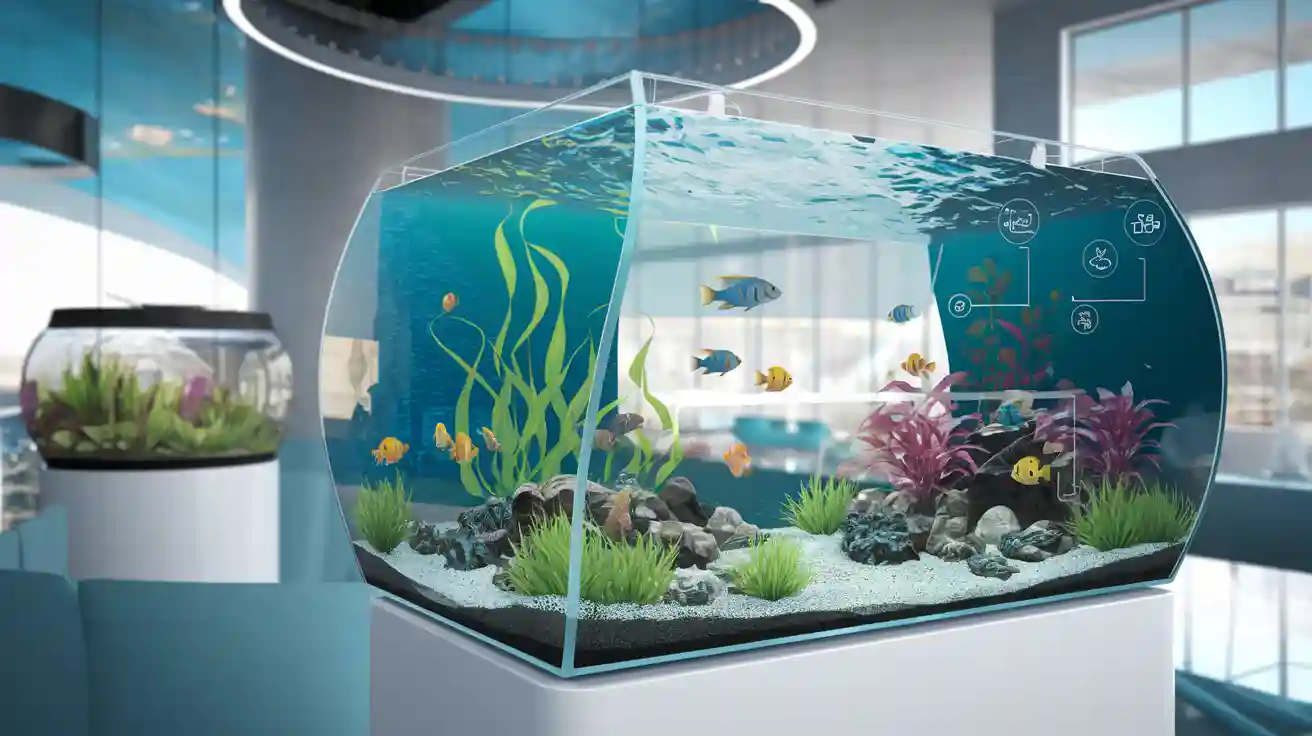
An acrylic aquarium is a fish tank or aquatic display enclosure made primarily from polymethyl methacrylate (PMMA), valued for its high clarity, strength, and ability to be molded into various shapes, widely used in home, commercial, and public aquarium settings (RedFin).
Detailed Explanation
Acrylic aquariums have transformed aquatic displays by offering advantages over traditional glass tanks. Made from PMMA, these tanks are 50–60% lighter than glass, up to 17 times more impact-resistant, and can be fabricated into seamless, curved, or custom shapes. Their superior optical clarity provides an unobstructed view of aquatic life, making them popular in high-end homes, public aquariums, and commercial spaces. Acrylic’s flexibility allows for large-scale installations, such as tunnels and panoramic windows, that are not feasible with glass.
Key Components
Material: Cast or extruded PMMA (acrylic sheet)
Construction: Panels are cut, heat-bent, and bonded with solvent cement for watertight seams
Thickness: Varies by tank size; thicker panels are used for larger or taller tanks to ensure safety
Design: Supports custom shapes (cylindrical, bow-front, tunnels) and seamless edges
Insulation: Better thermal insulation than glass, helping maintain stable water temperatures
Real-World Applications
Acrylic aquariums are found in:
Public Aquariums: Large-scale displays like the Dubai Mall Aquarium and Lotte World Aquarium Hanoi use acrylic for massive, curved viewing panels (ICM).
Commercial Spaces: Hotels, restaurants, and museums favor acrylic for its design flexibility and safety.
Residential Use: Homeowners choose acrylic for lightweight, custom aquariums that fit unique spaces.
Acrylic vs. Glass Aquarium: A Quick Comparison
Feature | Acrylic Aquarium | Glass Aquarium |
|---|---|---|
Weight | 50–60% lighter | Heavy |
Impact Resistance | 17x stronger | Brittle, can shatter |
Clarity | Superior, less distortion | High, but can tint |
Customization | Highly flexible | Limited to rectangles |
Scratch Resistance | Prone to scratches | More resistant |
UV Resistance | Can yellow over time | Excellent |
Cost (large tanks) | More cost-effective | Expensive to scale |
Related Concepts
Glass Aquarium: Traditional tanks made from silica-based glass, heavier and less customizable.
Acrylic Sheet: The raw material for acrylic tanks, available in cast or extruded forms.
Aquarium Filtration System: Essential for maintaining water quality in any aquarium.
PMMA: The scientific name for acrylic, a transparent thermoplastic.
Maintenance and Lifespan
Acrylic aquariums typically last 5–15 years with proper care. To maximize longevity:
Avoid direct sunlight to prevent yellowing
Use soft cloths and acrylic-safe cleaners to prevent scratches
Regularly check for leaks and maintain filtration systems
Conclusion
Acrylic aquariums offer unmatched clarity, strength, and design flexibility, making them the preferred choice for both large public installations and custom home tanks. Their unique properties enable creative, safe, and visually stunning aquatic environments.
For custom acrylic solutions, consult a professional manufacturer to ensure optimal design and durability.