Your 3C Store Compliance Checklist

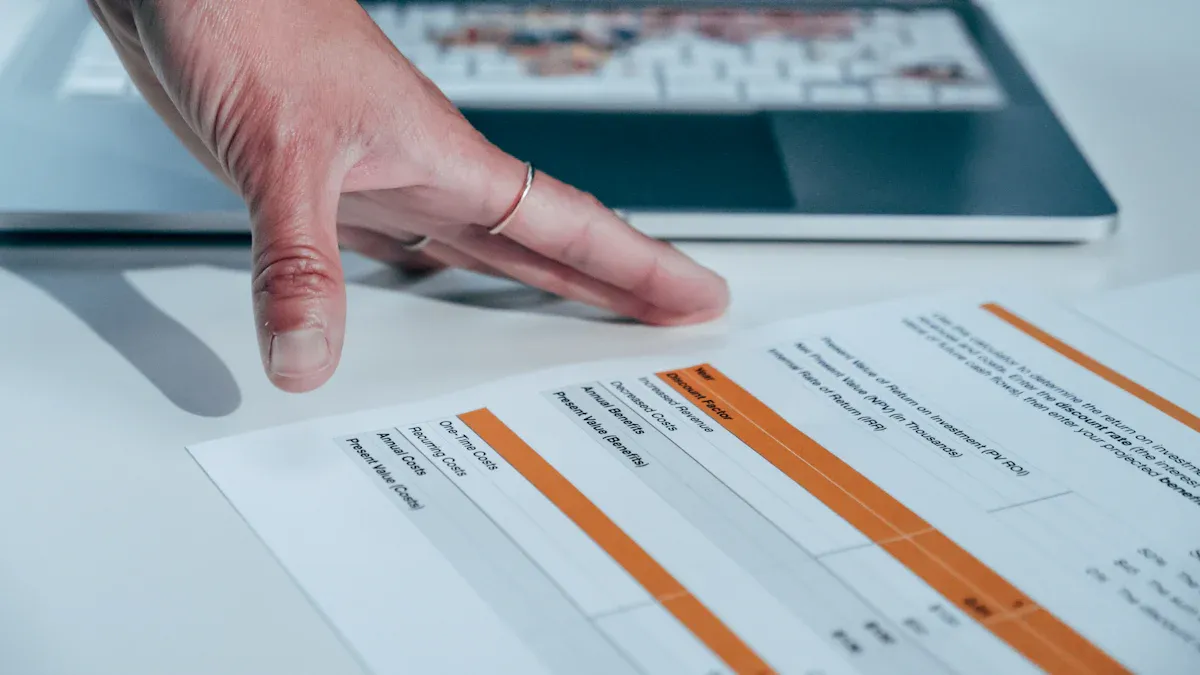
You can create a safer environment with proactive hazard identification. This approach is a cornerstone of retail safety best practices. The retail sector faces considerable risks, as recent workplace injury data shows:
| Category | Number of Non-Fatal Injuries |
|---|---|
| Retail Trade | 352,800 |
| Manufacturing | 334,500 |
| Transportation and Warehousing | 235,200 |
This compliance checklist helps you manage these risks through established best practices. Your compliance policies must address four key areas for full compliance: Material Safety, Electrical Safety, Structural Integrity, and Fire Safety. This checklist protects your staff, customers, and merchandise.
The Core Compliance Checklist

This core compliance checklist helps you evaluate the fundamental safety of your store fixtures. Proper compliance protects everyone. You can use this checklist to build a safer retail environment.
Material Safety and Durability
You must select display materials that are both safe and long-lasting. Manufacturers often follow key industry standards to ensure quality.
- ASTM (American Society for Testing and Materials)
- ISO (International Organization for Standardization)
An ISO 9001 certification shows a manufacturer's commitment to quality control. This dedication helps produce durable fixtures, ensuring long-term safety and compliance.
Structural Integrity and Load Bearing
Your fixtures must safely support the weight of your merchandise. Quality assurance teams certify products to meet specific load ratings. You are responsible for ensuring compliance with local building codes. This is especially important for shelving in high-risk seismic zones, which may need special certification. Your fixtures for heavy items and mobile devices must be stable.
Electrical Safety
Electrical compliance is critical in a 3C store. You handle many powered displays and charging stations for mobile devices. Your store's electrical systems must follow established regulations. The National Electrical Code (NEC) provides detailed guidelines for safe wiring, grounding, and equipment installation. Following these rules is essential for full compliance and preventing electrical hazards.
Fire Retardancy
The materials in your store must meet fire safety standards. This part of your compliance checklist addresses local fire code requirements. Materials are often rated using standards like ASTM E-84, which measures flame spread. Fire retardant treatments can degrade from UV exposure or cleaning. You should regularly inspect materials to ensure continued fire safety compliance.
Electrical Safety for Mobile Displays
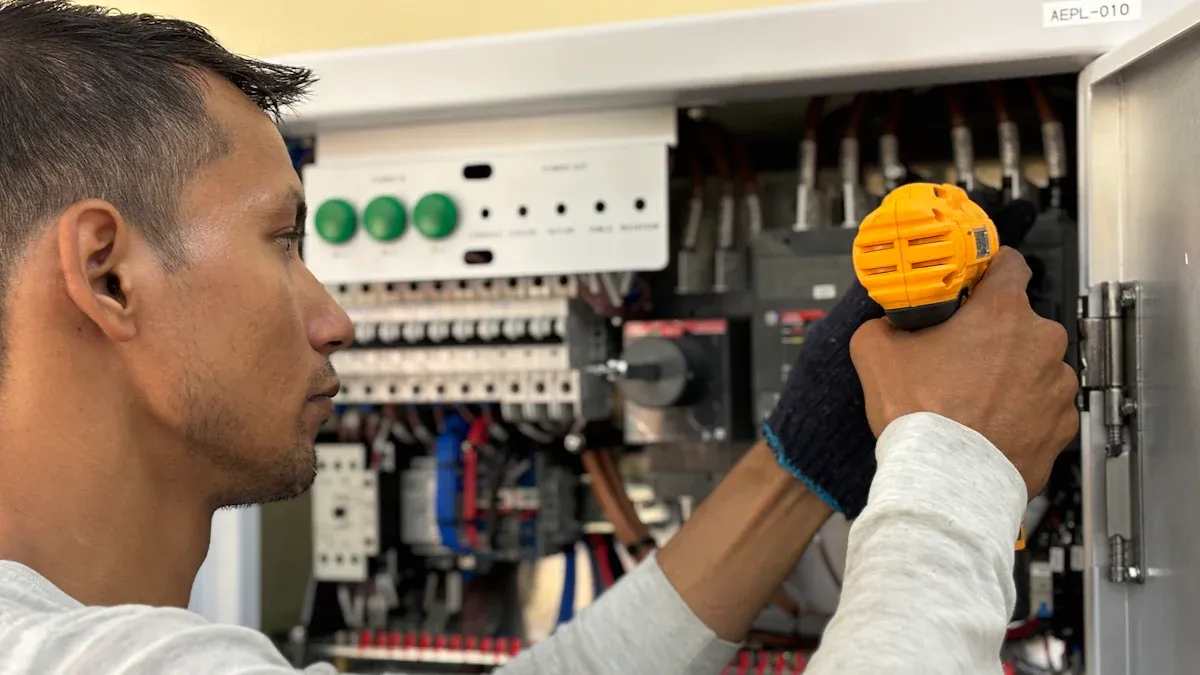
Your store is full of powered displays, integrated lighting, and customer-facing charging ports. These features create specific electrical risks. You must manage these hazards to ensure safety and maintain compliance. Proper electrical management protects your customers, staff, and property from harm.
Component Certification
You must verify that every electrical component in your displays has proper certification. This includes power strips, USB hubs, and LED drivers. Look for marks from Nationally Recognized Testing Laboratories (NRTLs). These organizations ensure products meet strict safety standards. Key certifications in North America include UL, ETL, and CSA.
From a certification standpoint, CSA, ETL, and UL are interchangeable. They all confirm compliance with the same safety standards. Your choice does not affect the product's safety level or its acceptance by regulatory authorities.
While UL has higher consumer awareness, all three marks guarantee an equal level of product security and are accepted across the U.S. and Canada. This is a critical part of your overall compliance strategy.
| Feature | UL | ETL | CSA |
|---|---|---|---|
| Product Safety Level | Equal | Equal | Equal |
| Acceptance in U.S. & Canada | 100% | 100% | 100% |
| Regulatory Approval | OSHA NRTL | OSHA NRTL | OSHA NRTL |
Safe Wire Management
Exposed or messy cables create serious trip hazards and increase the risks of electrical faults. You must implement a clear wire management plan. Use cable protectors or ties to bundle loose wires and keep them out of walkways. According to OSHA standards, you must protect flexible cords from accidental damage and support them properly to prevent strain. Securing cables neatly also improves your store's appearance and prevents potential legal issues from accidents. This is a simple yet vital step for device and store safety.
Heat Dissipation
Powered displays and charging stations generate significant heat. A single charging mobile device can get warm, but a dozen charging together can create a fire hazard without proper airflow. Ensure your fixtures have adequate ventilation. Do not block vents or place displays in tight, enclosed spaces where heat can build up. Proper heat dissipation is essential for safe and secure mobile use. Good mobile compliance management considers these thermal risks to prevent damage to the mobile device and ensure store safety. Your commitment to this level of compliance protects everyone.
Structural Integrity and Mobile Device Risks
You must ensure your display fixtures are physically stable and secure. This is a critical part of your store's safety compliance. Freestanding units, especially those displaying interactive mobile devices, present unique structural and security risks. Addressing these mobile device risks protects your customers, staff, and inventory.
Anti-Tip Stability
Tall or top-heavy displays can tip over and cause serious injury. Your compliance plan must include stability checks. Freestanding fixtures should meet established safety standards like ASTM F2057-23. These standards require units to pass rigorous tests.
For example, a key test simulates the weight of a 60-pound child climbing on an open drawer. The unit must remain stable even when placed on a block to mimic the tilt of a carpeted floor. This level of testing ensures your fixtures can withstand real-world interactions.
Shelf Weight Capacity
You must know and respect the weight capacity of every shelf. Overloading shelves can cause them to bend, warp, or collapse entirely. This creates immediate safety hazards and can lead to costly product damage. To calculate the required capacity for a mobile device display, you can use a simple formula:
(Number of devices × Average device weight) × 1.25 (Safety Margin) + Accessory Weight
Ignoring these limits introduces serious risks and can void your insurance claims in case of an accident. Proper weight management is a non-negotiable part of your safety compliance.
Managing Mobile Device Risks
Displaying a high volume of expensive mobile products introduces specific mobile device risks. You need a robust security strategy. Use physical anti-theft solutions to secure each device. These can include:
- Retractable steel cables with alarms
- Locking metal grippers
- Wireless stands that alarm if a device is moved too far
Beyond theft, you must also manage data risks. You need to safeguard data on demo units. A "bring your own device" policy for staff also requires clear rules to protect sensitive company data. Managing these mobile device risks is essential for complete compliance. A strong policy for any "bring your own device" program helps prevent data breaches.
Fire Safety Compliance
You must prioritize fire safety to protect your store, staff, and customers. A strong fire safety plan is a non-negotiable part of your overall compliance strategy. This involves using the right materials, ensuring access to equipment, and maintaining clear exit paths.
Material Fire Ratings
Your local fire codes dictate the types of materials you can use in your store fixtures. You must select materials that meet specific fire-test standards. For common materials like plastics and acrylics, look for an ASTM E84 classification. This standard test measures a material's surface burning characteristics, including flame spread and smoke density.
The ASTM E84 test is a 10-minute fire-test response method. It provides comparative measurements of how quickly flames spread across a material's surface. Using materials with a Class A or Class 1 rating ensures a higher level of fire safety compliance.
Access to Safety Equipment
Your fixtures and merchandise must never block access to life-saving equipment. Maintaining clear space around this equipment is a critical compliance task. You should perform regular checks to ensure these standards are met.
- Fire Extinguishers: Keep a 36-inch radius clear around each unit. Check this weekly.
- Fire Alarm Pull Stations: Ensure these are visible and unobstructed daily.
- Sprinkler Heads: Maintain an 18-inch clearance below all sprinkler heads. This prevents them from being blocked by tall displays or stacked merchandise.
Clear Egress Paths
In an emergency, every second counts. You must keep all emergency exit routes clear and unobstructed at all times. OSHA requires exit routes to have a minimum width of 28 inches, but your local code may require more. For areas serving 50 or more people, the minimum width increases to 44 inches. Your store layout must support this essential safety compliance. Make sure all exit signs are visible and that no decorations, equipment, or temporary displays block the path to an exit.
Your compliance checklist must cover Material Safety, Electrical Safety, Structural Integrity, and Fire Safety. This checklist is the foundation of a best practices-based policy. Strong policies reduce liability and require consistent training and policy enforcement. Use this compliance checklist to manage mobile device risks and maintain compliance.
Now, conduct a walkthrough. Your regular training on emergency procedures and equipment safety is key. This proactive approach to compliance protects your mobile assets and ensures a safe operation. Following these best practices helps you build effective safety policies.
FAQ
What is the first step I should take?
You should use this checklist to conduct a thorough store walkthrough. Identify immediate hazards first. Document your findings to create an action plan for mitigation. This proactive step establishes your safety baseline and protects your business.
Is UL certification better than ETL or CSA?
No. All three certifications confirm a product meets the same safety standards. Regulatory bodies in the U.S. and Canada accept them equally. Your choice does not impact the product's safety level or its compliance status.
How often should I perform these compliance checks?
You should perform daily checks for clear egress paths and visible safety equipment. Conduct weekly inspections for wire management and extinguisher access. Schedule monthly or quarterly reviews for structural integrity and material condition.
Pro Tip 💡: Create a digital log to track your inspections. This simplifies record-keeping and demonstrates your commitment to safety compliance.
How do I secure mobile devices without frustrating customers?
You can balance security and experience with modern solutions. Use alarmed retractable tethers or wireless security stands. These systems secure the device while allowing customers to handle it freely within a set range, ensuring a positive interaction.